
Marvel Entertainment is embarking on a nostalgia-driven marketing campaign for its upcoming crossover film, “Avengers: Doomsday,” set to hit theaters on December 18. This strategy mirrors the techniques used during the early days of the Marvel Cinematic Universe (MCU), with a modern twist that seeks to rekindle excitement among fans.
The MCU has a rich history of incorporating post-credits scenes to link individual stories and characters, a tactic first showcased in “Thor,” which hinted at his return in “The Avengers.” Now, over a decade later, Marvel is leveraging this familiar concept to create anticipation for its latest blockbuster. The studio has been rolling out teasers on a weekly basis since last December, with each new installment unveiling beloved characters making their comeback, ranging from those who had previously been thought deceased to newcomers yet to make an official appearance in the franchise.
While this method appears to successfully stoke excitement online, it reflects a sense of urgency on Marvel’s part as they aim to regenerate interest during a phase that has experienced uneven success. In contrast to the cohesive storytelling that characterized the Infinity Saga, the current Multiverse Saga has been perceived as disjointed, lacking the same impactful crossovers that once captivated audiences. This shift has prompted Marvel to revisit classic characters, betting on nostalgia to revive lost momentum.
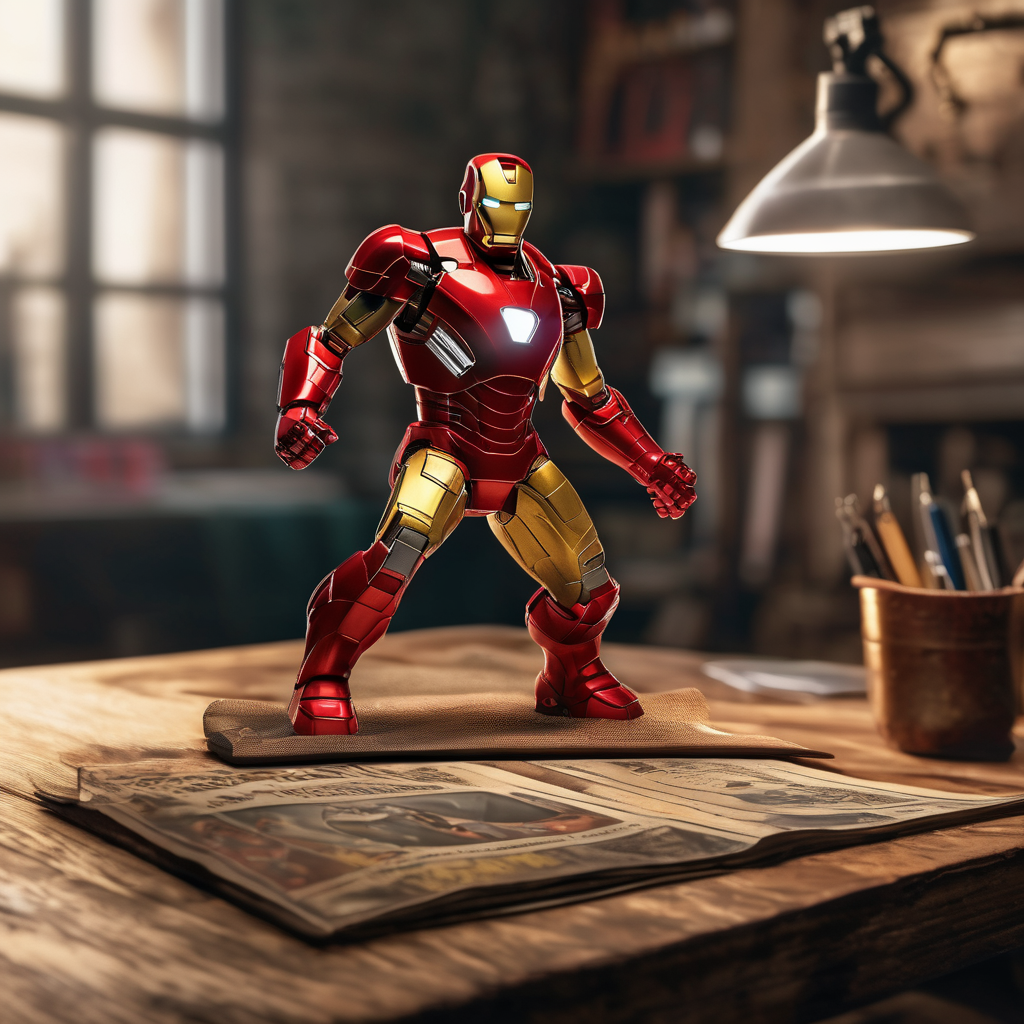
Key players from past successes are being brought back, including Robert Downey Jr., who is set to reprise his role as Iron Man after the troubled unraveling of the initial plans featuring Jonathan Majors as the primary antagonist. The Russo brothers, known for their work on “Infinity War” and “Endgame,” have been reengaged to direct “Doomsday” and its anticipated sequel “Secret Wars,” signaling a return to familiar talent that fans associate with some of the franchise’s most successful entries.
Notably, Chris Evans is also returning as Steve Rogers, an unexpected twist that raises questions about character continuity following the conclusion presented in “Endgame.” The film’s marketing has already displayed a blend of nostalgia and fresh narratives, merging old icons with new roles, as shown in the imagery of Thor grappling with newfound responsibilities as a father.
This approach also extends to the inclusion of the iconic X-Men, now finally integrated into the MCU following Disney’s acquisition of 21st Century Fox. Teasers featuring familiar figures like Professor X and Cyclops nod to the depths of comic lore and forge connections across different characters and story arcs.
Despite the reliance on familiar faces and storylines, Marvel’s marketing strategy appears carefully crafted to engage audiences through character-driven narratives, sidestepping the complicated plot lines that have marked the recent past. As the franchise gears up for “Doomsday,” these teasers serve not only as a promotional tool but as implied narratives designed to stir memories and re-establish connections to characters that fans have cherished throughout the years.
As Marvel approaches the release of “Doomsday,” its emphasis on beloved characters has sparked anticipation, potentially setting the stage for a triumphant return to form. Marvel seems poised to blend old and new, creating opportunities for rich storytelling that could unify the fractured phases into a cohesive cinematic experience once more. The countdown clock for the film’s release serves as a reminder of the excitement awaiting fans, who are eager to see if this marketing strategy will revive the magic of the MCU.