
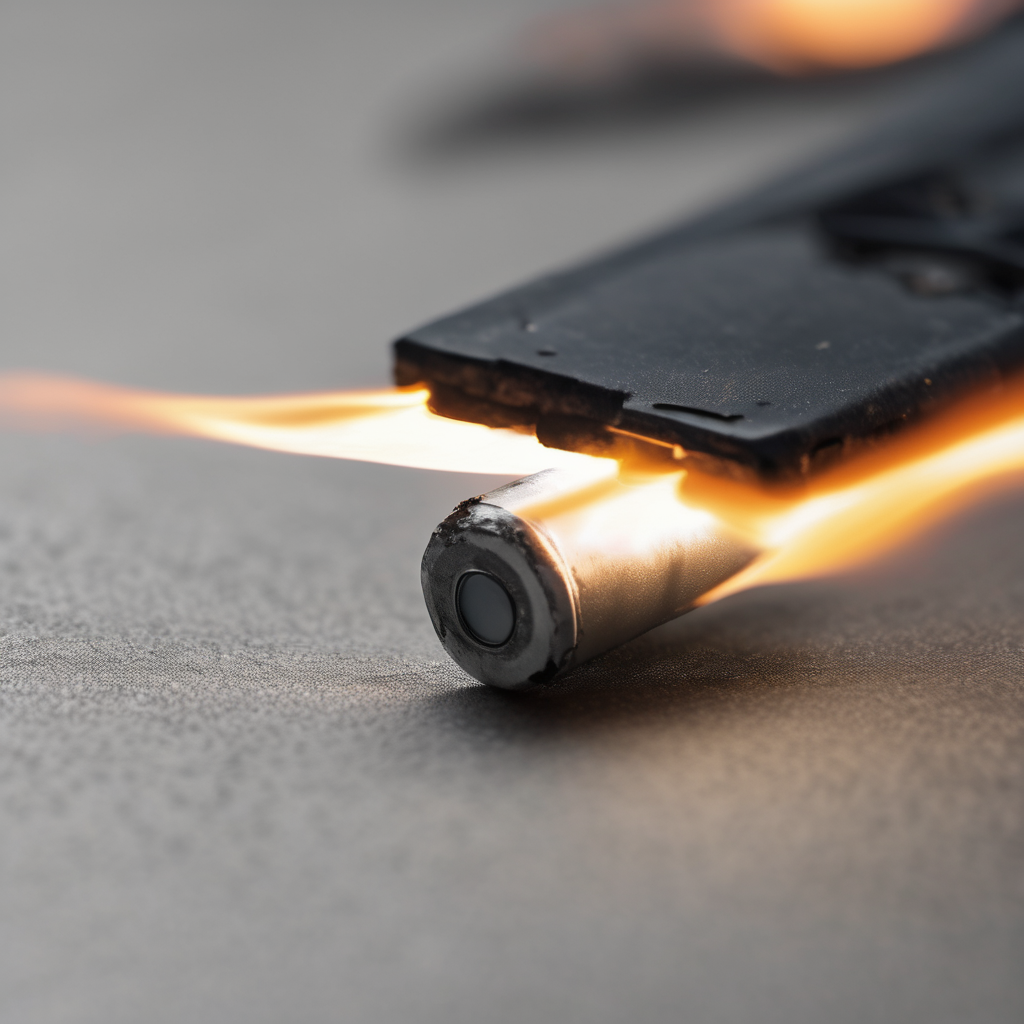
Passengers carrying lithium-ion batteries can significantly increase fire risks during flights, as highlighted by Fiji Airways senior flight captain Josua Cavalevu during a consultation with the proposed Civil Aviation Bill 2026 committee in Nadi. Cavalevu expressed that one of his biggest concerns as a pilot is the potential for a fire to erupt in the cargo compartment, especially with regard to lithium-ion batteries and portable charging devices.
Cavalevu emphasized the need for enhanced regulations to mitigate this risk, stating, “We are taking a lot of action within the airline to try and stamp out the carriage of these things.” In practice, Fiji Airways has implemented measures such as transporting bags from the cabin to the cargo area when their aircraft is full, effectively keeping lithium-ion batteries in the cabin where they can be monitored more closely.
He further explained that the fire suppression systems on aircraft are ineffective against lithium-ion battery fires, which heightens the urgency for regulatory change. Cavalevu urged the committee to consider strengthening regulations surrounding dangerous goods, suggesting that improved screening processes similar to those in New Zealand, which allow for confiscation of prohibited items, be adopted in Fiji.
He shared a personal experience, recalling a flight where he opted to have a lithium-ion battery off-loaded to prevent any risk, reinforcing the importance of having appropriate regulations to enhance passenger safety.
In response, Rigamoto Aisake, acting CEO of the Civil Aviation Authority of Fiji (CAAF), affirmed that there are existing requirements for screening passengers before boarding. This includes a series of questions aimed at verifying what each passenger is carrying. He assured that the first line of defense involves these screenings to detect any dangerous goods.
As flight safety continues to be a priority, collaboration between airline operators and regulatory authorities will be key in addressing the challenges posed by lithium-ion batteries in air travel. This proactive approach could pave the way for enhanced safety measures, ensuring that the sky remains safe for all passengers.