
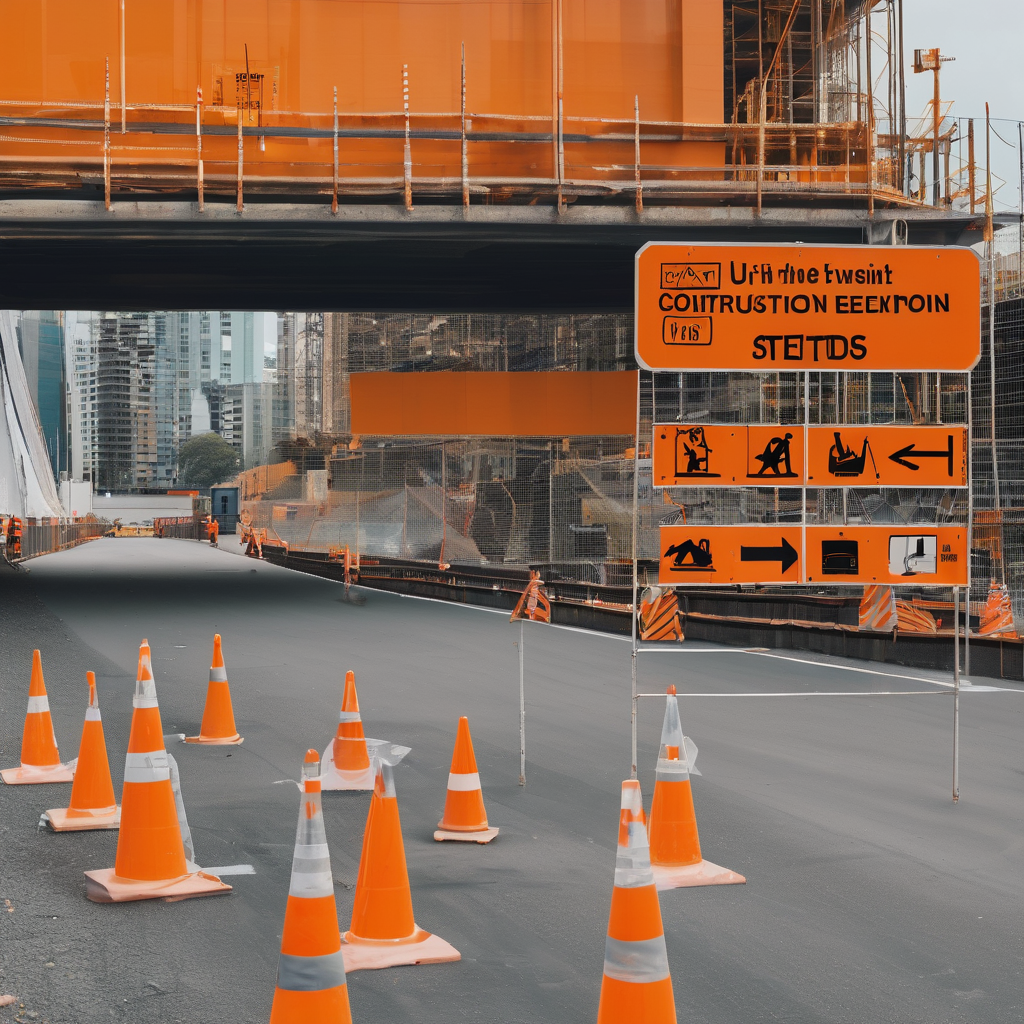
The Labasa Bridge is poised for significant construction work expected to last between two to three years, as announced by Jacqueline Hughes, the managing director of PLANIT Pacific Ltd. During a public consultation at the Labasa Civic Centre, Hughes detailed the Fiji Roads Authority’s (FRA) resolve to methodically evaluate construction methods. The overarching aim of the project is to ensure efficient execution while minimizing potential environmental and social impacts.
Hughes emphasized that the construction methodology will play a crucial role in determining the contractor selected for the project. She indicated that the process would involve implementing protective measures for the environment and ensuring support for local communities during the construction phase.
Recognizing the project’s magnitude, Hughes called for patience among stakeholders, stating, “This is not a six-month project. The construction phase will take at least two to three years, depending on weather conditions.” The relocation of utilities may result in temporary service disruptions, which utility providers will need to consider in their planning processes.
To address concerns raised by residents, Hughes confirmed that access to rivers and riverside areas would remain whenever possible, with temporary waterway access included in the construction strategy. Additionally, she introduced a formal grievance mechanism designed for residents impacted by the construction work. This process will allow for complaints to be submitted, with initial reviews expected within two weeks, followed by resolution outcomes communicated in another two weeks. Should issues remain unresolved, a second review will take place over four weeks.
This bridge upgrade forms part of a larger nationwide initiative targeting the enhancement of 40 critical bridges and three maritime structures throughout Fiji. This commitment underscores the government’s dedication to improving infrastructure across the region, showcasing an optimistic outlook on development and progress while engaging with the community for a smoother transition during the construction period.