
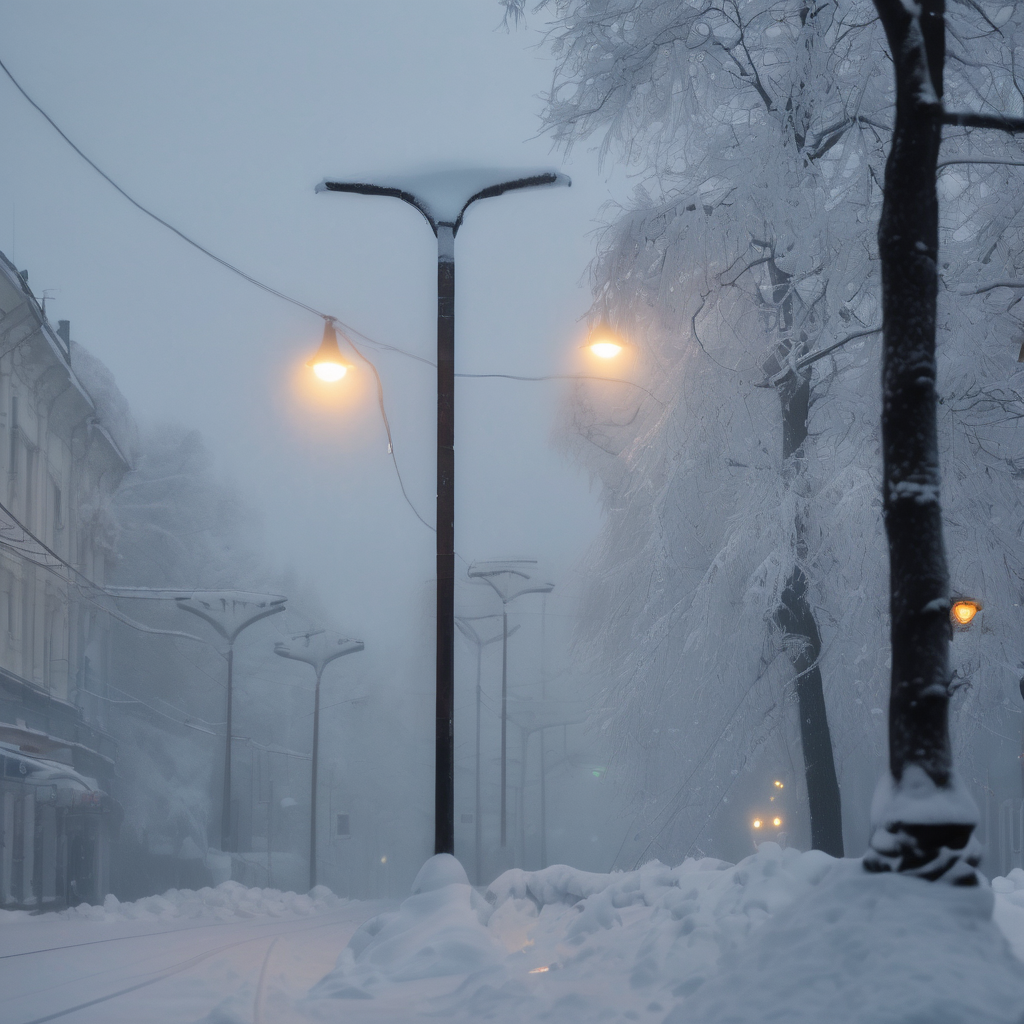
Kyiv is experiencing one of its harshest winters in 20 years, with temperatures plummeting as low as -19 degrees Celsius (-2.2 degrees Fahrenheit). The residents are facing significant challenges following a massive Russian attack on Ukraine’s energy infrastructure on January 8, which left hundreds of thousands without power. In the capital, Kyiv, Kateryna Skurydina relies on thermal wear and her cat, Pushok, to keep warm in her apartment, where heating has been largely absent.
Skurydina has adapted to these difficult conditions, utilizing multiple power banks, USB-powered candles, and camping lanterns to survive the ongoing power outages. With indoor temperatures dropping to a chilling 10 degrees Celsius (50 degrees Fahrenheit), well below the World Health Organization’s recommended minimum for health, she has found solace in exercise and community support to uplift her spirits during the blackouts.
Ukrainian President Volodymyr Zelensky has declared a state of emergency in the energy sector, acknowledging the dire consequences of the Russian strikes coinciding with freezing temperatures. While Kyiv has been the hardest hit, similar power outages have occurred across the nation, with emergency services working to restore heat to thousands of affected buildings. Ten days after the initial attack, the number of multi-story buildings without heating decreased from 6,000 to 300, but challenges remain as extreme cold persists.
The situation has forced many schools, shops, and cafes to close their doors, leaving residents in need of warmth and light. Authorities have opened “invincibility points,” where citizens can gather to charge devices and stay warm, and social media has become a platform for residents to offer support to one another during these trying times. Locals are coming together to cook meals over bonfires, fostering a sense of community despite the cold.
Despite the dire circumstances, stories of resilience are emerging as Ukrainians adapt to the challenges of winter amidst ongoing conflict. Entrepreneurs like Serhiy Salata, who runs an indoor farming business, are finding ways to innovate in the face of constant power cuts, using solar panels and generators to sustain their crops.
As she navigates her chilling environment, Skurydina reflects on the resilience of the Ukrainian people. “I think we will be a very resilient nation,” she states, drawing strength from past trials and preparing for potential future difficulties. Such determination and community spirit are proving vital as the nation endures yet another harsh season marked by potential challenges ahead.