
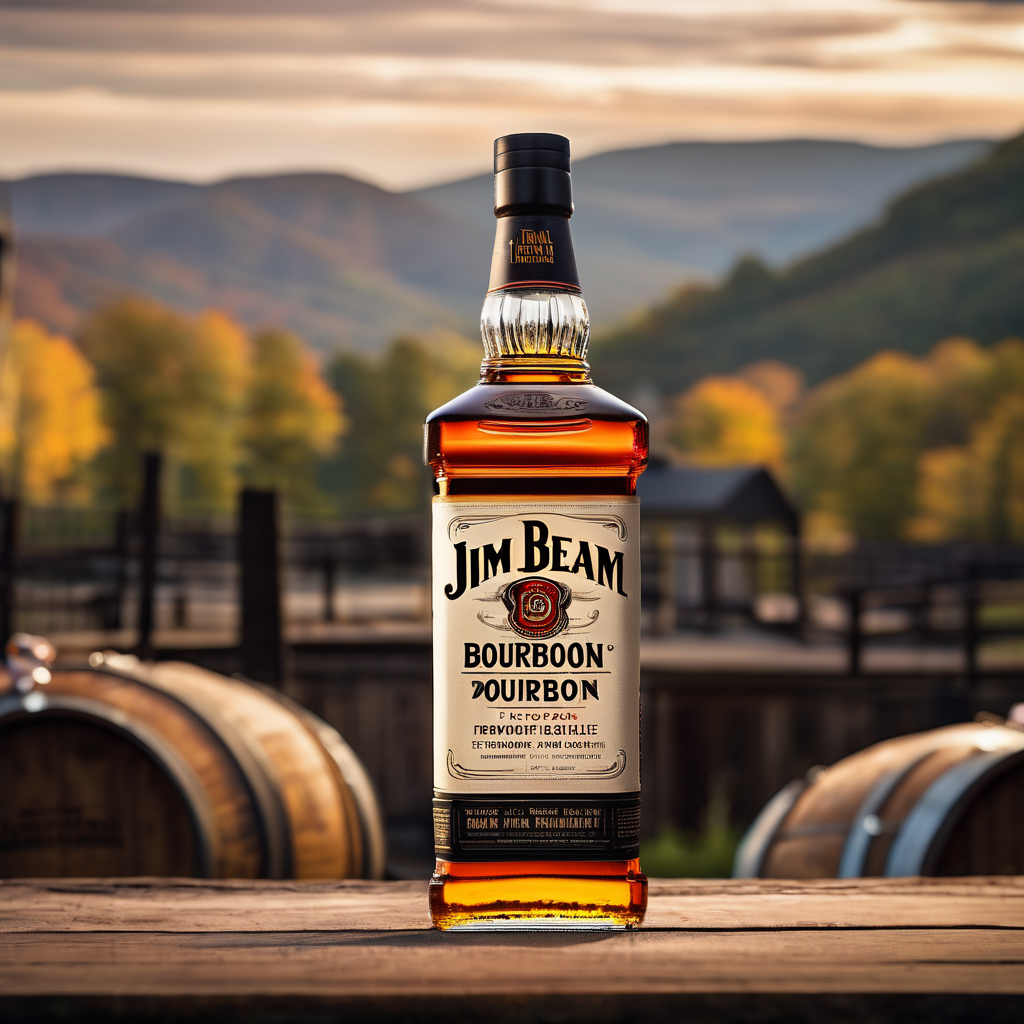
Jim Beam, a leading producer of American whiskey, has announced a temporary cessation of bourbon production at its Clermont distillery in Kentucky, set to take effect on January 1, 2026. This decision arrives in the context of various challenges facing the U.S. liquor industry, notably President Donald Trump’s ongoing trade war with Canada, which has significantly impacted liquor sales, as many Canadians have opted to boycott American products.
The bourbon sector in Kentucky, valued at approximately $9 billion, is currently grappling with an oversupply of whiskey amid declining consumer demand. As fewer young adults choose to drink, the industry finds itself needing to align production levels with market realities. Jim Beam, which is part of Suntory Global Spirits, is assessing its workforce during this transition and has initiated discussions with union representatives regarding the implications of this production pause.
In a recent statement, the company emphasized its commitment to adaptation and innovation, mentioning that distillation would continue at its smaller craft distillery in Clermont and its Booker Noe distillery in Boston. The company plans to invest in enhancements at the James B. Beam distilling campus during the production halt, highlighting its focus on improving operations for the future.
The situation is compounded by trade tensions following the imposition of tariffs, which have led to an extraordinary 85 percent drop in U.S. spirits exports, with figures falling below $10 million for the second quarter of 2025. The Distilled Spirits Council has voiced concerns that these persistent trade issues threaten the reputation and reach of American spirits in international markets.
Additionally, changes in consumer behaviors are influencing sales. A recent Gallup poll indicated a significant shift in attitudes towards drinking, with 53 percent of American adults now considering moderate drinking detrimental to health—a marked increase from just 28 percent in 2015. This shift is particularly pronounced among younger adults, who are increasingly skeptical about the perceived benefits of alcohol.
Despite these hurdles, there is hope that ongoing discussions between the U.S. and Canada may pave the way for more favorable trade conditions, which could revitalize the spirits market. Canadian Prime Minister Mark Carney has indicated that formal discussions to review trade agreements will commence in mid-January, creating a potential path toward resolving trade barriers that have adversely affected American bourbons and liquors.
The combined efforts of producers like Jim Beam, alongside potential trade negotiations, suggest a proactive approach to overcoming the current challenges facing the whiskey industry, and they underline a commitment to maintaining quality and consumer trust in American spirits.