
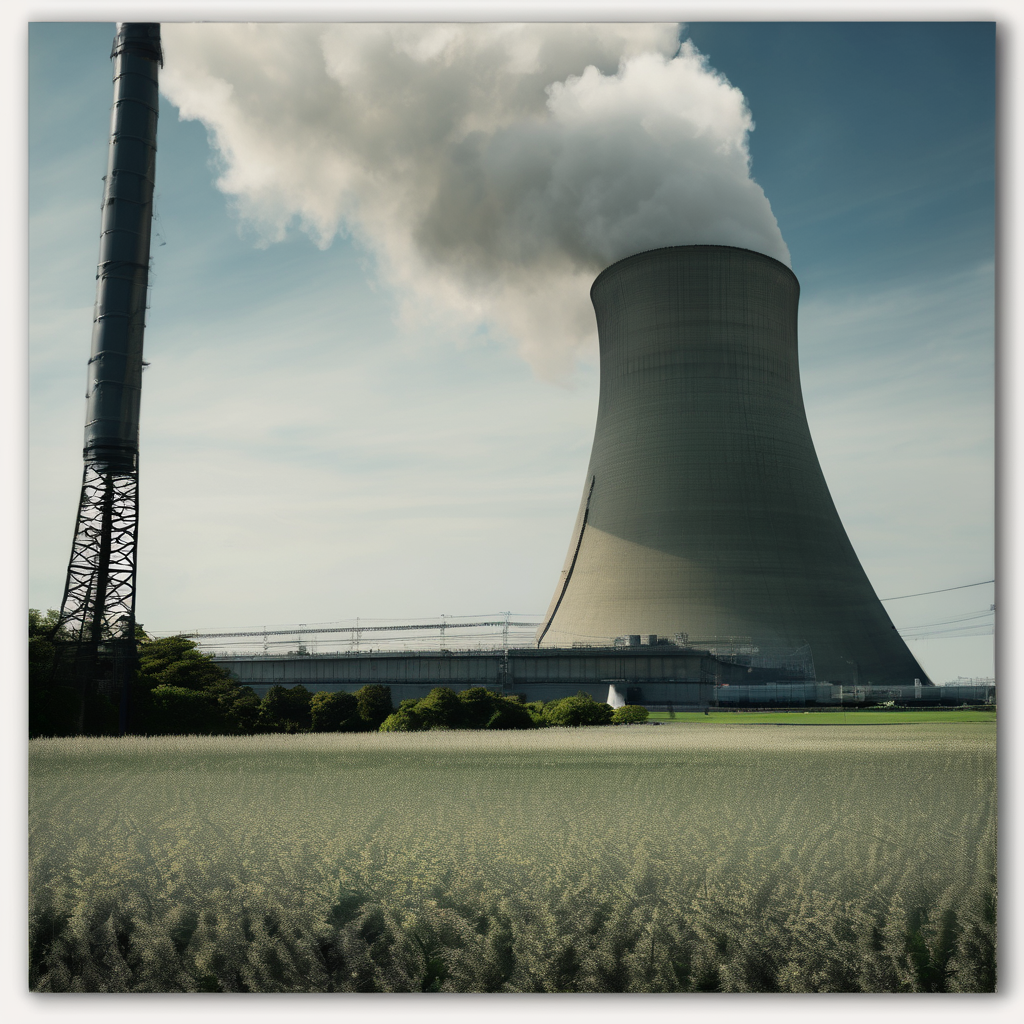
The Kashiwazaki-Kariwa nuclear power plant, the largest of its kind globally, has been restarted for the first time since the catastrophic 2011 Fukushima disaster. Tokyo Electric Power Company (TEPCO) validated the restart, stating that the plant was brought online at 19:02 local time. The regional governor granted permission for the resumption last month, although the decision has generated a significant divide in public opinion, with approximately 60% of local residents opposing the restart.
Demonstrators, taking to the cold ground near the plant’s entrance, expressed their concerns. One protester, Yumiko Abe, 73, highlighted the disconnect between the energy produced for Tokyo and the risks faced by local residents. A survey from September revealed that only 37% of residents supported the restart, underscoring the apprehension surrounding nuclear energy in the wake of previous disasters.
TEPCO has assured the public that it will meticulously verify the integrity of each facility before proceeding, addressing any potential issues transparently. While the plant consists of seven reactors, only one has been restarted, with the facility itself remaining offline since Japan halted nuclear energy following the disastrous earthquake and tsunami that triggered meltdowns at the Fukushima plant.
Japan’s renewed interest in nuclear energy stems from a need to decrease reliance on fossil fuels and achieve targets for carbon neutrality by 2050, particularly amid growing energy demands due to advancements in artificial intelligence. Prime Minister Sanae Takaichi is among those advocating for nuclear energy as a potential solution.
Since the post-Fukushima shutdown, 14 reactors across the country have resumed operations under stringent safety regulations, with 13 currently active. Kashiwazaki-Kariwa is the first TEPCO-operated nuclear unit to restart since the 2011 disaster. However, concerns persist about the adequacy of evacuation plans and the risk of serious accidents, compounded by the facility’s location on an active seismic fault zone.
Protests against the restart have been vociferous, with nearly 40,000 signatures submitted in a petition stressing the plant’s vulnerability to earthquakes. Opponents argue that prioritizing electricity production for other areas, such as Tokyo, does not justify the risks posed to local inhabitants.
TEPCO has faced scrutiny recently due to various incidents, including an alarm system failure during testing and past scandals involving data falsification regarding seismic risks. The president of TEPCO, Tomoaki Kobayakawa, emphasized the need for caution and vigilance in the nuclear sector.
As Japan navigates its energy challenges, approximately 70% of its electricity came from fossil fuels in 2023, a figure the government aims to reduce to 30-40% over the next 15 years. Nuclear power’s role in this transition is expected to increase, with plans indicating that it will contribute about 20% of the energy supply by 2040, up from around 8.5% in the current fiscal year. The path ahead remains complex, particularly as Japan concurrently undertakes the lengthy decommissioning of the Fukushima plant.