
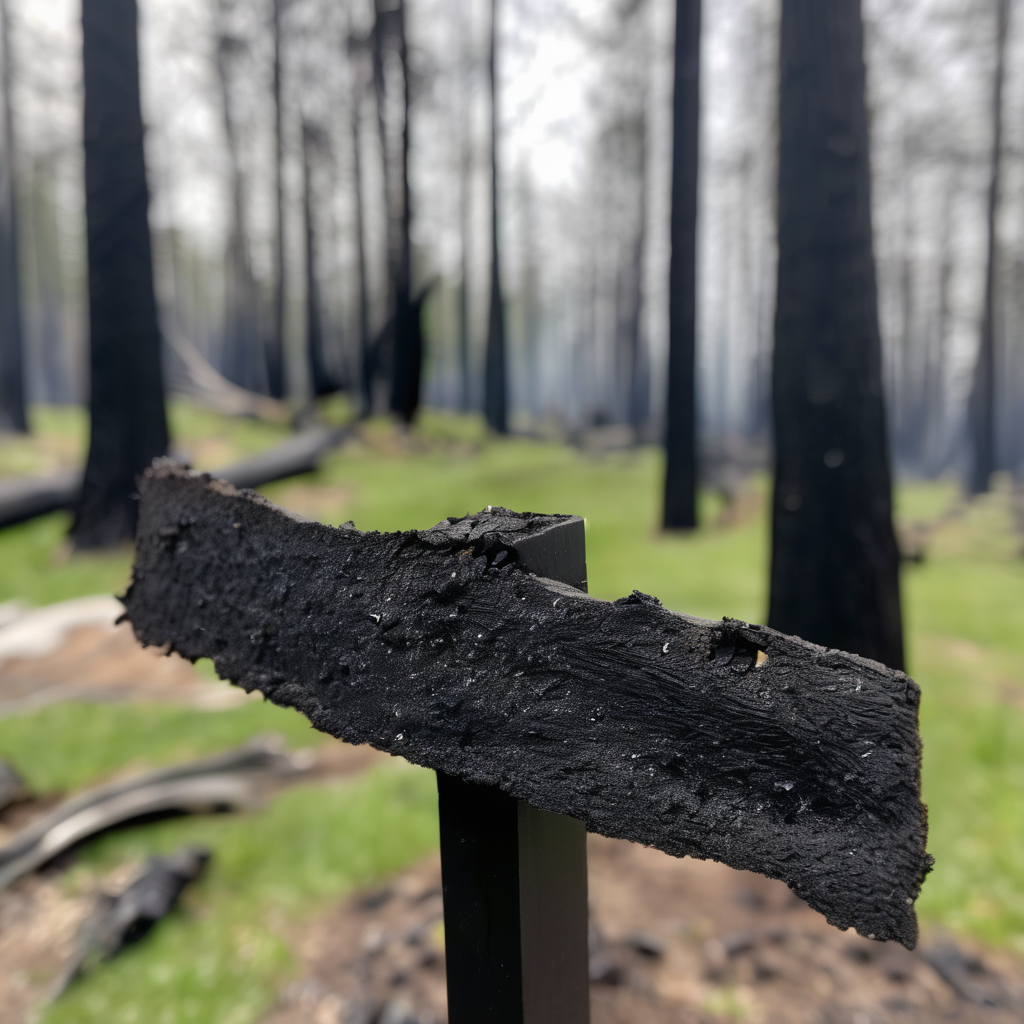
The hit series “It: Welcome to Derry” delves deep into the darker facets of Derry, Maine’s history, particularly through the lens of a tragic event—racist arson that led to the destruction of the Black Spot, a significant speakeasy. This brutal episode is highlighted in the penultimate episode of the first season, crafted by showrunners Jason Fuchs and Brad Caleb Kane, who methodically build a narrative culminating in this moment of horror.
In the original 1986 novel by Stephen King, much of the pertinent backstory comes from Mike Hanlon, the only Black member of the Losers Club, who ultimately faces off against the demonic entity known as Pennywise. The show reveals this history through Will, a child who has just moved to Derry, whose father recounts the story of the fire at the Black Spot on his deathbed. The narrative takes a horrifying turn when a local mob, fueled by racial hatred, ignites the establishment in their pursuit of an innocent Black man.
The show’s co-stars, Chris Chalk and Stephen Rider, emphasized their recognition of the inherent racism present in King’s earlier works. Rider plays Hank Grogan, the local projectionist wrongfully accused of child murders, while Chalk embodies the iconic yet contentious character of Dick Hallorann. The actors expressed a desire for racism to be forefront in their portrayals, although they faced the reality that the series takes a nuanced approach in manifesting these themes—a choice that prompted Chalk to ponder the absence of explicit racist language in the scripts.
The first season of “Welcome to Derry” has elicited varied reactions from dedicated King fans, especially those who view Pennywise as the main attraction. Nevertheless, the showrunners have successfully presented Derry as a town whose outward charm conceals an insidious underbelly of fear and intolerance. This restraint in depicting overt racism enriches the show, allowing the subtle, corrosive presence of racism to gradually permeate the narrative.
Chalk’s performance offers a layered interpretation of Dick Hallorann, steering away from the victimhood often imposed on Black characters in horror narratives. Instead of serving solely as a mentor to the protagonist, Dick is portrayed as a man grappling with his own traumas and searching for joy amidst the sociopolitical challenges of being a Black man in 1962.
The series also highlights the historical significance of the Black Spot, which was built by Black servicemen as a sanctuary away from the racism permeating the local bars. This safe haven is obliterated in the devastating fire set by a lynch mob, resulting in the tragic loss of 23 lives. The episode underlines the corrosive impact of racism, encapsulated in moments that reveal how deeply the town’s intolerance runs.
The tension escalates as the show explores the dynamics between the military and the Black characters, particularly surrounding themes of authority and respect. A pivotal scene captures the moment when Leroy, an Air Force major, confronts a white subordinate refusing to acknowledge his rank, illuminating the pervasive racial injustices of the time.
As the season progresses, the series deftly presents the systemic issues in Derry while also allowing its characters to reflect on their roles within this oppressive framework. The narrative reaches a pivotal climax as it illustrates that the true monstrosity lies not only in Pennywise but within the very fabric of Derry’s society.
The finale of “It: Welcome to Derry” is a compelling exploration of the interwoven nature of fear, racism, and societal complicity. Through its nuanced storytelling, the show fosters appreciation for a complex legacy while prompting viewers to confront uncomfortable truths about the human condition.
The final episode is set to air Sunday at 9 p.m. on HBO and will be available for streaming on HBO Max, leaving audiences to grapple with the series’ haunting themes long after the credits roll.