
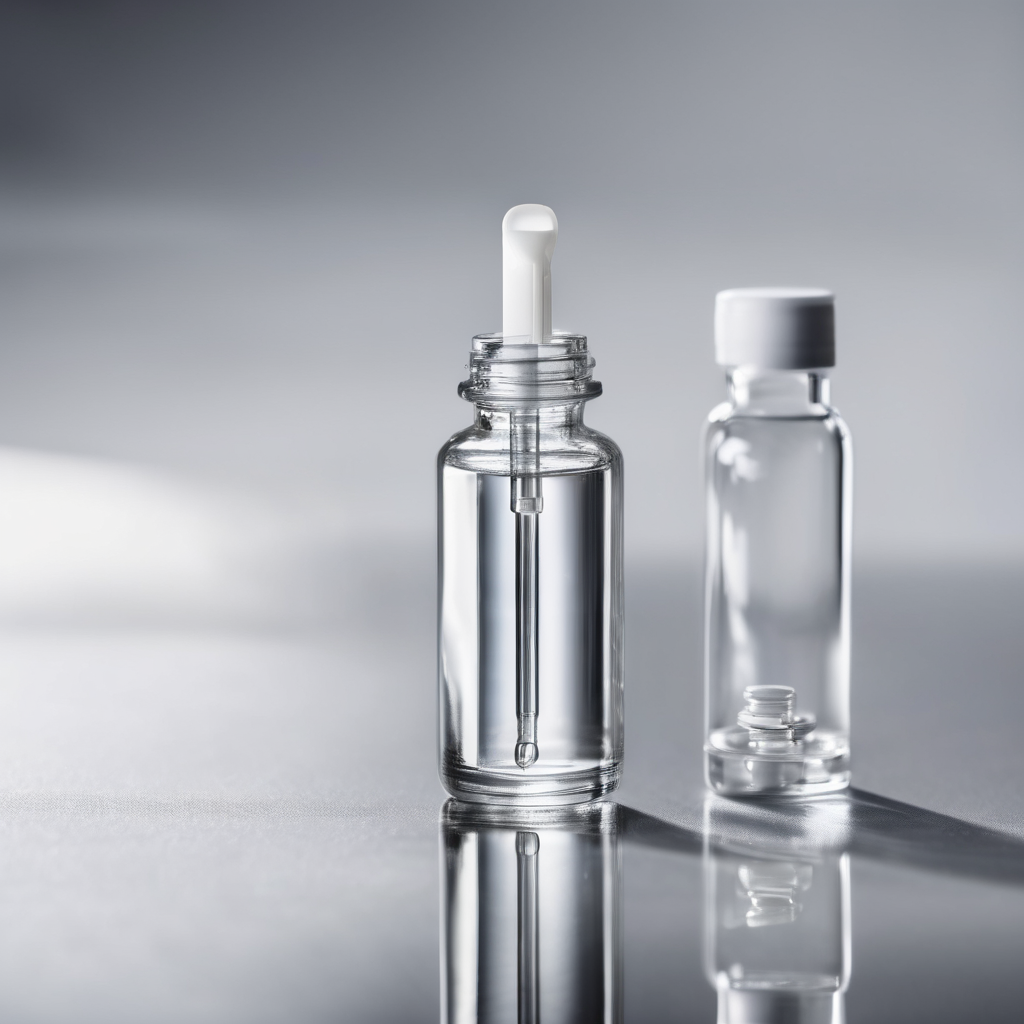
The global Hyaluronic Acid Products Market is on pace to reach an impressive $19.14 billion by 2033, propelled by a robust compound annual growth rate (CAGR) of 7.23%. This growth is primarily driven by the expanding applications of hyaluronic acid in aesthetics, orthopedics, ophthalmology, dermatology, and nutraceuticals. Recognized for its exceptional moisture-retention capacity, biocompatibility, and viscoelastic properties, hyaluronic acid is becoming increasingly crucial in the development of medical devices, injectable dermal fillers, skincare formulations, and joint health products.
The evolving intersection of preventive healthcare, appearance-focused lifestyles, and an aging population underscores the strategic importance of hyaluronic acid within both consumer and medical health sectors. Consumers and patients alike are seeking non-invasive treatments that improve quality of life and enhance patient outcomes, fostering increased demand for hyaluronic acid products across both established and emerging markets.
Recent trends indicate a significant shift towards minimally invasive aesthetic procedures, with hyaluronic acid-based dermal fillers gaining popularity due to their safety, reversibility, and natural-looking results. Increased awareness through social media, alongside wider access to aesthetic treatments, has further driven demand for these products among diverse age groups and regions. Concurrently, the medical sector has seen steady growth, with hyaluronic acid increasingly employed in viscosupplementation for osteoarthritis, as well as in ophthalmic solutions addressing dry eye conditions and surgical applications that require lubrication and tissue protection.
Technological advancements are also enhancing the efficacy of hyaluronic acid products. Modern methodologies focus on microbial fermentation for production, leading to higher purity, improved batch consistency, and scalability. Customization of molecular weight adds another layer of sophistication, tailoring products for specific applications such as deep tissue fillers or controlled-release medical devices. Additionally, innovations in smart packaging ensure that products remain sterile and user-friendly.
Despite these advancements, sustainability challenges persist within the Hyaluronic Acid Products Market. The industry faces scrutiny regarding sourcing methods, with a notable shift from animal-derived products to bio-fermentation pathways that promise more sustainable and reliable options. However, concerns about environmental impact from energy use in production and single-use packaging remain relevant. To address these issues, manufacturers are increasingly focusing on reducing energy consumption, optimizing processes, and exploring recyclable packaging solutions.
An analysis of the competitive landscape reveals a dynamic market driven by pharmaceutical companies, medical device manufacturers, and biotechnology firms. North America and Europe continue to dominate due to established regulations and high procedure volumes, while the Asia Pacific region is emerging as a notable growth area, aided by rising healthcare spending and an increase in aesthetic treatments.
Looking forward, the future of the Hyaluronic Acid Products Market appears promising. Demographic trends, ongoing healthcare innovations, and rising consumer awareness will likely sustain demand, particularly in joint health therapies and aesthetic treatments. As regulatory frameworks and clinical practices evolve, the prospects for hyaluronic acid interventions are expected to broaden significantly. Innovations involving combination therapies and personalized care solutions further position this market for expansive growth, making hyaluronic acid a cornerstone of future healthcare strategies.
With its dual focus on functionality and aesthetic appeal, the Hyaluronic Acid Products Market is set to thrive, reflecting broader trends in biotechnology and wellness and highlighting its critical role in enhancing the quality of life.