
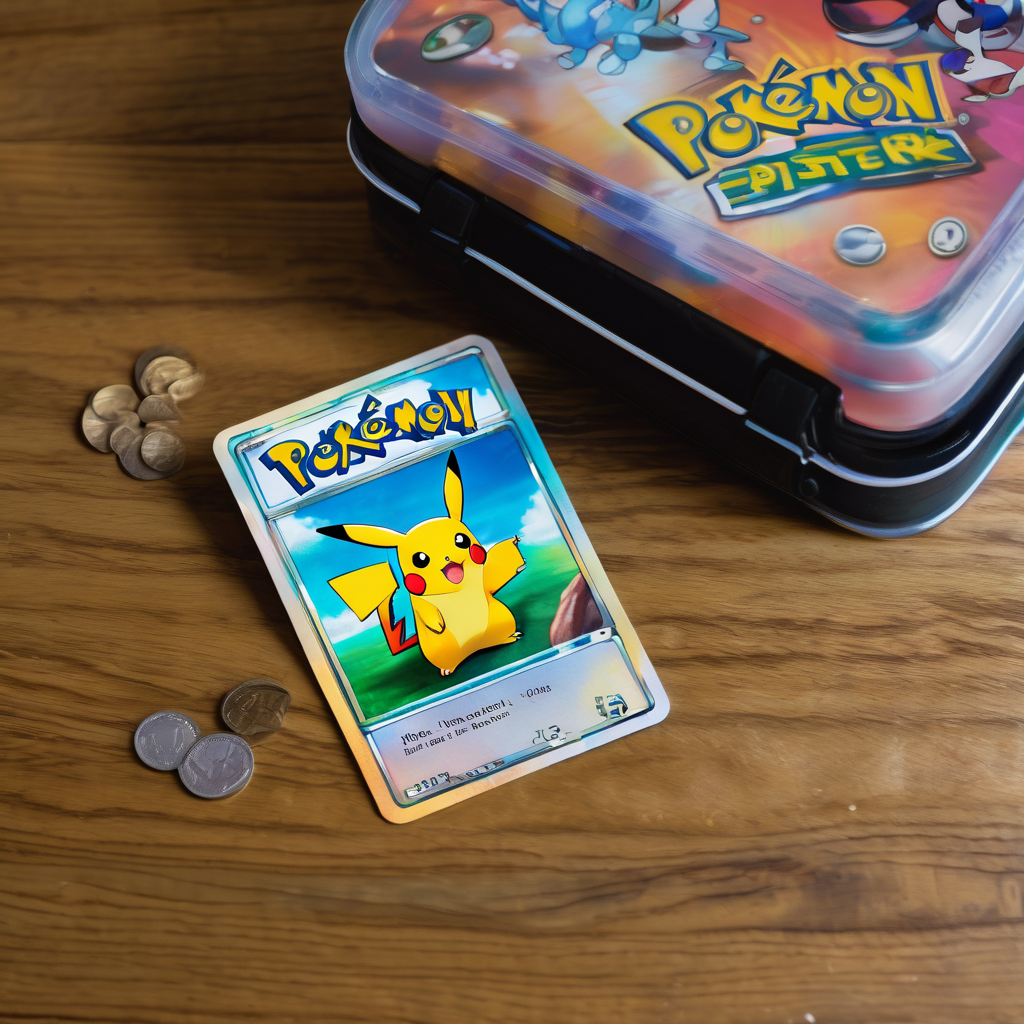
In a rapid exchange of tiny hands, a schoolyard deal unfolds during a tense one-hour lunch break, breaking the deadlock of an illicit trade among children. As one young trader hastily hides his newfound treasure under a sandwich in his lunchbox, another slips his prize into the pocket of his shorts. To his teachers, it may appear as nothing more than a sparkly piece of cardboard, but for this spirited eight-year-old, it represents the fire-spitting Charizard he has eagerly sought since the start of term.
Fast forward over two decades, and that cherished card now rests beside a keyboard, reflecting on a surprising twist: had better care been taken, this now well-loved Charizard could potentially be worth nearly $25,000. Sad to say, its battle scars have diminished its value.
Trading cards have become fundamental to the Pokémon franchise, which has skyrocketed to become the world’s highest-grossing media franchise. As it marks its 30th anniversary, Pokémon cards continue to excite collectors of all ages. With their values soaring, the market is attracting speculators eager to cash in. Notably, influencer Logan Paul set a record recently by selling a single card for $16.5 million, exemplifying the staggering financial potential within this realm.
Since their inception, Pokémon has evolved tremendously from the imaginative mind of Japanese game designer Satoshi Tajiri, who drew inspiration from his childhood fascination with collecting bugs. The franchise took off globally within three years, following the release of the video game “Pocket Monsters” and seizing the imagination of children through a popular anime series and trading card game, with the first US card set debuting in 1999.
Despite periods of fluctuating interest and competition from other franchises, such as Digimon and Magic: The Gathering, Pokémon surged back into the spotlight with the 2016 launch of the mobile game Pokémon Go. Its unprecedented success saw 500 million downloads within two months, transcending age boundaries and reigniting the passion for Pokémon in adults and children alike.
However, the Pokémon card craze witnessed an unexpected resurgence amid the COVID-19 pandemic, as lockdowns spurred renewed interest in collectibles. The market has since seen an eye-watering 145% increase, with collectors spending $450 million on cards just this January. The Pokémon Card Index from Card Ladder indicates that the value of the most sought-after cards has surged by an astonishing 6,208% since May 2004, outpacing even the robust S&P 500.
As nostalgia plays a significant role in this phenomenon, for many younger collectors, the shift from traditional investments to childhood pastimes filled with memories has captivated their attention. The release of new card sets, particularly those drawing from the original Pokémon roster, continues to evoke excitement among collectors, with nostalgia remaining a potent force driving demand.
However, rising demand has brought along challenges such as an influx of scalpers who purchase cards only to resell them at inflated prices. This dynamic has created a sense of frustration within the community, as passionate collectors struggle to find the cards they desire, and unfortunately, it has led to incidents of violence related to card thefts, sparking alarms within the community.
Despite these drawbacks, a heartwarming side of Pokémon culture persists, thriving on generosity and community spirit. Many prominent collectors, like Leonhart and Ross Cooper, are actively working to foster goodwill through charitable endeavors, turning their passions into opportunities to aid mental health initiatives. Furthermore, individual stories of generosity shine through, such as the one involving a young collector named Rocky, who, after losing his card collection to a tragic fire, was overwhelmed by the kindness of the community when strangers rallied to help him rebuild his collection.
As Pokémon continues to capture hearts and imaginations, it goes beyond being just a hobby; it is a vibrant community bound by shared nostalgia and the joy of collecting. This sense of togetherness suggests a hopeful future for the Pokémon card market, where the spirit of camaraderie prevails amid challenges. Whether reliving childhood joys or nurturing new collectors, the Pokémon legacy is set to thrive, creating opportunities for magic in every deal.