
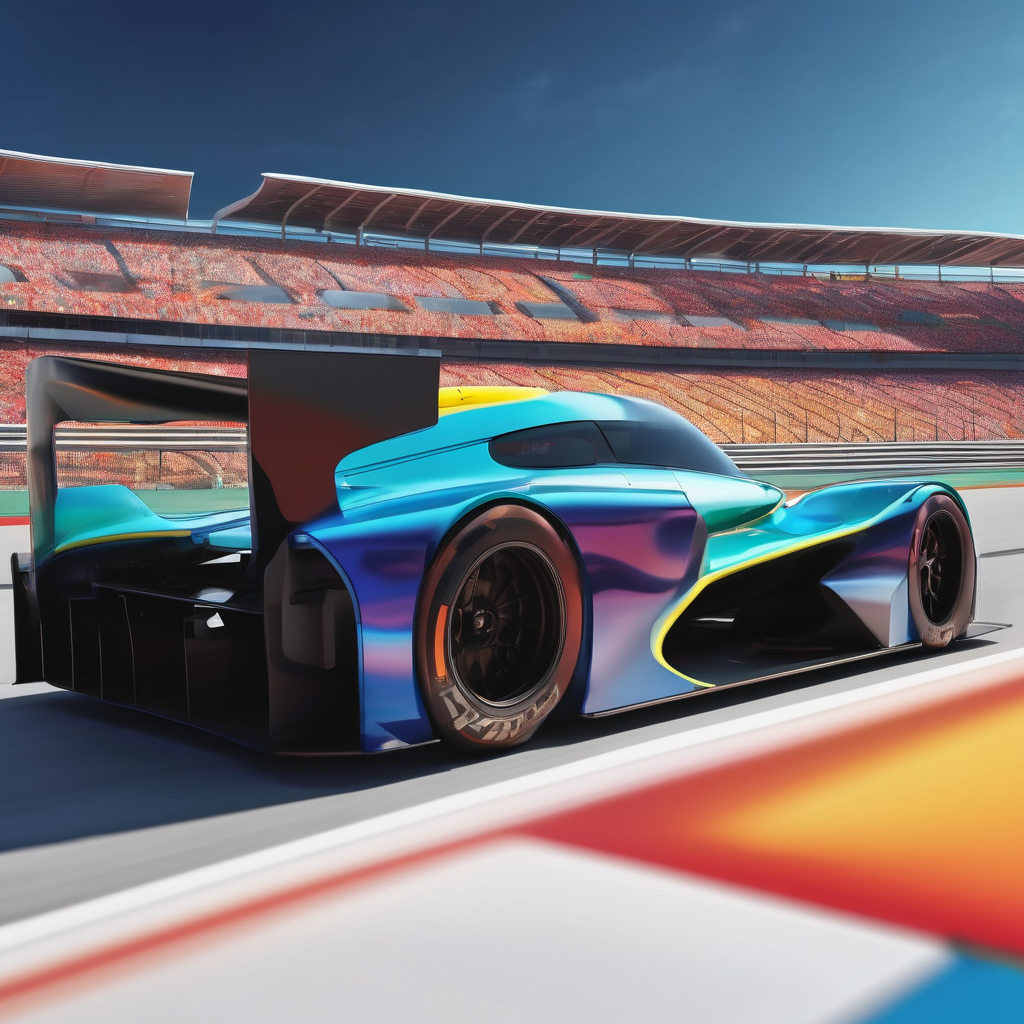
The unveiling of Formula E’s Generation 4 car, set to debut in the 2026-2027 ABB FIA Formula E World Championship, has sparked discussions about the future of motorsport and the potential for electric vehicles to replace the iconic Formula 1 cars. The Gen 4 car boasts an impressive acceleration, achieving 0-60 mph in just 1.8 seconds and generating over 815 horsepower. Its advanced features, including active all-wheel drive and an ‘Attack Mode’ for enhanced performance, hint at a thrilling competitive future.
While it is conceivable that electric race cars will improve in speed and efficiency, making significant strides against traditional internal combustion engines, Formula E faces challenges in escaping Formula 1’s longstanding legacy. As Formula 1 gradually adopts more sustainable technologies, including hybrid engines that utilize sustainable fuels, the distinct sound of traditional engines remains a significant factor for many racing enthusiasts. Some fans are even advocating for a simpler V10 engine that could run on fully sustainable fuels, hoping to merge nostalgia with modern environmental consciousness.
However, the inability of electric cars to replicate the thrilling roar of a Formula 1 engine, a sound cherished by fans, may hinder Formula E’s acceptance as a true rival. Many remember the memorable tones of V8 engines before the switch to quieter V6 hybrids in 2014, leading to criticisms about the quieter nature of modern races. Despite the advancements in electric vehicle technology and their role as a testing ground in the racing world, it is clear that the auditory experience plays a crucial role in the allure of motorsport.
Adding to the complexity is the developing landscape of government regulation regarding electric vehicles. As the UK government emphasizes the transition to greener transport, the potential introduction of a pay-per-mile tax on EVs and the requirement for EV drivers to pay congestion charges starting in 2026 have prompted concerns. These changes, along with Vehicle Excise Duty applicable to EVs by 2025, could influence public perception and adoption of electric vehicles on the road.
In the face of these challenges, Formula 1 is already moving toward a highly hybrid model with the 2026 regulations, nearly balancing the output from combustion engines with electric energy recovery systems. This shift raises questions about the long-term viability of Formula E amidst a backdrop of technological evolution within Formula 1.
Despite the impressive advancements being made in Formula E, it appears that the traditional charm and spirit of Formula 1 will continue to hold a strong appeal. The trajectory suggests that both racing series can coexist, each pursuing their respective paths toward sustainability while catering to the diverse preferences of motorsport fans. The ongoing developments in both arenas create exciting possibilities for the future of racing, continuing to attract interest in the dynamic world of motorsport.