
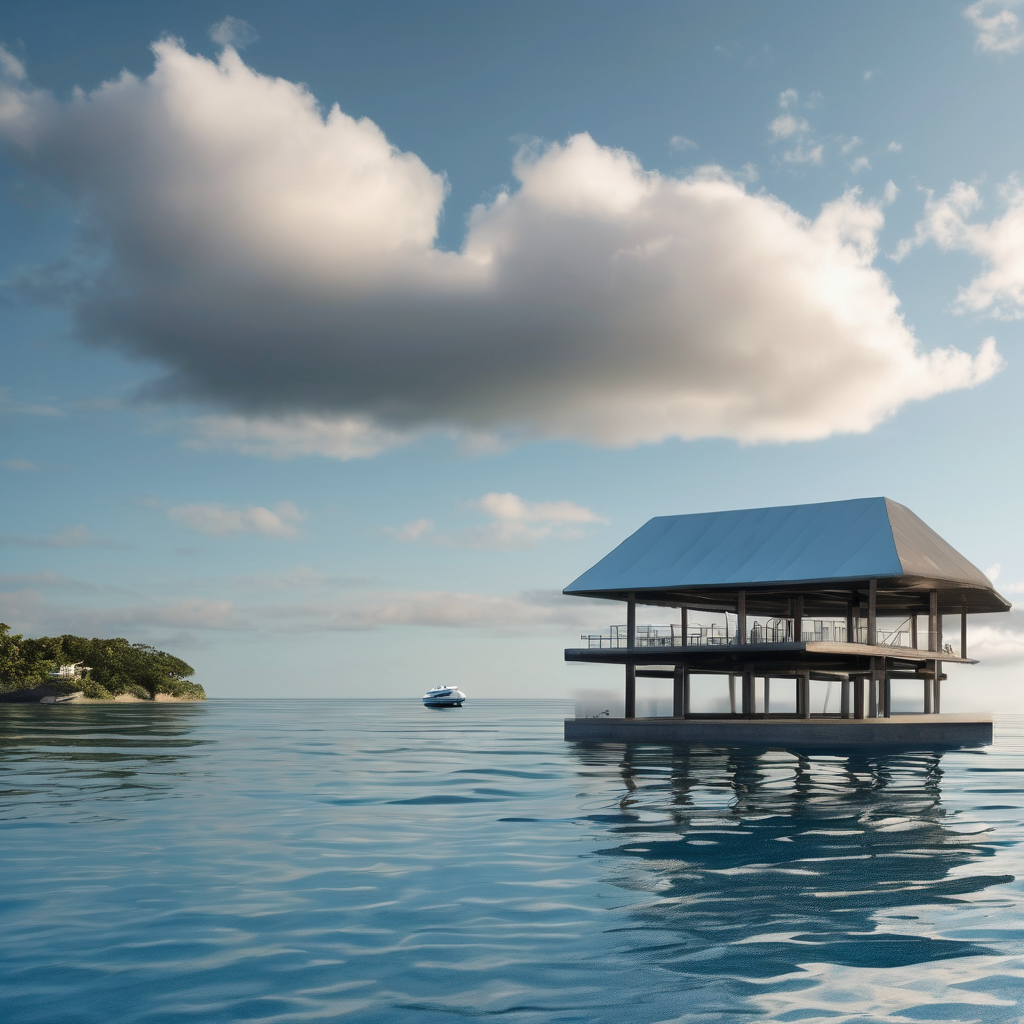
Seismic challenges and the impacts of climate change significantly affect marine infrastructure across the Pacific region, often limiting access to essential relief supplies during critical situations. In response, Marine Infrastructure Australia is leveraging its extensive experience and cutting-edge technology to deliver resilient solutions tailored to the unique conditions of the Pacific.
John Hogan, the Marine Structures Director, emphasized that floating marinas are highly adaptable, adept at managing tidal shifts and varying wave conditions. This versatility starkly contrasts with rigid fixed structures that necessitate costly protective measures. The capability to endure frequent cyclones, flooding, and earthquakes in island territories grants these floating solutions a substantial competitive advantage.
Hogan pointed out that opting for floating structures over fixed installations could lower seismic risks and reduce project costs, which tend to escalate with compliance to seismic design regulations. He envisions a long-term strategy centered on creating sustainable and adaptive marine infrastructure capable of responding to the evolving environmental and economic landscape.
With a rich background that spans 25 years with Superior Jetties and experience in the U.S. mining and concrete sectors, Hogan brings pivotal engineering insights to this initiative. The company’s business model incorporates centralized manufacturing in Australia alongside local assembly and installation in Fiji, allowing for cost optimization and enhanced in-market capabilities.
By dispatching production kits to Fiji for assembly by trusted local partners, the company can streamline on-site construction timelines, thereby minimizing overall project complexity and expenses. Hogan articulated a vision to gradually transfer specific manufacturing processes, like aluminum fabrication, to Fiji through comprehensive training programs and apprenticeships, which would foster local expertise.
This dedication to skill development is in harmony with Fiji’s economic development goals, generating job opportunities and strengthening technical skills within the community. Moreover, as the company seeks to penetrate other Pacific islands, it aims to establish joint ventures with local civil engineering firms specializing in marine works rather than simply setting up local manufacturing plants.
To support this effort, the company is pursuing partnerships with firms that possess essential equipment and invaluable local market knowledge to efficiently manage field operations, while continuing to centralize manufacturing. Hogan underscored the significance of collaboration to effectively scale their initiatives, leveraging established relationships with trustworthy partners while circumventing unnecessary duplication of infrastructure.
This innovative approach not only addresses the immediate challenges posed by climate change and seismic activities but also opens avenues for sustainable economic growth in the Pacific region through local workforce development and strategic partnerships.