
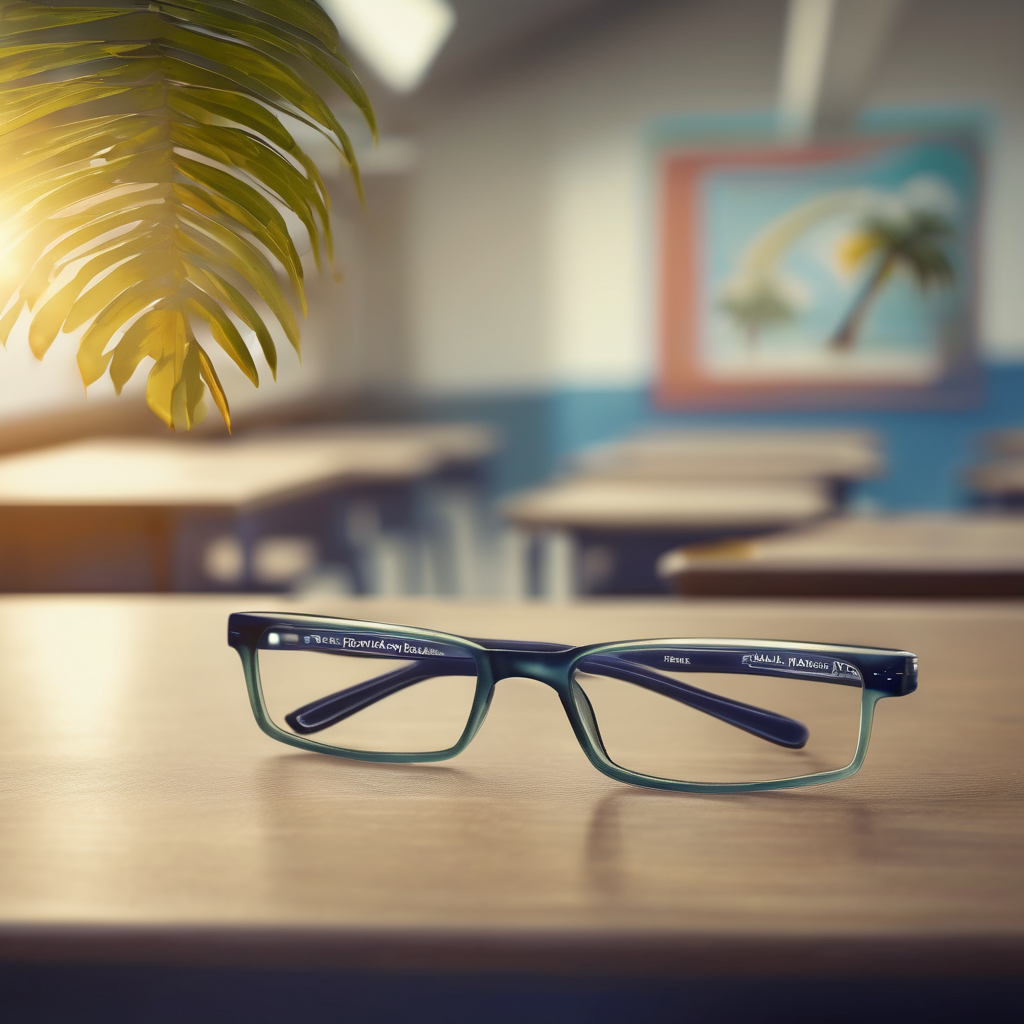
Good vision is vital for a child’s development, serving as a foundation for everything from walking to reading. Unfortunately, many children in Fiji do not receive eye examinations during their formative years. This gap in awareness can result in delayed detection of vision problems that are often easily treatable if addressed early on. Regular eye check-ups are not only crucial for health; they are also an investment in a child’s future.
Eye development starts from birth, making early examinations incredibly important. Parents may be surprised to learn that the first eye check-up is recommended around six months of age. Trained optometrists can assess infants’ eye alignment, focus, and visual responses using specialized pediatric techniques, even if the babies cannot verbally indicate their needs. Conditions such as congenital cataracts, severe refractive errors, or eye muscle issues can be identified at this early stage.
The next key examination typically occurs at around three years old, a time when children begin recognizing shapes, colors, and letters. Detecting vision problems like amblyopia (lazy eye), strabismus (squint), or astigmatism during this phase is crucial, as early treatment has high success rates. For instance, treatment for lazy eye is most effective when initiated before the age of seven; beyond this age, the likelihood of permanent vision loss increases.
Before beginning school, generally around five or six years old, a comprehensive eye examination is essential. Clear vision is directly linked to learning, with research indicating that up to 80 percent of classroom learning depends on good eyesight. Children who struggle to see the board, have difficulty reading, or quickly lose interest in tasks might not be exhibiting behavioral issues but rather underlying vision problems.
In today’s digital age, children are increasingly exposed to screens at a young age, which can result in symptoms such as eye strain, headaches, and blurred vision. Prolonged near work may contribute to the rise of myopia (short-sightedness), affecting millions of children globally.
Parents should watch for behavioral signs that may indicate vision struggles, such as frequent eye rubbing, squinting, sitting too close to screens, or covering one eye. In the classroom, a child with undetected eye problems might appear distracted, slow in completing tasks, or uninterested in reading. Since children often assume their vision is normal and typically do not voice concerns, the onus is on parents and guardians to remain vigilant.
Fortunately, many eye conditions in children are treatable if identified early. Interventions can include corrective glasses, patching therapy for lazy eye, or other early treatments to prevent long-term visual impairment. Optometrists play a crucial role in this process by offering accurate assessments, treatments, and ongoing monitoring.
As healthcare access improves in Fiji, it is imperative to prioritize children’s eye health. A single eye examination could uncover issues that may affect a child’s vision for years. By ensuring regular check-ups at six months, three years, and just before starting school, parents can provide their children with the gift of clear vision—a significant advantage in learning and life opportunities. Good vision fosters learning, confidence, and future potential, making it one of the simplest yet most powerful ways to support a child’s growth.