
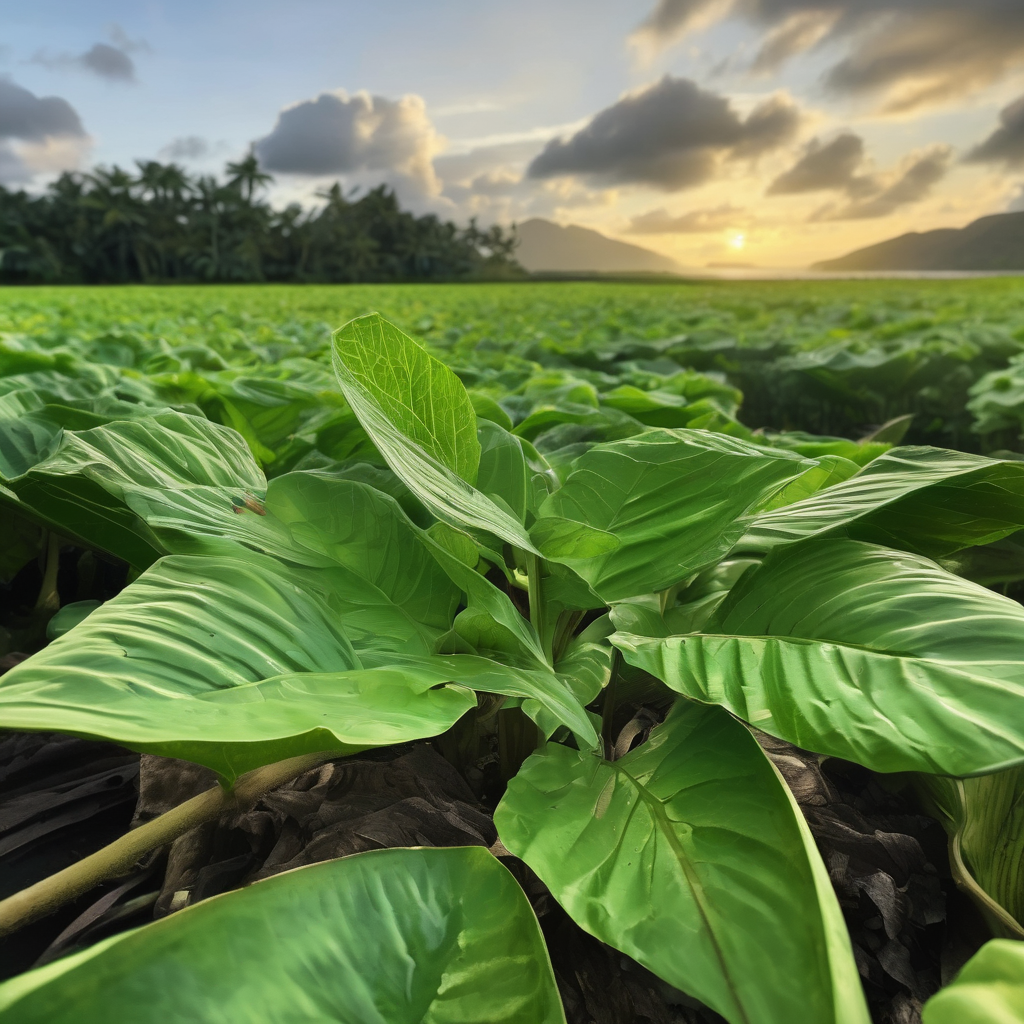
Uncontrolled kava consumption is having a more profound impact on Fiji’s kava industry than the notorious kava dieback disease, according to Agriculture Minister Tomasi Tunabuna. Recent evaluations from the ministry reveal that the current drop in kava production is not solely a result of disease but is heavily influenced by increasing consumption rates and a dwindling number of growers.
Mr. Tunabuna expressed concern that the rising levels of kava consumption and the decline in cultivators are critical factors contributing to the reduced overall supply, overshadowing the damage caused by the disease. “I think the biggest worry now is, apart from the disease, the high consumption, unnecessary consumption of kava,” he noted, emphasizing the shrinking pool of individuals engaged in kava farming.
Surveys conducted by the Ministry of Agriculture have pointed to inadequate farming and crop management practices as major impediments to productivity. The Minister highlighted the issue of neglect within kava plantations, stating, “A lot of people plant yaqona; they don’t look after the yaqona, so productivity is very much affected by this.”
Furthermore, Mr. Tunabuna observed a significant change in kava consumption patterns, citing problems of wastage and poorly organized harvesting methods as additional challenges for the industry. He acknowledged the presence of kava dieback disease but clarified that it is only a part of the larger set of issues plaguing the sector.
In response to these challenges, the Ministry of Agriculture is actively reviewing strategies to minimize losses and promote sustainable kava production across the nation. This forward-thinking approach aims to enhance practices and revitalize Fiji’s kava industry, potentially benefiting both producers and consumers in the long term. There is hope that by addressing these critical issues, Fiji can restore its kava sector to a thriving state.