
The Fijian Competition and Consumer Commission (FCCC) has made significant strides in managing the electricity tariff increase proposed by Energy Fiji Ltd (EFL) by establishing a tiered pricing system designed to ease the financial strain on households and businesses throughout the country.
This new usage-based tiered rate model aims to shield more than half of EFL’s domestic customers—approximately 98,843 households—from experiencing any increase in their electricity rates. Small businesses will also benefit from reduced financial pressure due to these changes. FCCC Chief Executive Officer Senikavika Jiuta stated that after conducting a comprehensive assessment of EFL’s various proposals since 2023, the commission rejected the initially suggested 37% increase. Instead, it approved a 24.2% increase in EFL’s revenue requirement.
Jiuta explained that this adjusted increase was deemed fair to consumers, essential for maintaining system reliability, and crucial for ensuring sustainable energy for Fiji’s future. Consequently, this revised revenue requirement will result in a modest rise of three to six percent in domestic tariffs, while commercial clients will face increases between seven and 55%.
The FCCC also highlighted the connection between this rate adjustment and the development of renewable energy-based power generation. The commission has pledged to monitor and review this pricing framework every six months. FCCC Manager of Economic Regulations, Avneet Singh, pointed out that EFL’s proposals include initiatives focused on investing in two hydropower projects: Vatutokotoko (Lower Ba) and Qaliwana. The Vatutokotoko project is anticipated to reach completion within five years, while Qaliwana is undergoing further development.
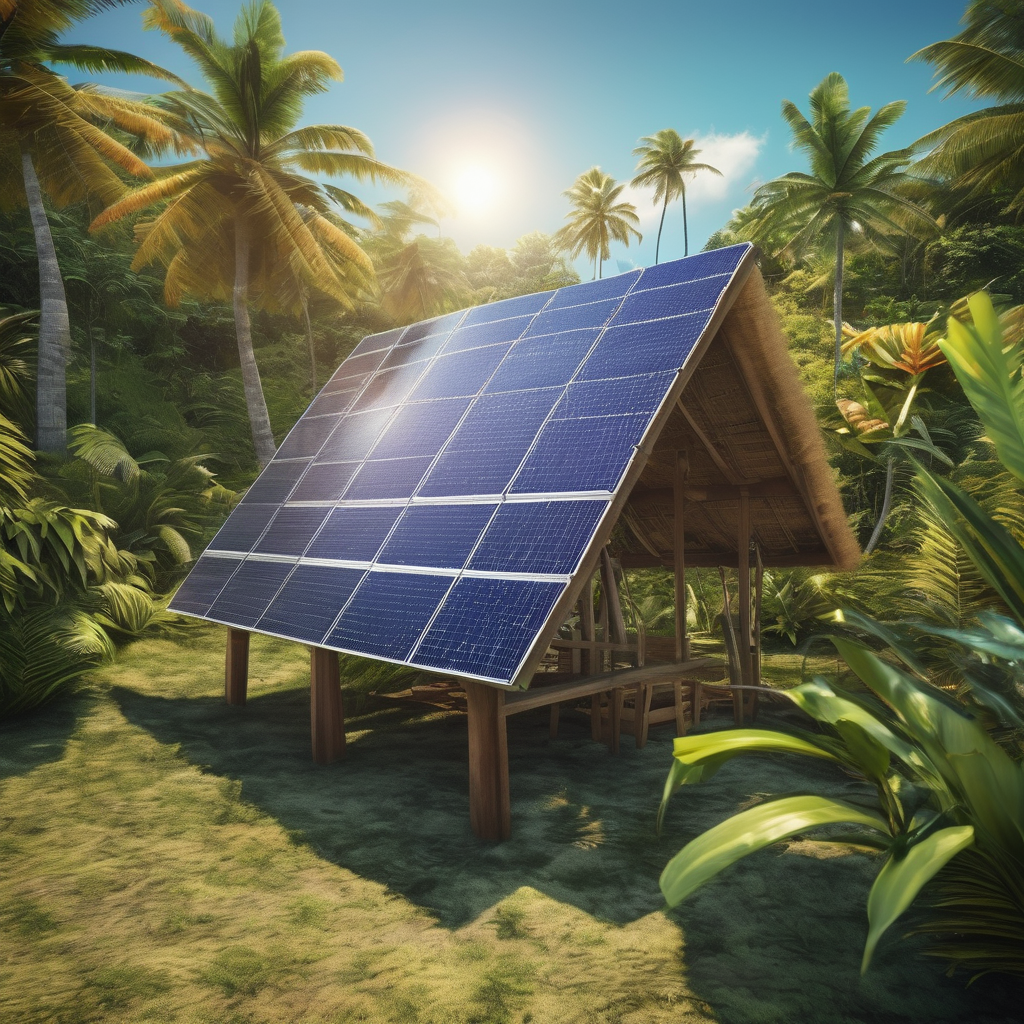
Singh underscored the importance of diversifying Fiji’s energy portfolio, announcing a core investment of $200 million in solar power through collaborations with Independent Power Producers (IPPs). The ambitious target is to achieve 60% of Fiji’s energy needs from renewable sources provided by IPPs by 2029, ultimately aiming for 90% renewable energy usage by 2035.
Transitioning to an inclining block tariff structure signifies a substantial departure from the previous single-rate system, with comprehensive reviews set for 2029. This innovative approach not only seeks to lessen the financial burden on consumers but also aligns with Fiji’s commitment to a sustainable energy future, reflecting a significant advancement towards renewable energy adaptation in the region. This proactive stance by the FCCC showcases a hopeful direction for energy resilience and economic stability in Fiji.