
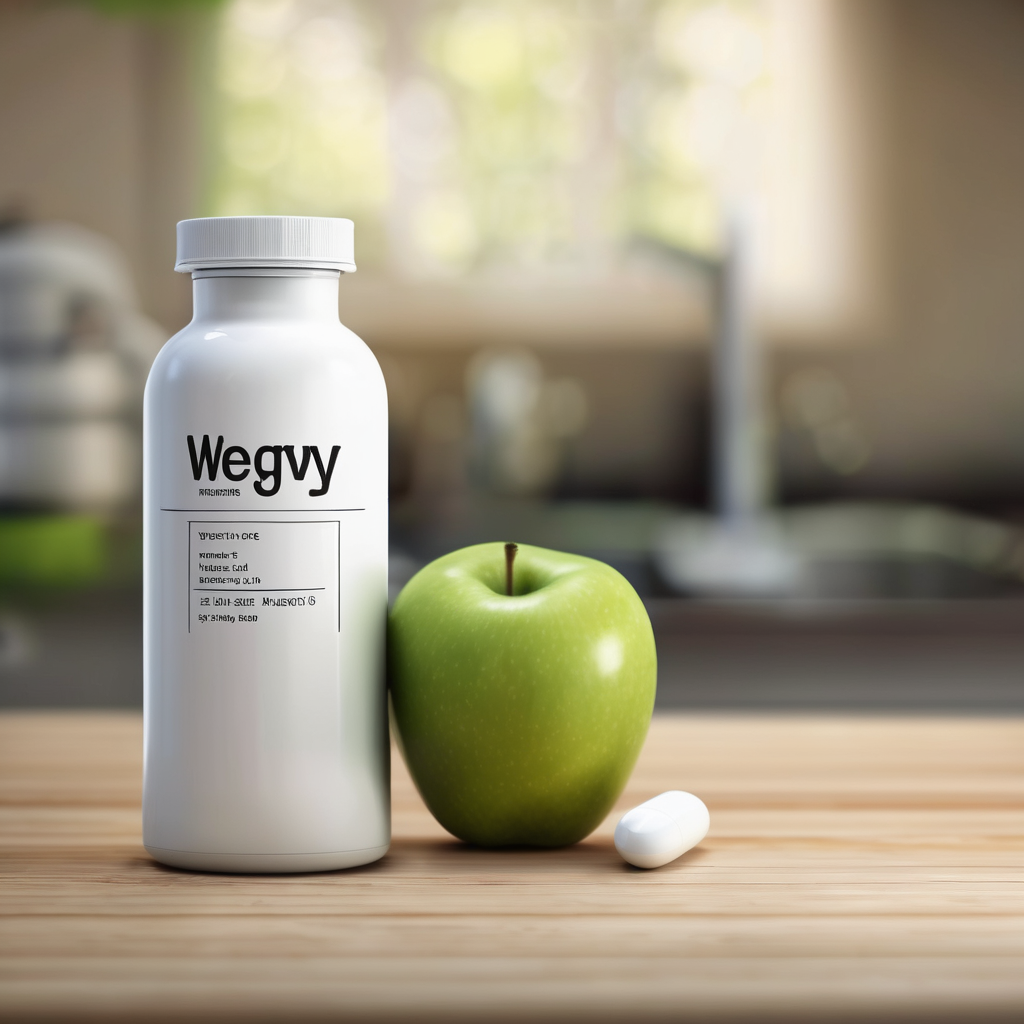
The Food and Drug Administration (FDA) has officially approved a pill version of Wegovy, a significant milestone for Novo Nordisk’s prominent weight loss medication. This pill, representing the first oral formulation of a GLP-1 drug designed for weight reduction, is set to meet growing consumer demand for non-injectable weight loss solutions. Additionally, a competing pill from Eli Lilly is anticipated to receive approval in the near future.
GLP-1 drugs, including semaglutide—found in both Ozempic and Wegovy—as well as tirzepatide, which is part of Lilly’s Mounjaro and Zepbound, have gained traction as effective treatments for obesity and related conditions, originally intended for diabetes management. While these medications have traditionally been administered via injections, the introduction of the Wegovy pill aims to enhance accessibility and ease of use.
Dr. Christopher McGowan, a gastroenterologist from Cary, North Carolina, noted the significance of this advancement, stating, “This is a meaningful step forward in the field. It won’t replace injectables, but it broadens our tool kit in an important way.” The familiarity and convenience of pills can potentially make adherence to treatment more acceptable for many users.
Although Novo Nordisk has not disclosed the pricing for the Wegovy pill, it is expected to be less expensive than its injectable counterparts. Coverage by private insurers remains a concern due to the high costs associated with these medications. Interestingly, while Medicare typically does not cover weight-loss drugs, the Wegovy pill was approved for its potential to lower heart disease risks, a service Medicare does cover.
In November, Novo Nordisk secured a deal with the previous administration to make the lowest dose of the pill available at $149 per month for those paying out-of-pocket. Similarly, Eli Lilly has agreed to accessible pricing for their forthcoming weight loss pill.
Clinical trials published in the New England Journal of Medicine on the Wegovy pill revealed promising results, with participants at the highest dosage losing an average of 16.6% of their body weight over 64 weeks, compared to a mere 2.2% in the placebo group. This weight loss figure aligns closely with outcomes from the injectable form of Wegovy, which demonstrated a 15% reduction in weight after 68 weeks.
Despite its efficacy, Dr. Shauna Levy from the Tulane Weight Loss Center emphasized that adherence could pose a challenge, as the pill requires consumption first thing in the morning on an empty stomach, alongside a limited water intake. A consistent regimen is crucial for optimal results, and individuals who deviate from it may experience diminished weight loss.
The common side effects observed during trials were gastrointestinal, including nausea and vomiting, which may be more pronounced with the oral formulation due to the rapid action when hitting the stomach. Dr. McGowan candidly mentioned that the obstacles seen with injectable forms of GLP-1 do not simply vanish with the introduction of a pill.
While the Wegovy pill demonstrates comparable effectiveness to injectable forms, it is essential to note that oral GLP-1 treatments generally yield less dramatic weight loss outcomes. Lilly’s Zepbound, for instance, showed an average weight loss of 22.5% over 72 weeks in clinical trials, reinforcing its standing as one of the leading medical options for obesity, next only to surgical interventions.
As it stands, the Wegovy pill is projected to be accessible to consumers starting in January, with Novo Nordisk ramping up production to preemptively address any potential shortages that plagued the initial launch of Wegovy. The ongoing development and increased availability of oral weight loss medications highlight a positive trend in tailoring obesity treatments to better suit patients’ needs, ultimately fostering healthier lifestyles.