
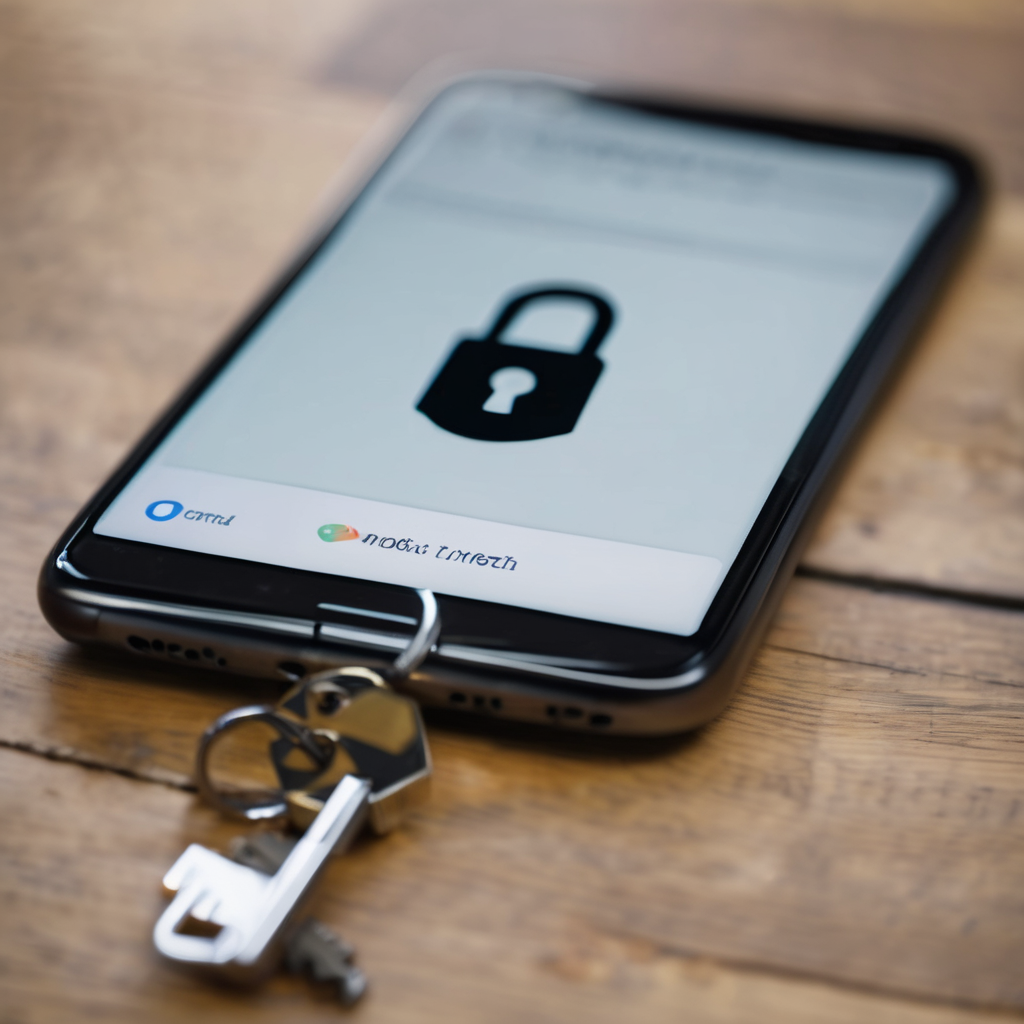
The Federal Communications Commission (FCC) has recently lifted a restriction that mandated Verizon to unlock devices automatically after 60 days, allowing the telecom giant to keep devices locked throughout the entirety of a user’s payment plan. This policy change comes as part of the FCC’s broader efforts to combat fraud and illegal activities associated with unlocked devices.
Unlocking devices has significant advantages for users, primarily enabling them to switch networks freely according to their preferences. Various advocacy groups, including iFixit, Public Knowledge, and the Benton Foundation, have argued that automatic unlocking reduces barriers for customers, enhances competition among carriers, and promotes a more sustainable device marketplace.
By lifting the restriction, the FCC has allowed Verizon to align with the more lenient CTIA code. Under this standard, wireless companies are only required to unlock devices upon customer request, and typically after one year post-activation for paid-off devices. For those still under payment plans, unlocking must follow contract fulfillment or the settlement of any early termination fees.
The FCC declined to lower the unlock period to 180 days, countering concerns that this would hinder competitive options. The authority stated that their decision is based on the need to deter criminal activity, as Verizon’s devices have been targets of sophisticated crime networks engaging in unlawful schemes, including the trafficking of stolen handsets.
The FCC further asserted that prior measures, including the 60-day automatic unlocking rule, were insufficient to prevent fraudulent actions. Although Verizon has argued that the timeframe allowed was adequate to flag suspicious activity, the Commission maintained that the global scope of 4G LTE and 5G technologies has made stolen devices easier to sell on the black market, particularly in countries that do not enforce blocking regulations.
For Verizon users with devices activated before the rule change, the 60-day unlocking policy continues to apply. However, devices activated moving forward will fall under the new CTIA rule, which limits consumers’ ability to switch carriers more freely.
This regulatory shift aims to create a more secure environment for users while addressing the complexities of the modern telecommunications landscape. By fostering a uniform industry standard, the FCC hopes to safeguard against the exploitation of system vulnerabilities that have previously plagued the market.