
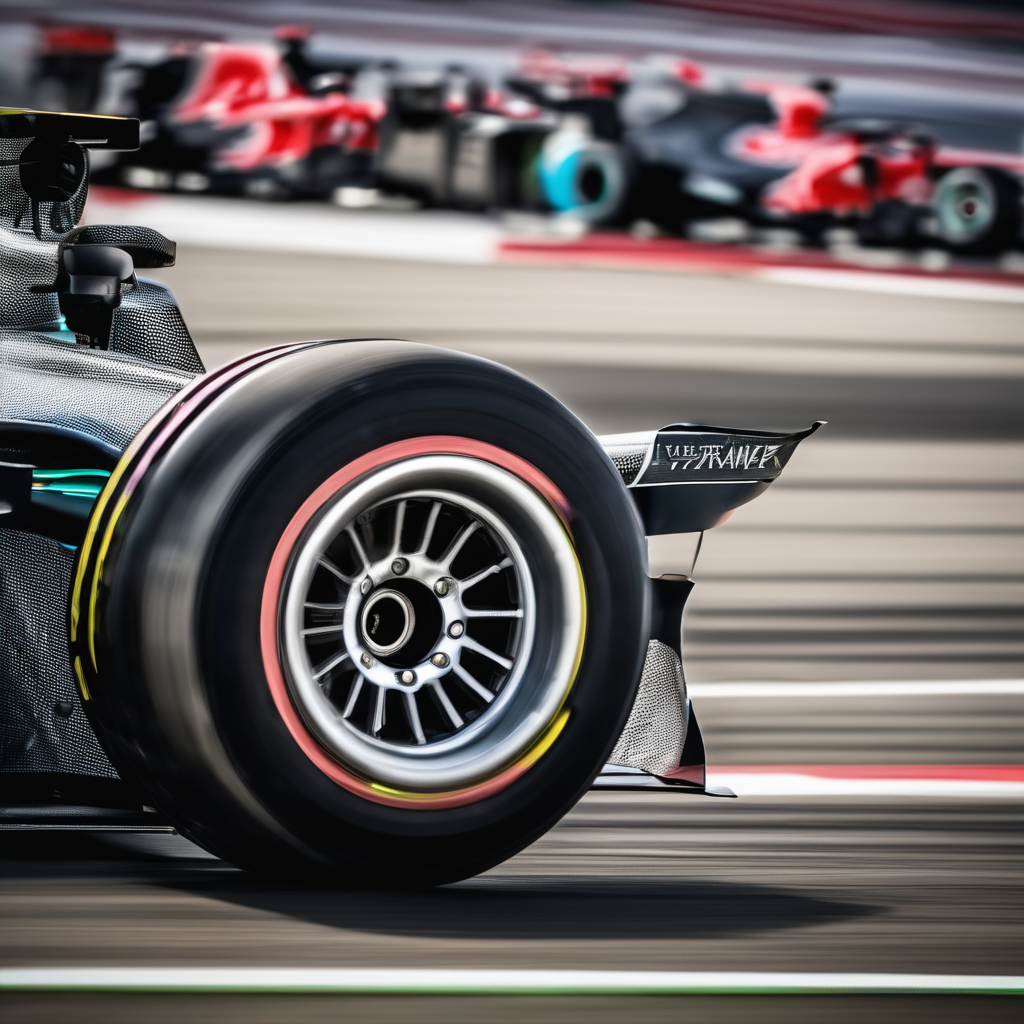
George Russell is optimistic about the upcoming changes in grand prix racing, particularly with the implementation of new energy management demands set for the early 2026 races. The next generation of power units will see 50% of their output sourced from enhanced batteries, necessitating a shift in focus for drivers towards energy harvesting and re-capturing.
Certain circuits, such as Sakhir in Bahrain and Canada’s Gilles Villeneuve, are expected to benefit from heavy braking zones that facilitate energy recovery. However, tracks like Australia’s Albert Park and the Jeddah Corniche in Saudi Arabia pose challenges as their long straights and sweeping corners will not allow for easy energy harvesting. This variance indicates that drivers will need to adopt diverse driving styles to navigate the new regulations effectively.
Russell highlighted the anticipated changes in racing dynamics, noting that the reduced aerodynamics on the cars will lessen disturbances on track, potentially allowing for closer racing. He pointed out that the significant differences in energy deployment strategies between drivers could lead to a more fascinating competitive landscape, especially on tracks characterized by long straights.
“I think we will see different racing,” Russell commented, “and tracks like Melbourne and Jeddah, where there are numerous long straights, could provide intriguing opportunities for drivers to showcase distinct styles under the new regulations.” As the Formula 1 community looks ahead, the 2026 season promises to deliver a fresh and engaging chapter in racing, with energy management becoming a new focal point for teams and competitors alike.