
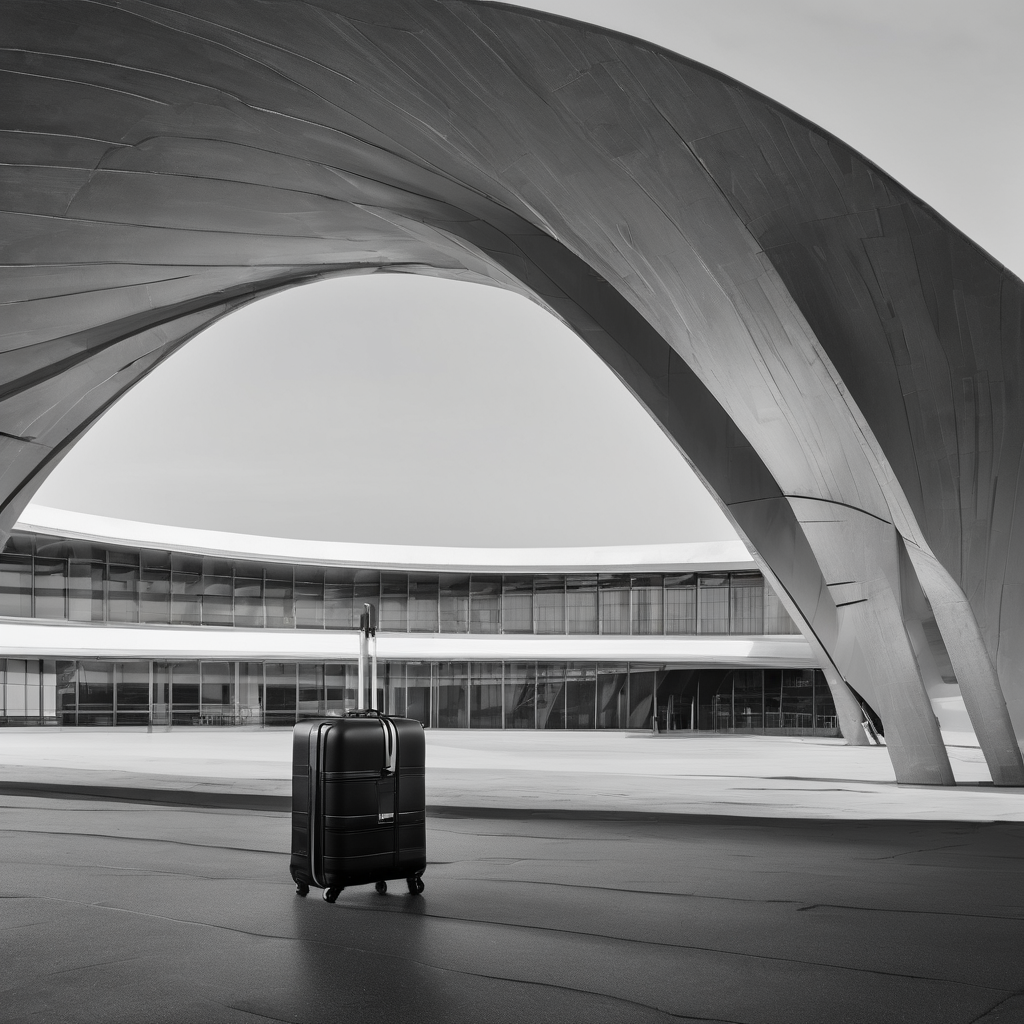
Dulles International Airport is on the brink of significant changes aimed at revitalizing the facility, which the U.S. Department of Transportation has described as being in “a state of disrepair.” In December, the department requested proposals for various upgrades, stating that the renovation plans currently in place are insufficient for an airport serving as a global gateway to the nation’s capital. This request generated considerable interest, with over two dozen architectural, engineering, and technology firms submitting their ideas before the deadline on January 20.
Among the submitted concepts, which span from complete redesigns to the addition of wellness pods, local leaders have contested the narrative set by the previous administration. One notable proposal comes from New York-based Rebound, which envisions implementing wellness pods for travelers experiencing stress and delays, estimating initial costs of $150,000 for an eight-pod pilot project.
On the more ambitious end, Ironbridge P3 Infrastructure, a Vienna-based firm, has proposed a $35 to $55 billion redevelopment plan that preserves the iconic main terminal designed by Eero Saarinen, converting it into a national aviation museum and VIP terminal while constructing a new terminal tailored for modern aircraft operations. Ferrovial has suggested a more moderate $18 billion plan, which would also repurpose the Saarinen terminal and enhance connections to the nearby Silver Line Metro station.
Several respondents are focused on improving operational efficiency. Glydways, a technology company based in the Bay Area, has launched a proposal to create an underground network of autonomous electric vehicles for efficiently connecting terminals, while a Delaware startup, Eden Blue, seeks to rejuvenate the travel experience with Direct Jet Transports that minimize walking distances for passengers.
The proposals collectively acknowledge the need for modernization while highlighting the importance of preserving the distinctive architectural heritage of the Dulles main terminal. Advocacy groups such as the Art Deco Society of Washington and Docomomo DC have emphasized the need to protect Saarinen’s monumental design, asserting that any updates should not compromise its historical significance.
MWAA President and CEO John Potter remains optimistic about the future of Dulles Airport, acknowledging past criticisms but expressing confidence in the improvements made over the last decade. As the review process progresses, industry stakeholders and local advocates alike hope for balanced solutions that will enhance the airport’s infrastructure while honoring its architectural legacy.