
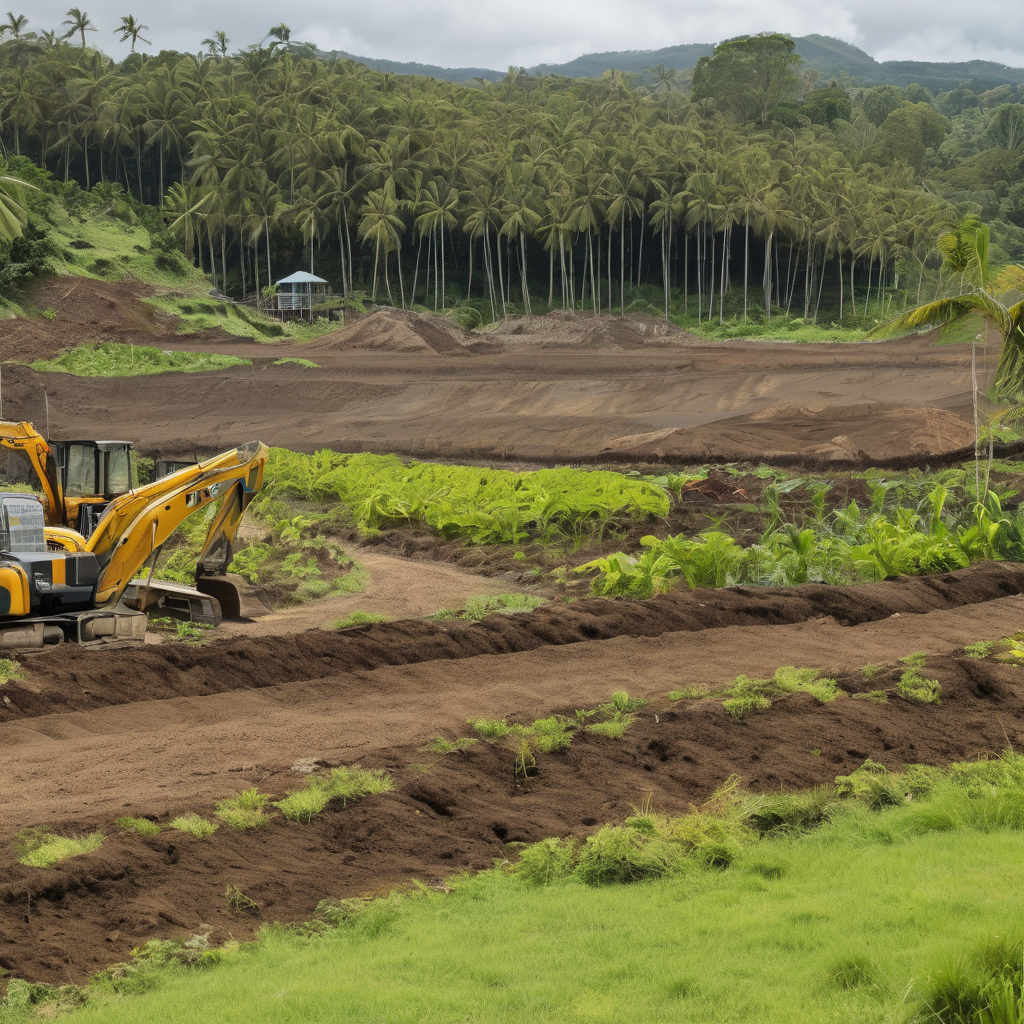
Civil construction at the Nabavatu relocation site has faced initial challenges due to the discovery of underground seepage. This issue has led contractors to prioritize drainage improvements before continuing with housing construction to ensure a solid foundation for the project. Project engineer Versoni Tavana highlighted the necessity of addressing these drainage concerns from the outset, stating that effective drainage was emphasized before preparing the terraces for building.
While there are still areas of soft ground at the site, Tavana expressed confidence that these challenges are manageable. He noted that although the soil conditions were assessed early on, the land proved less than ideal when phase two of construction commenced. Consequently, ensuring proper drainage became critical to making the area suitable for residential development.
Despite these setbacks, Tavana indicated that progress has improved significantly since the initial issues were identified and addressed. He pointed out that a cornerstone of the project is equity, with each of the 37 relocating families slated to receive an equal plot of land and identical two-bedroom homes. Tavana confirmed that all homes will have the same measurements both internally and externally, ensuring no variation between them.
The efficiency of the construction operations hinges on deploying teams based on their trade strengths rather than simply the number of available workers. Tavana explained that the number of laborers fluctuates in accordance with the construction phase, with specific tasks, such as floor pouring, requiring more workers at certain times. All steel components for the homes are prefabricated in Suva and then transported to the location for assembly, which may sometimes give the impression of a smaller workforce on-site without compromising efficiency.
With the foundational issues now being resolved, construction is steadily progressing, bringing renewed hope and stability to the families involved in the relocation process. The commitment to equitable housing and a well-managed project bodes well for the future of these families as they look forward to moving into their new homes.