
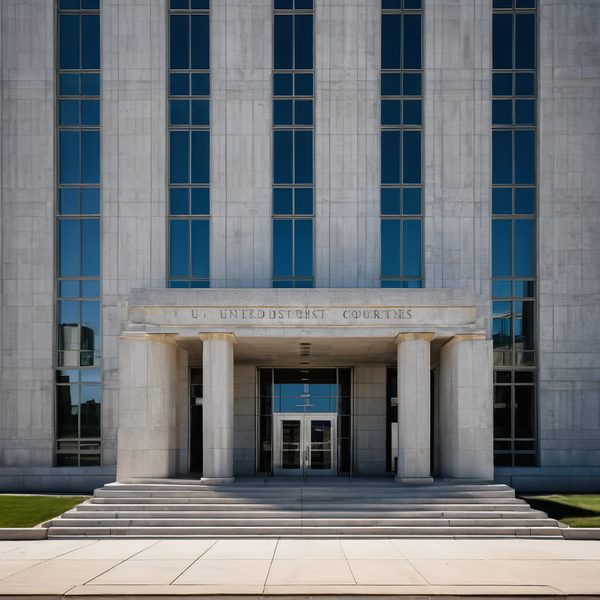
Deere & Company said on April 6, 2026, that it has reached a settlement to resolve a multidistrict "right to repair" antitrust litigation pending in the United States District Court for the Northern District of Illinois, bringing to a close a case that had its origins in a 2022 complaint. The company said the agreement ends the litigation with no finding of wrongdoing, and characterized the matter as concluded.
The suit, consolidated as a multidistrict litigation, had grouped several plaintiffs’ claims that coalesced after the initial 2022 filing. Deere, based in Moline, Illinois and listed on the New York Stock Exchange as DE, announced the settlement in a corporate filing and press release. The company did not immediately provide detailed terms of the settlement or indicate whether financial payments or injunctive measures were part of the agreement.
The litigation formed part of a wider national debate over "right to repair" — the movement that argues owners and independent repair shops should have access to the parts, tools, and diagnostic information necessary to fix modern equipment. Farmers, independent mechanics and repair advocates in recent years have targeted major equipment manufacturers over software locks, repair restrictions and the costs of authorized service. Deere has been a focal point in that debate because modern agricultural machinery relies heavily on embedded software and proprietary diagnostic systems, which plaintiffs have said can limit repair options and after‑market competition.
Legal and regulatory responses to right-to-repair concerns have varied across jurisdictions. Several states and U.S. federal lawmakers have proposed or enacted measures intended to expand repair access, while industry groups have argued that manufacturer controls protect safety, emissions compliance and intellectual property. The outcome of this Deere settlement removes one large, consolidated federal case from that docket, but does not by itself change the wider legislative or regulatory landscape.
Industry observers will be watching for any details released about the settlement’s provisions, which could offer precedent for how equipment manufacturers handle access to software, diagnostics and parts going forward. If the agreement includes operational changes or commitments by Deere, those could influence the choices of other manufacturers and the direction of future litigation. If it is primarily a monetary settlement, its impact on industry practices would likely be more limited.
Deere has faced scrutiny over repair policies for several years and has defended its practices as necessary for safety, security and product integrity. The company’s statement framing the settlement as having "no finding of wrongdoing" underscores its position that it did not concede liability. With the Northern District of Illinois case settled, attention may return to state-level actions and to any remaining private lawsuits or regulatory inquiries that have raised similar issues around equipment repair access.