
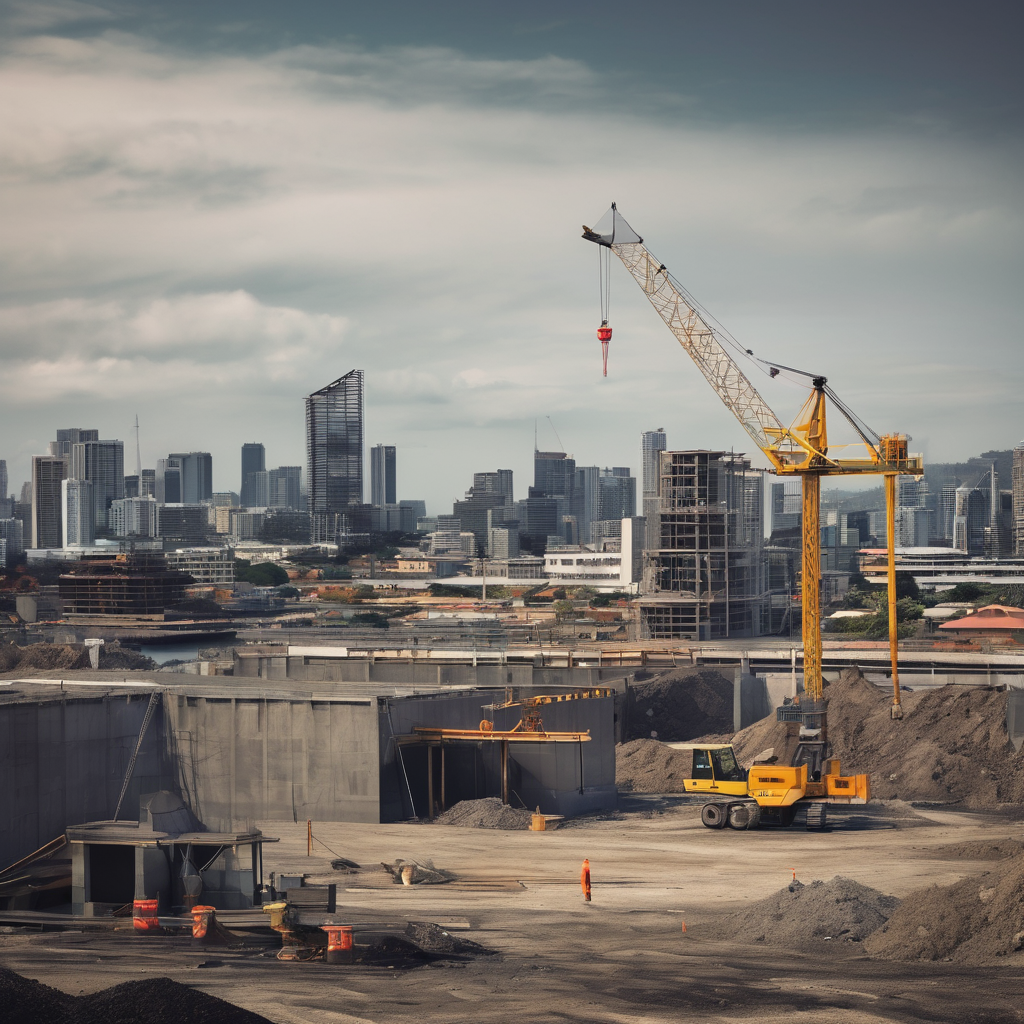
Plans for a 13-storey apartment building, accompanied by 11 car parks in Vatuwaqa, Suva, have sparked a significant backlash among local residents due to the introduction of a $5-per-page fee for accessing Environmental Impact Assessment (EIA) reports. Many locals are voicing their concerns over what they perceive as an “unreasonable and unfair” financial barrier that restricts access to crucial information regarding the development.
Adrienne Ali, a Vatuwaqa resident, expressed her dissatisfaction regarding the EIA fees, particularly since some documents can reach up to 500 pages. She pointed out that the cost translates to a substantial burden for residents, remarking, “That’s the minimum wage in Fiji; you’re basically asking people to give up eating just to obtain information.” Ali also criticized the lack of online accessibility for the EIA documents, questioning why these reports are not made available on the developer’s or city’s websites. “In this digital age, what’s the harm in just putting it on your website? What do you have to hide?” she asked.
The concerns of the community extend beyond the financial implications of accessing these reports. Ali raised alarms about the potential strain on Suva’s already overstretched infrastructure if the proposed development proceeds. She referenced recent challenges faced during a fire incident in Toorak, where inadequate water pressure hampered emergency response efforts. “There were 13 firefighters and three trucks, and they still didn’t have enough water pressure. Imagine all these new buildings using even more resources,” she noted.
Local residents are demanding that critical issues such as traffic congestion, water supply, electricity reliability, drainage, and emergency access be addressed before new developments receive any further approvals. The growing unease surrounding urban development highlights a broader conversation about sustainable growth in Suva and the pressing need for transparency from developers.
As discussions regarding this development continue, it becomes increasingly important for community perspectives to be acknowledged. Ensuring open lines of communication and advocating for transparency will not only contribute to informed decision-making but also help foster a more collaborative approach to future urban development in the region. By prioritizing the well-being of residents and considering their input, city planners can work towards creating a sustainable environment that meets the needs of the community while accommodating growth.