
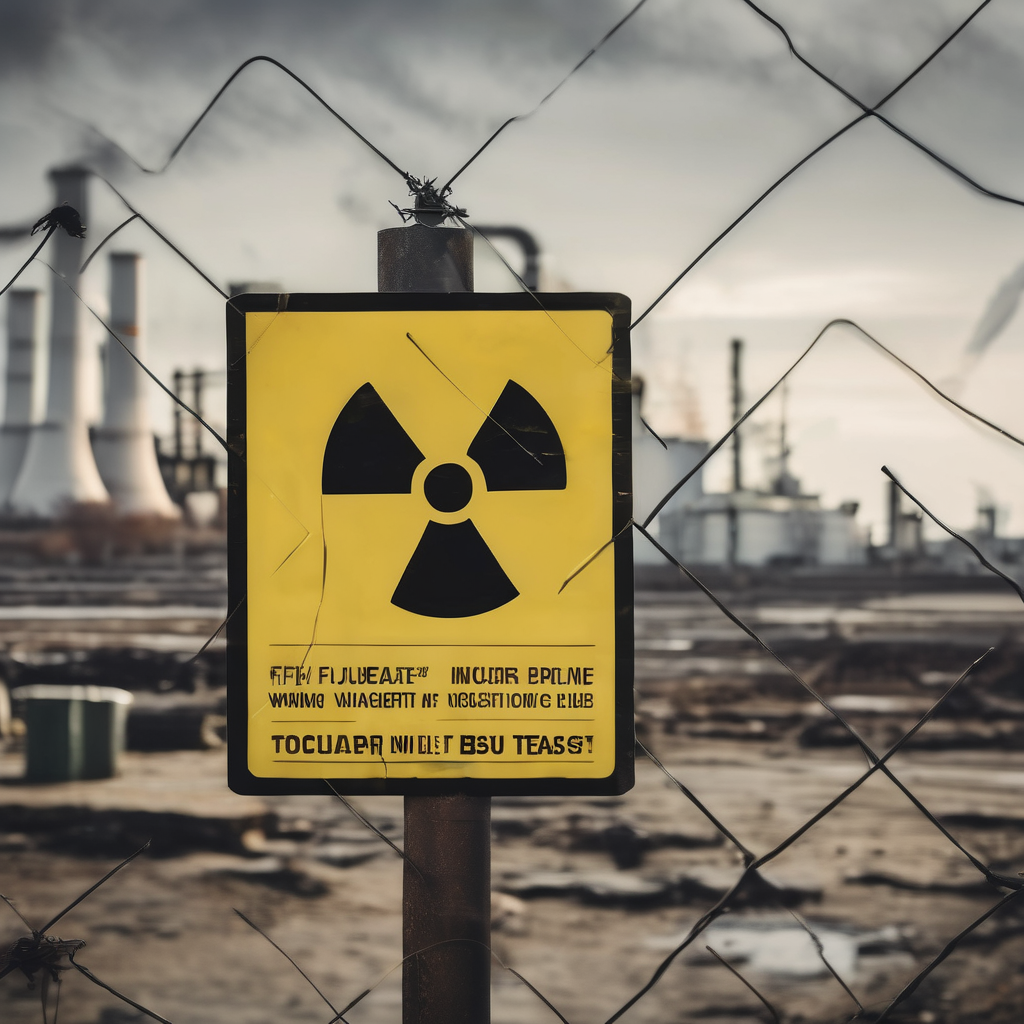
China has reportedly conducted secretive nuclear explosive tests, employing a method that allegedly reduces the effectiveness of seismic monitoring, according to US Under Secretary of State Thomas G. DiNanno. He stated that a yield-producing nuclear test took place on June 22, 2020, shortly after a deadly face-off in the Galwan Valley resulted in casualties for both Indian and Chinese military personnel.
DiNanno expressed serious concerns about China’s nuclear activities, asserting that the country has conducted tests with designated yields in the hundreds of tons and has employed a technique called “decoupling” to obscure its operations from international surveillance. He emphasized the urgent need for a new nuclear strategy that addresses contemporary threats rather than outdated frameworks.
The Under Secretary highlighted the inadequacies of the New START treaty, which was established in 2010 to limit deployed strategic nuclear warheads. DiNanno noted that while almost all US deployed nuclear forces fall under this treaty, no Chinese nuclear capabilities are regulated by its terms. With China’s ongoing arsenal expansion and Russia’s alleged treaty violations, he underscored the necessity for a modernized approach to nuclear arms control.
President Donald Trump had previously alluded to similar concerns, suggesting a potential resumption of nuclear tests to align with Russia and China’s capabilities. DiNanno’s remarks coincide with a new US initiative calling for trilateral discussions with Russia and China aimed at establishing new constraints on nuclear weapons following the expiration of New START.
China, however, has indicated that it is not open to disarmament negotiations at this time, which raises the stakes for global nuclear diplomacy. As nations navigate the complexities of nuclear armament, the call for a more robust framework remains crucial for international security and stability.