
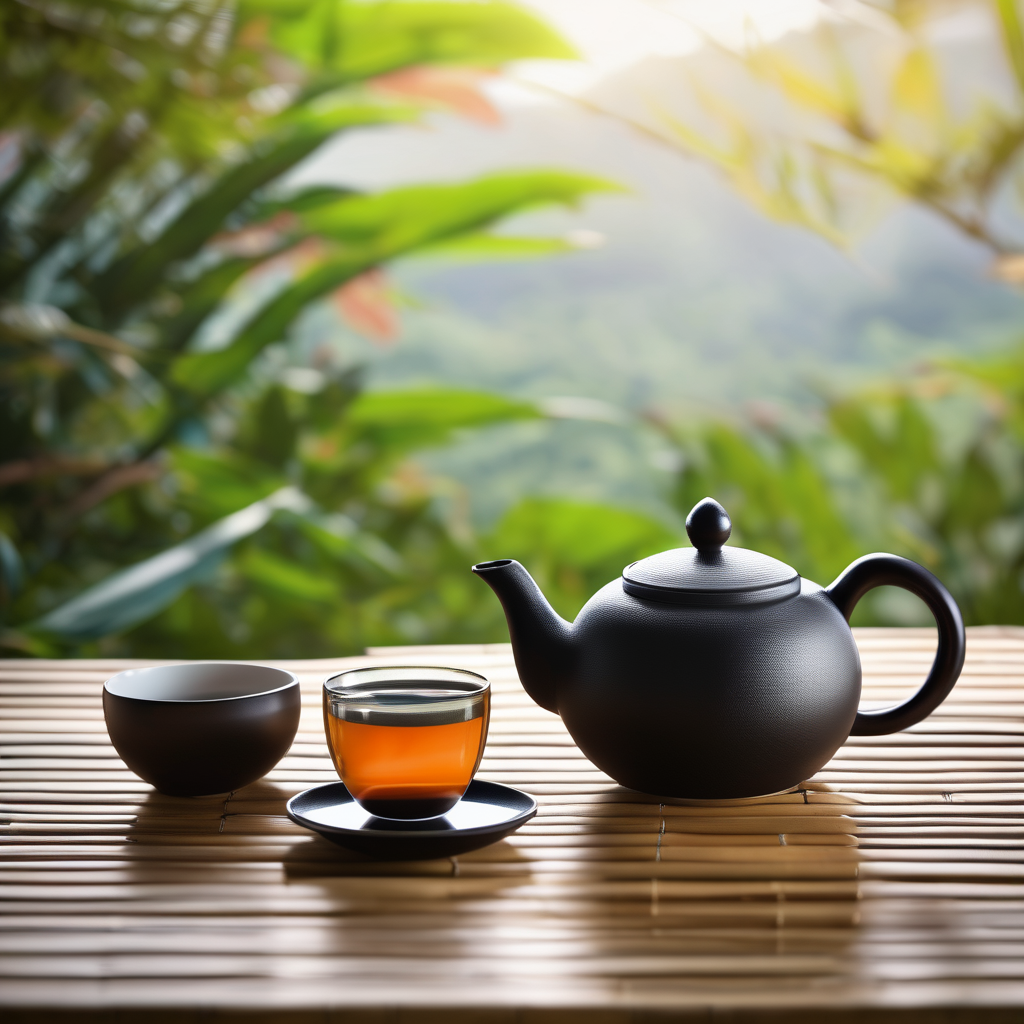
A new trend known as “Chinamaxxing” is gaining traction among some Americans, reinterpreting traditional Chinese wellness practices as part of a broader lifestyle overhaul. This phenomenon is reflected across various platforms, particularly TikTok, where users share videos engaging in practices such as boiling apples, sipping hot water, and practicing Qigong, often set to soundtracks featuring traditional Chinese music.
One Miami-based TikTok user, who goes by Simplysashanoel, shared her commitment to drinking hot water every morning, asserting its benefits for bloating and skin health. Her video, which garnered approximately 1.4 million views, also highlights a nod to the Lunar New Year, celebrated by many Chinese communities beginning on February 17, during which she mentions the practice of wearing house slippers.
The trend has resonated with a significant number of users who are also exploring other elements of Chinese culture, like enjoying congee, observing traditional medicine customs, and participating in rituals during the Lunar New Year, including refraining from washing their hair to preserve fortune. This acceptance and adoption of what have traditionally been Eastern practices represent a notable shift in how American youths perceive and engage with Chinese culture.
Experts describe “Chinamaxxing” as a pivotal shift in the American youth’s view of China, transitioning from a static and traditional image to one that is modern, aesthetic, and confident. Jacob Cooke, CEO of Beijing-based WPIC Marketing + Technologies, notes that influencers visiting China showcase vibrant cities and contemporary lifestyles that starkly contrast with outdated perceptions. This trend reflects a growing interest in food, aesthetics, fashion, and lifestyle influences from China, making these practices feel accessible and relatable.
The rising fascination with Chinese culture can also be tied to changes in social media dynamics, particularly a mass exodus of TikTok users to Xiaohongshu, which has allowed American Gen Z audiences to gain insights into the lives of their Chinese counterparts. This cultural exchange has paved the way for a parallel to the rise of Japanese cultural influence seen in the early 2000s, highlighting a similar ascent in China’s soft power.
Responses from the Chinese diaspora in the U.S. have been overwhelmingly positive, with many embracing the trend as a form of cultural appreciation. Some TikTok users express pride in the revival of these customs among non-Chinese individuals, welcoming the chance for broader cultural exchange. However, some voices have pointed out the complexities of these trends, particularly regarding the memories of racism and cultural misunderstandings that have historically accompanied the Chinese experience in the West.
In this ever-changing landscape, “Chinamaxxing” represents a nuanced dialogue not just about cultural practices, but about acceptance and understanding in a globalized world, offering a hopeful perspective of cross-cultural appreciation and the blending of traditions.