
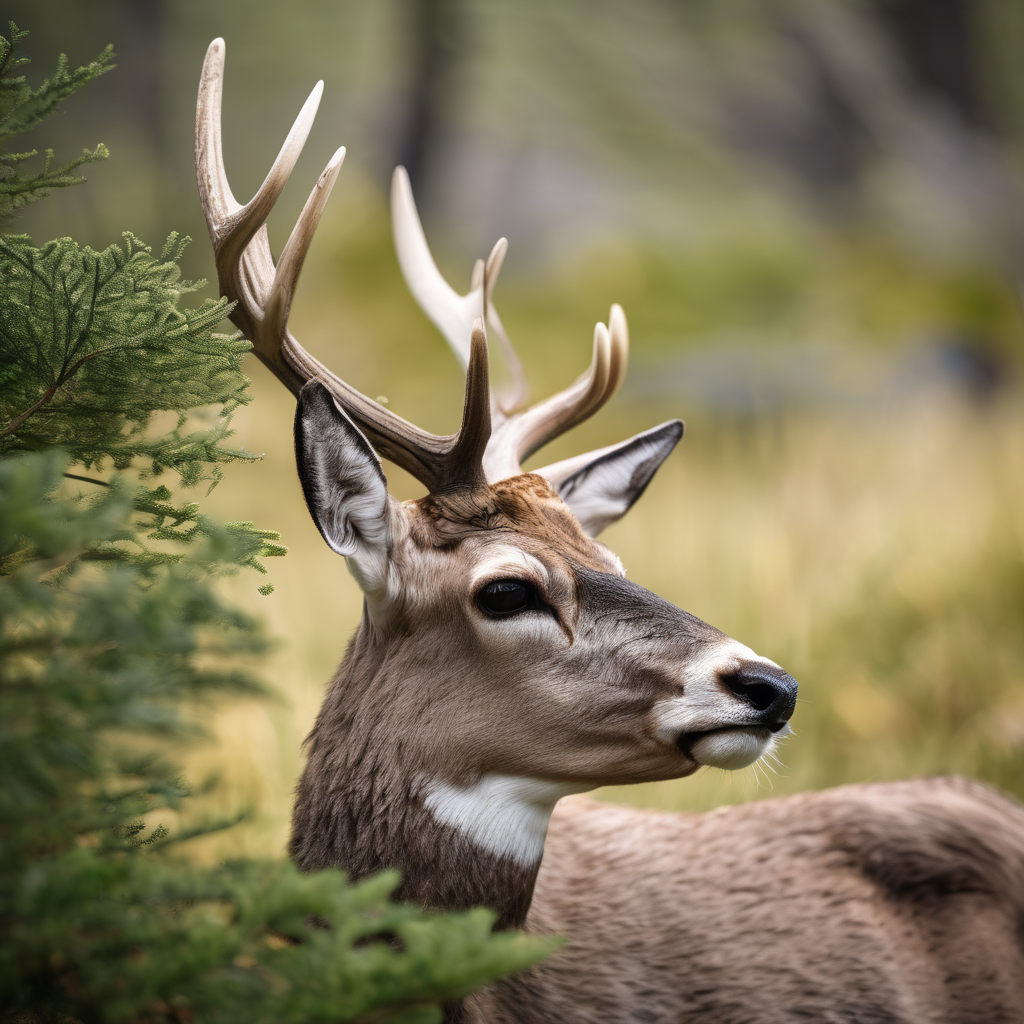
California wildlife officials have recently advanced a controversial plan that aims to eradicate a population of mule deer from Santa Catalina Island through extermination. This initiative has sparked a clash between local residents and the Catalina Island Conservancy, an environmental non-profit responsible for managing 88% of the island.
The conservancy argues that the mule deer, which are not indigenous to the island, pose a significant threat to local biodiversity, water quality, and fire resilience. In response, the California Department of Fish and Wildlife has issued a permit that permits the conservancy to gradually eliminate the herd, which currently numbers around 1,800, over the next five years. This will primarily involve hired shooters employing bait and, where legal, using helicopters and drones to locate and capture the deer. The plan includes measures to help locate any remaining deer as their numbers decrease, including using trained dogs.
Interestingly, the meat from the culled deer will serve a dual purpose: it will either feed captive birds involved in the California Condor Recovery Program or be distributed to tribal partners. Despite such measures, many island locals view the extermination as inhumane and argue that the deer have become an iconic part of Catalina’s landscape since their introduction for hunting purposes in the 1920s. An online petition titled “Stop the Slaughter of Mule Deer on Catalina Island” has gained nearly 23,000 signatures, reflecting widespread disapproval among the community.
Los Angeles County Supervisor Janice Hahn highlighted these sentiments, noting in a recent letter to wildlife officials that the proposed plan disregards the strong emotional connection many residents have to the deer. She emphasized that the presence of mule deer has become integral to the island’s identity.
Recreational hunting will still be permitted on the island, although the conservancy acknowledges that this method has not effectively reduced the deer population. The conservancy contends that the island’s native plants, which evolved without mule deer, lack defenses against their grazing, resulting in the decline of native flora and an increase in invasive grasses.
To combat this ecological issue, the conservancy intends to replant native species and control invasive vegetation as part of the deer culling efforts. This restoration aims to bolster habitats for endangered species like the Catalina Island fox and the Catalina Hutton’s vireo, a unique songbird native to the island. The conservancy maintains that the long-term ecological challenges on Catalina cannot be effectively addressed as long as the non-native mule deer remain a hindrance to habitat recovery and restoration.
The outcome of this plan will be critical not only for the island’s ecosystem but also for the community’s relationship with wildlife conservation efforts. As the situation unfolds, it highlights the delicate balance between environmental stewardship and local cultural values.