
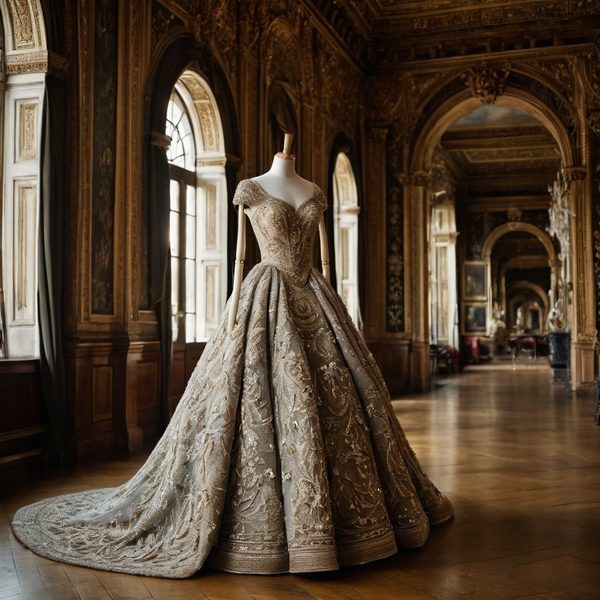
Buckingham Palace has opened what it calls the largest display of Queen Elizabeth II’s wardrobe ever assembled: Queen Elizabeth II: Her Life in Style, a 300‑piece exhibition at the King’s Gallery in London that runs from April 10 to Oct. 18, 2026. Curated by Caroline de Guitaut, Surveyor of the King’s Works of Art, the show brings together decades of royal dress — almost half of the items have never been exhibited publicly — and has already become the fastest‑selling exhibition the gallery has hosted.
The presentation is as theatrical as the clothes themselves. Visitors are led through dramatic reveals, including the Hartnell wedding gown inspired by Botticelli’s Primavera, a heavily embroidered confection that organisers say may be on view for the last time because of conservation concerns. Equally arresting on display is the monarch’s Coronation robe by Norman Hartnell, so encrusted with beadwork and symbolism that it appears almost sculptural on its own stand. Unlike some museum shows, many of the outfits here are not locked behind glass, a curatorial choice meant to make the garments feel more immediate and accessible.
Highlights range from show‑stopping evening gowns to everyday tailoring. The exhibition juxtaposes the monarch’s early, crinoline‑skirted Hartnell ballgowns with the sleeker sheaths of the 1960s by Hardy Amies, tracing a sartorial evolution from fairy‑tale princess to modern head of state. There are intimate archival pieces — the Queen Anne and Queen Caroline pearl necklaces worn by Princess Elizabeth at her wedding — alongside more surprising, lived‑in items such as a worn brown suede jacket that the catalogue suggests will appeal to a younger generation of visitors.
One image that encapsulates the exhibition’s knack for narrative is a 1956 photograph from the Royal Variety Performance. The picture shows a sartorial collision: Marilyn Monroe, in a plunging gold lamé gown, pictured beside Princess Elizabeth in a corseted black dress accented with emeralds and diamonds — an outfit that, the exhibition text notes, upstaged the Hollywood star. The curators use such moments to illuminate the ways Elizabeth shaped and deployed dress as public performance throughout her reign.
The show also makes clear the Queen’s role as a catalyst for British couture. Items from mid‑century designers sit alongside later commissions by royal dressmakers and contemporary designers who have cited the late monarch as muse, underscoring how the palace wardrobe helped sustain and spotlight the domestic fashion industry. Not everything is reverential; the display includes some of the more dubious millinery and Seventies chiffons, acknowledging that even a lifelong public figure has off moments.
Beyond fashion, the exhibition is framed as a life story: private tastes and small pleasures set against decades of statecraft and ceremony. De Guitaut’s curation invites reflection by situating costume within biography — the wardrobe charts shifts in politics, media scrutiny and personal agency from the princess’s youth through a long reign. Tickets are on sale via the Royal Collection Trust website for the six‑month run.