
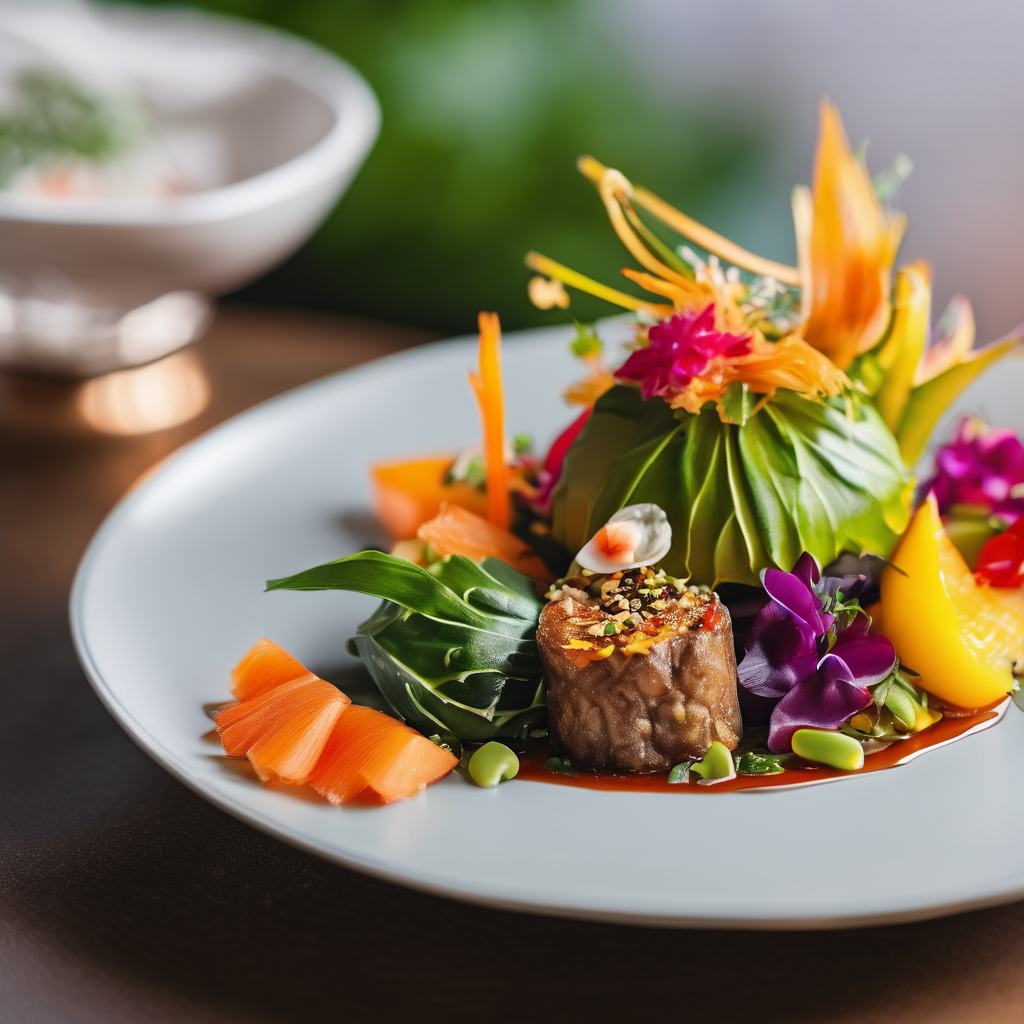
In some of Asia’s most vibrant cities, a culinary explosion awaits both travelers and locals, creating an unforgettable sensory experience. From bustling markets filled with fresh produce to sidewalks teeming with street food and fine dining establishments, these urban hubs are alive with an energy that sets the stage for culinary exploration. The MICHELIN Guide Inspectors have observed a rich tapestry of culinary traditions interacting with contemporary trends across nine Asian capitals, showcasing both heritage and innovation.
Seoul stands out with its individual dishes that define its gastronomic identity. This city, with its blend of the ancient and modern, thrives on flavors accumulated over 2,000 years. Dishes like gomtang and gejang anchor its diverse food scene. The city earned acclaim with the prominence of restaurants like Mingles, which was elevated to Three MICHELIN Stars, marking a significant milestone for modern Korean cuisine. Inspectors praise Seoul’s culinary landscape, which boasts a strong Bib Gourmand selection, reflecting its accessibility and variety.
Taipei, often overshadowed by other destinations, is a city where local ingredients resonate within global cuisines. Renowned for its balance between modern and natural settings, the city’s food culture reflects the relationship between traditional Taiwanese flavors and global culinary influences. Chef Ryohei Hieda’s Two-Starred Eika embodies this fusion, marrying Taiwanese and Japanese techniques with local produce.
Hong Kong’s dining scene captures a unique blend of traditional Cantonese classics and innovative flavors that appeal to contemporary palates. The city’s culinary offerings range from iconic dim sum to high-end dining experiences, and recent additions like Three-Starred Amber showcase its commitment to redefining global cuisines through a local lens.
Manila is emerging as a dynamic food destination that prioritizes personal and regional flavors over a mere presentation of Philippine cuisine. With a focus on family traditions, younger chefs are crafting menus rich in nostalgia and authenticity. Noteworthy spots like Linamnam celebrate this evolving style, and a shift towards informal dining atmospheres creates welcoming spaces for culinary connection.
In Singapore, the culinary narrative is woven through its diverse cultural composition. The city seamlessly blends hawker precision with sophisticated fine dining. Inspectors highlight restaurants like Seroja, where meticulous technique meets bold, local flavors, exemplifying Singapore’s vibrant and cohesive food identity.
Penang’s culinary scene remains deeply rooted in its hawker culture, charming food lovers with authentic regional dishes. Venues like Au Jardin merge French and Peranakan influences to create extraordinary dining experiences, while heritage kitchens preserve the island’s rich culinary history, inviting diners to explore its intricate flavors.
Bangkok is revitalizing interest in its provincial cuisines, with restaurants now highlighting local farmers and seasonal ingredients. Traditional recipes and modern presentations coexist harmoniously here, allowing diners to appreciate the rich culinary history alongside innovative approaches.
Ho Chi Minh City’s gastronomic landscape is rapidly evolving, with young chefs exploring ingredient-focused Vietnamese cuisine that embraces creativity while honoring traditional dishes. Restaurants like CieL and CoCo Dining are at the forefront, blending contemporary methods with street food traditions to create delightful dining experiences.
Lastly, Tokyo remains an unparalleled capital of culinary diversity, known for its unmatched number of MICHELIN-starred establishments. Restaurants across the city showcase a range of cuisines from traditional Japanese to international fare, all reflecting a commitment to quality and seasonality. Dish after dish, this city is a canvas where culinary art thrives.
These vibrant cities not only stand out as travel destinations for their sights and experiences but also as culinary landscapes worth exploring. The intertwining of tradition and modern innovation provides a rich backdrop for every meal, offering a unique invitation to savor and discover the flavors of Asia.