
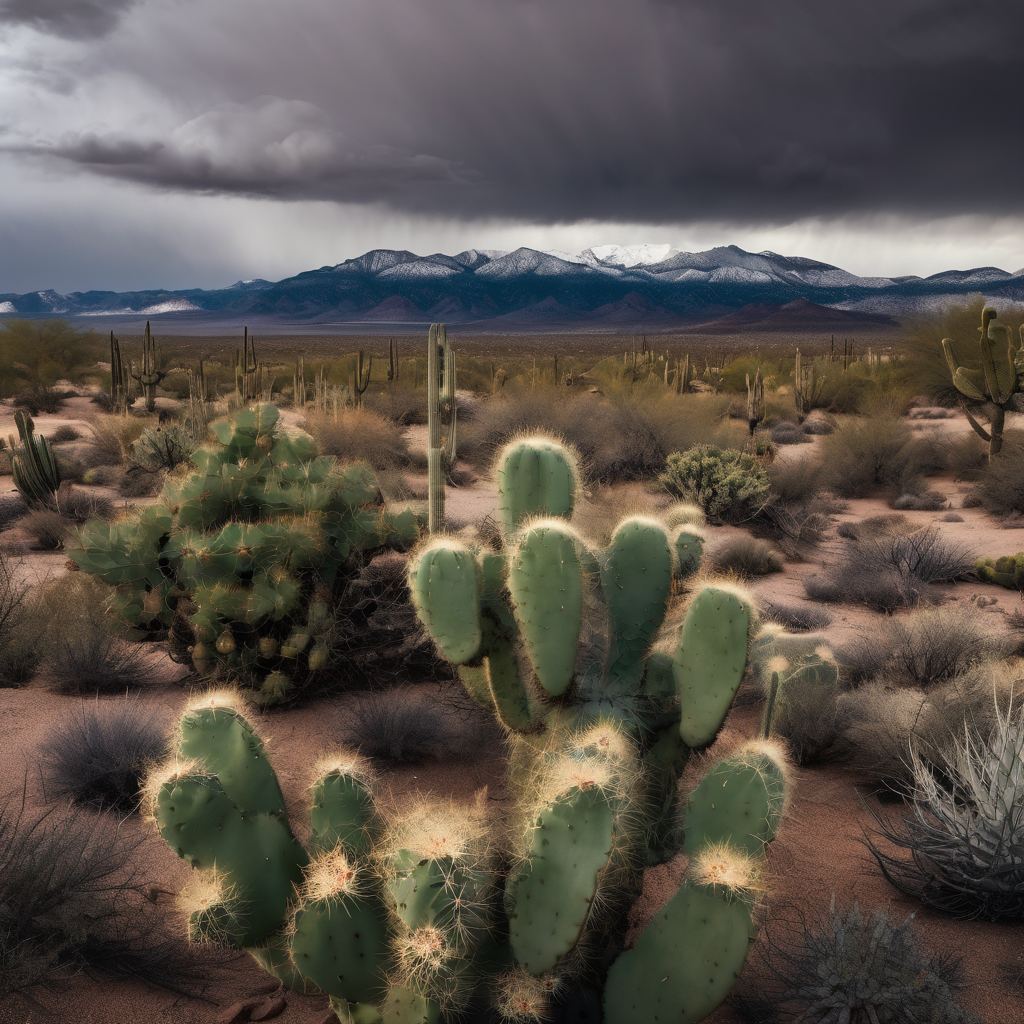
Thunder, hail, wind, and rain swept through downtown Phoenix on January 8 as Arizona experienced the effects of a second wave of storm systems. This colder wave followed a round of rain that began on January 7, with forecasters indicating that the most impactful weather would hit the state between 1 p.m. and 5 p.m. on the 8th.
The National Weather Service in Phoenix reported that the colder weather system would bring significant rain and strong winds throughout the urban area, while northern and eastern Arizona would likely see snow due to dropping temperatures. Ryan Worley, a meteorologist with the agency, noted the cold front’s approach could also trigger additional showers and possibly isolated thunderstorms. Higher elevations may experience snowfall, with accumulations ranging from a dusting to 1-2 inches.
In the Phoenix metro area, light rainfall was anticipated, with most locations expected to receive minimal amounts, although some communities could see more substantial precipitation if stronger storm cells develop. Thunderstorms may produce brief bursts of rain, strong winds, and even pea-sized hail. Meanwhile, temperatures in the valley will remain cooler, hovering around 62 degrees—five degrees below the seasonal average.
As the week progresses, the forecast indicates a potential drop in temperatures, especially on Friday and Saturday mornings, which could bring freezing conditions in areas on the outskirts of Phoenix. Residents are urged to take precautions to protect pets, plants, and plumbing.
Looking ahead, temperatures are expected to gradually rise over the weekend, reaching the mid-60s by January 11. The National Weather Service projects dry and calmer conditions to settle over the region starting January 9.
In northern Arizona, especially Flagstaff, January 8 is being identified as the most significant day for snowfall as colder air pushes into the area. Local meteorologist Paige Konieczny indicated that snow levels could drop to 5,000 feet, although the heaviest snow accumulation is expected to remain above 6,500 feet. Residents in Flagstaff could see totals of 3 to 6 inches as the storm continues through Thursday night.
Travel in these areas may be hazardous due to increased snowfall and wind, particularly on major highways such as Interstate 40 and Interstate 17. As the storm system moves away, conditions should improve by Friday, although colder temperatures will persist, with the possibility of overnight lows dipping to single digits in some regions.
This storm system highlights the dynamic weather patterns Arizona can experience, with an expected transition from inclement weather to more stable and warmer conditions in the days to follow.