
Hawaiian Airlines pilots have been given until April 30, 2026 to shave their beards as Alaska Airlines moves to standardize appearance rules across the merged carriers, marking one of the most visible operational changes stemming from Alaska’s 2025 acquisition of the Honolulu-based airline. The grooming update — which requires all pilots to be clean‑shaven with full enforcement beginning May 1, 2026 — affects roughly 1,200 active Hawaiian pilots and completes a transition period that airline management says is part of broader post‑merger integration.
For decades Hawaiian Airlines allowed a beard exception that carried cultural resonance for many on the islands. The policy was long presented as an accommodation honoring local traditions while remaining within Federal Aviation Administration guidelines; the practice operated without documented safety incidents, industry observers note. Under the new Alaska‑wide code, that decades‑old exception will end as uniform specifications, color standards and accessory guidelines are consolidated across both carriers’ operations.
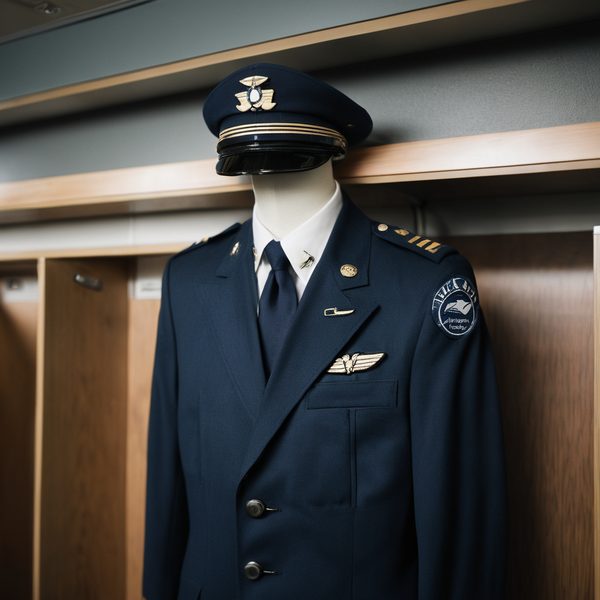
Alaska Airlines has framed the change as routine integration work after a major merger, saying unified appearance standards support operational consistency, brand identity and a professional presentation for passenger‑facing staff. The carrier has distributed training materials, compliance deadlines and enforcement mechanisms to Hawaiian pilots, and notified pilot groups in early 2026 about the forthcoming deadline. The grooming policy joins other alignment efforts including standardizing uniforms, safety protocols and operational procedures across the network.
The shift has prompted a mixed response among pilots and union representatives. The Air Line Pilots Association, which represents Hawaiian pilots, has been engaged on the matter and communicated with members, acknowledging management’s authority to set internal standards while raising transitional concerns. Some pilots have accepted the change as an inevitable outcome of consolidation; others have voiced unease that a visible element of Hawaiian Airlines’ distinct identity will be lost as the carrier becomes fully integrated into Alaska’s corporate culture.
Legally, the change rests on carriers’ discretion to impose appearance standards that are more restrictive than federal baselines. The FAA’s guidance does not explicitly ban beards but allows airlines to set and enforce their own grooming codes so long as they apply policies consistently and do not contravene safety requirements. Alaska’s decision to eliminate the beard exception therefore does not conflict with FAA rules, and regulators have not signaled any objections in public guidance cited by the carriers.
Passengers should not expect operational disruptions tied specifically to this grooming change, Alaska and Hawaiian officials say, but the policy is emblematic of broader cultural and operational changes that follow major airline mergers. As the April 30 cutoff approaches, pilot groups and management will continue discussions on implementation details and any requests for specific religious or medical accommodations, although Alaska’s published standards indicate a uniform approach across its combined workforce.