
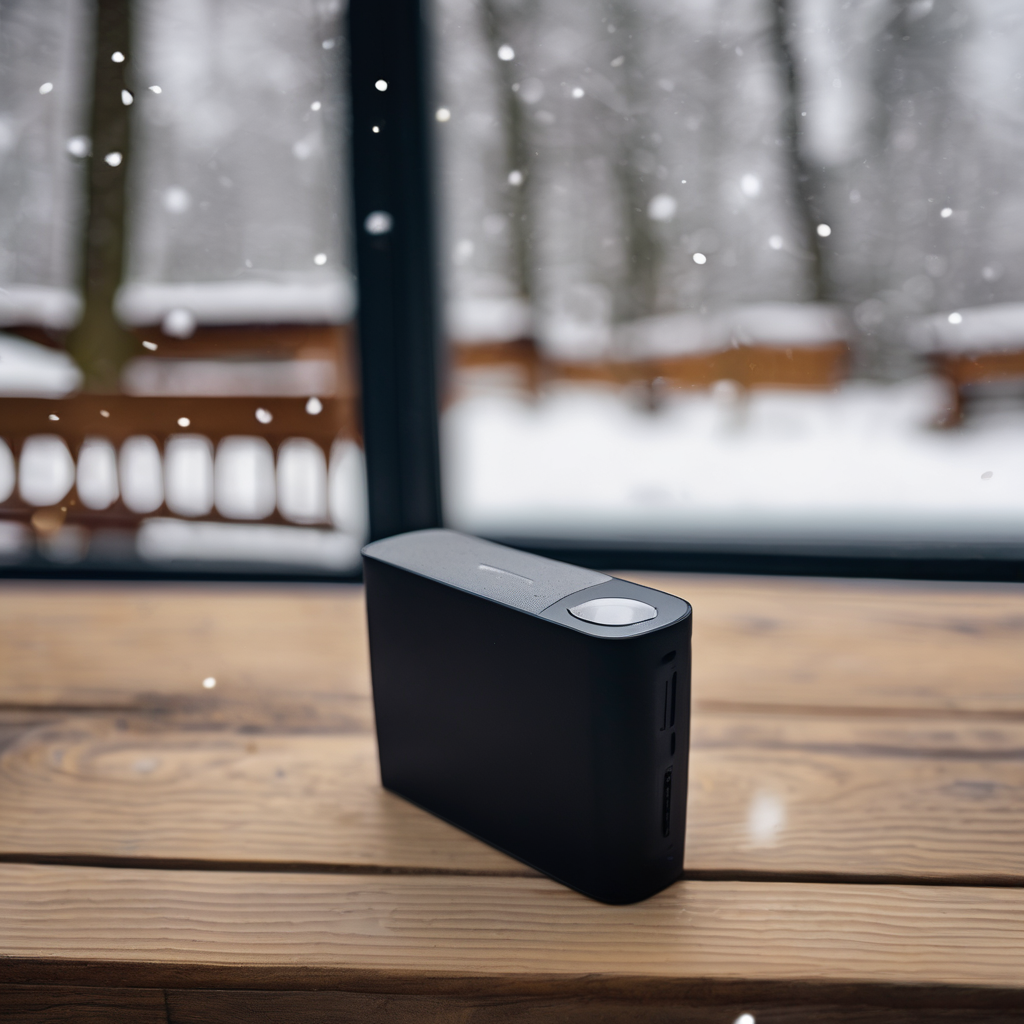
As winter approaches, the potential for severe winter storms increases, bringing the risk of power outages caused by snow, ice, and extreme cold. These outages can disrupt everyday life, leaving homes cold and dark. However, with proper preparation, residents can weather these situations with much less stress and discomfort.
First on the list of essential supplies is a propane burner. Ideal for camping, it can serve as a valuable resource for cooking if the power goes out. Ensure that any camping supplies you have are in working order and fully charged if they operate on batteries.
Another crucial item is a sleeping bag or emergency blanket. In the event of power loss, heating can quickly dissipate, so having extra blankets—and sleeping bags to retain warmth—can be very helpful.
A reliable flashlight is indispensable during these outages. Stock up on at least one flashlight and an ample supply of batteries to last several nights. Additionally, battery packs or power banks are recommended to keep cell phones and other essential devices charged during an outage.
Homeowners in areas susceptible to winter blackouts may also want to consider investing in a generator to maintain power to critical appliances and devices.
When it comes to sustaining your family during an outage, ensure your pantry is well-stocked with non-perishable food items, including snacks and no-cook options. Alongside this, keeping a supply of bottled water is vital in case of disruptions to your water source. Consider filling bathtubs with water prior to severe weather for non-drinking needs.
Candles can provide ambient light during outages and can be used sparingly to conserve flashlight batteries. Rechargeable light bulbs are also a good investment, as they remain functional regardless of power supply.
In the event of an outage, it’s crucial to keep doors closed to retain heat, and try to stay in one room with family and pets to maintain warmth. Layering with warm clothing and securing windows can also help keep the cold at bay.
It’s important to avoid using ovens or stoves for heat, as this poses serious risks, including carbon monoxide poisoning or fire hazards. Ensuring your home is prepared for cold weather, including sealing doors and utilizing curtains for insulation, can greatly enhance comfort levels during outages.
Power outages can result from multiple factors; extreme weather is the most common cause, followed by human error and excessive demand on the power grid. Historical data shows that, on average, outages last approximately two hours, although this can vary based on the situation. Staying informed by checking local news updates and utility providers can help residents manage the uncertainty.
Preparedness is key to navigating the challenges of winter storms and their aftermath. By equipping themselves with essential supplies and following safety precautions, families can remain warm and comfortable until stability is restored.