
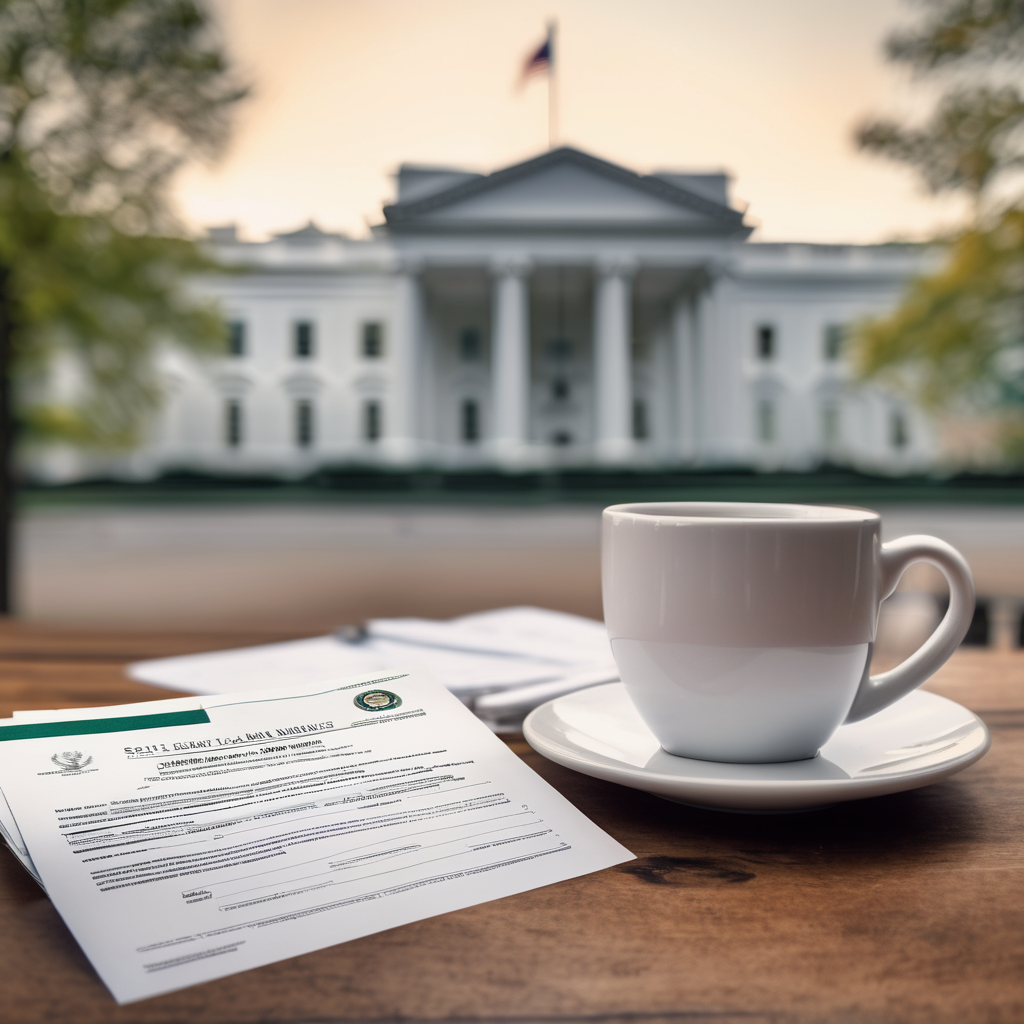
U.S. Education Secretary Linda McMahon announced a significant delay in the implementation of wage garnishment and other involuntary collection actions aimed at defaulted student loan borrowers during a press briefing at the White House on November 20, 2025. This decision will affect collections on federal student loans, which typically involve wage garnishments and the Treasury Offset Program that enables the government to seize payments such as tax refunds and Social Security benefits.
The Department of Education explained that the postponement is intended to allow the implementation of substantial reforms to student loan repayment under the Working Families Tax Cuts Act, also known as President Donald Trump’s “big beautiful bill.” This reform package aims to introduce new repayment options and strategies to help borrowers get their loans out of default. The announcement follows a statement made by Secretary McMahon earlier this week in Rhode Island, where she confirmed that garnishments would be temporarily suspended.
With over 42 million Americans holding student loans and a staggering collective debt of more than $1.6 trillion, according to the Congressional Research Service, the continuation of these reforms is crucial. The urgency of this matter has been underscored by the fact that student loan collection processes have been in a state of uncertainty. The Trump administration had previously announced in April that collection efforts would resume starting in May after being paused since 2020 due to the Covid-19 pandemic.
Historically, borrowers who fail to make timely monthly payments for over 270 days enter into default, allowing the federal government to seize up to 15% of their after-tax wages, along with a portion of their Social Security income and total tax refunds. It was projected in April that nearly 10 million borrowers could be in default, with recent estimates suggesting that around 9 million individuals currently find themselves in these circumstances.
The Department of Education’s announcement brings a sense of relief to many borrowers during an uncertain financial landscape, potentially paving the way for more flexible repayment solutions and ultimately helping to alleviate the burden of student debt in the United States.