
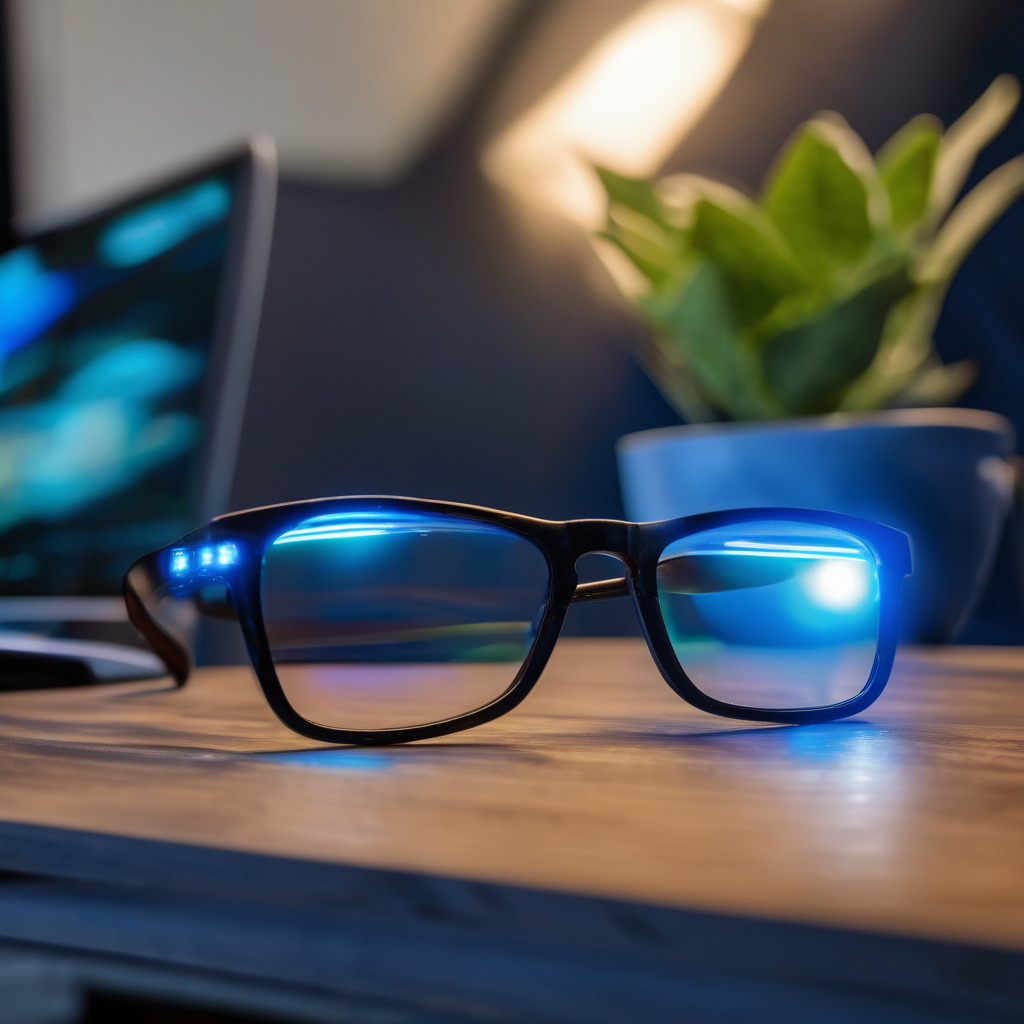
In the modern digital landscape, screens have woven themselves into the fabric of our daily existence. From office work on computers and scrolling through smartphones to relaxing with television shows or using tablets for leisure, our engagement with these devices is relentless. A significant concern arising from this constant interaction is the exposure to blue light, a high-energy visible light emitted by the sun and our electronic gadgets, which can adversely affect our eye health.
Excessive exposure to blue light can lead to symptoms such as eye strain and discomfort both indoors and outdoors. In response to these challenges, many individuals are turning to blue light glasses. These specialized eyewear options are crafted to filter or block a portion of the blue light produced by screens. Featuring protective coatings on their lenses, blue light glasses reduce glare and limit the amount of blue light that reaches the eyes, thereby enhancing visual comfort during extended screen usage.
One of the key benefits of these glasses is their capacity to alleviate symptoms associated with Computer Vision Syndrome, often manifested as eye strain. By minimizing harsh blue light exposure, wearers may experience less discomfort and a reduced frequency of headaches tied to prolonged device interaction.
Blue light glasses can be particularly advantageous for a broad range of individuals, including students, office workers, gamers, and anyone who spends a considerable amount of time in front of screens. While they are not universally applicable, they serve as an important tool in promoting eye comfort and healthier digital behaviors.
An exciting advancement in this realm is the introduction of blue light transition glasses. These innovative lenses adjust to varying light conditions, darkening in sunlight to provide protection from both blue light and UV rays, and transitioning back to clear indoors or in shaded areas. This capability not only enhances convenience and comfort but ensures comprehensive eye safety throughout the day without requiring users to switch eyewear.
As screens and sunlight are ubiquitous in contemporary life, prioritizing eye protection becomes essential. Blue light glasses, particularly transition models, offer an effective strategy for reducing eye strain, minimizing glare, and enhancing visual comfort. By implementing these protective measures, individuals can enjoy clearer vision and cultivate healthier screen habits. Embracing such simple changes can successfully contribute to maintaining eye health in our increasingly screen-centric world.