
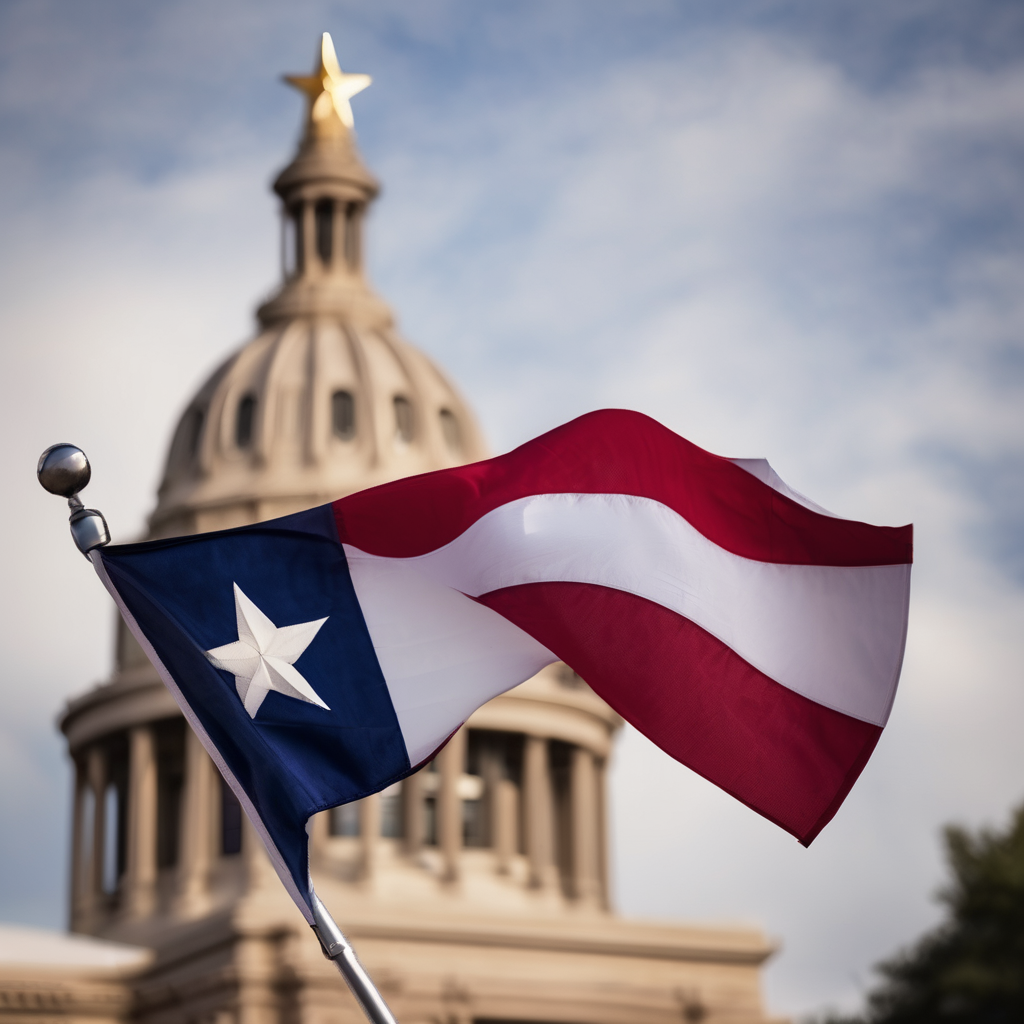
Texas is gearing up for its primary election on March 3, 2026, a critical event in the state’s electoral calendar as voters select nominees for statewide offices, congressional seats, legislative races, and certain local positions. This primary is the first significant step in the 2026 election cycle, ultimately shaping the candidates who will appear on the ballot for the general election in November.
The timeline for the primary election reveals several important dates for voters:
– The last day to register to vote is February 1, 2026.
– Early voting begins on February 17 and concludes on February 27, 2026.
– Those wishing to vote by mail must request their ballots by February 20, 2026.
– On March 3, voting will take place from 7 a.m. to 7 p.m.
Following the primary, a uniform election will occur on May 2, 2026, focusing on local contests such as school board positions and municipal measures, which significantly affect community governance. Key dates for the May uniform election include:
– Voter registration concludes on April 2, 2026.
– Early voting starts on April 20 and ends on April 28, 2026.
– Mail ballot requests are due by April 20, 2026.
– Election Day voting hours will remain from 7 a.m. to 7 p.m.
For candidates who do not secure over 50% of the votes during the primary, a runoff election is scheduled for May 26, 2026. Important dates for this runoff include:
– Voter registration closes on April 27, 2026.
– Early voting is available from May 9 to May 22, 2026.
– Mail ballot requests must be received by May 15, 2026.
– Election Day for the runoff is May 26, with voting hours also from 7 a.m. to 7 p.m.
Finally, the general election will take place on November 3, 2026, determining the officeholders for statewide positions, the Texas Legislature, the U.S. House, and other federal, state, and local offices. This election will feature party nominees, independents, and qualified third-party candidates, highlighting the diverse electoral landscape in Texas.
As anticipation builds, voters are encouraged to prepare ahead of these key dates to ensure their voices are heard in shaping the future of Texas governance. With an active electoral cycle ahead, citizen participation will be crucial in deciding the state’s political direction.