
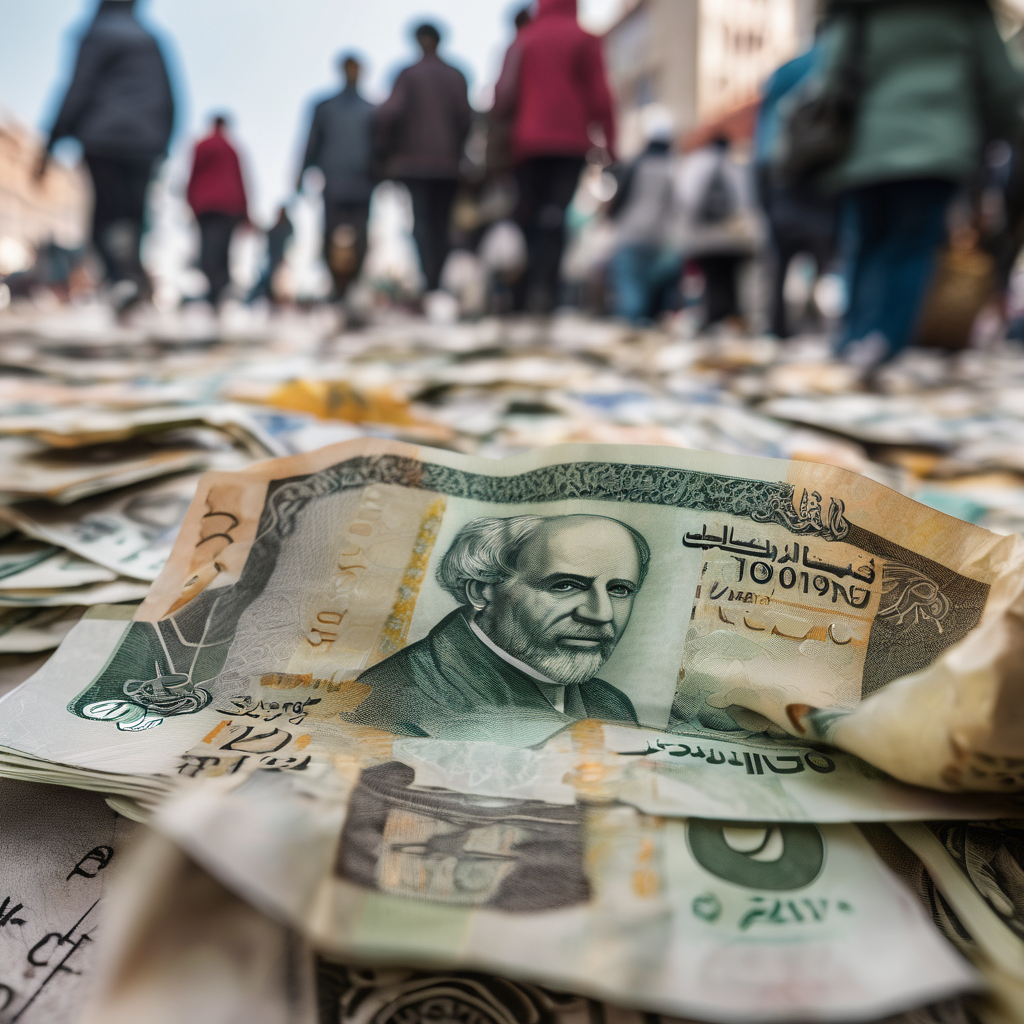
Protests erupted across Tehran in December, ignited by shopkeepers deeply frustrated with Iran’s deteriorating living conditions. As the Iranian populace grapples with a significant decline in their quality of life and mounting political stagnation, the demonstrations have intensified, drawing attention from various segments of society, including students and pensioners.
The immediate catalyst for the unrest was the dramatic drop in the Iranian rial’s value, which has lost over half its worth in the past year. A stark comparison reveals that while one U.S. dollar traded for about 250,000 rials in 2021, it soared to nearly 1.5 million rials last week. This financial crisis has wreaked havoc on the middle class, crippling purchasing power and destabilizing savings.
The protests began with merchants dependent on importing electrical goods, who found their sales plummeting as citizens could no longer afford such items. Echoing past demonstrations in 2017, 2019, and 2022, these protests have spread to cities such as Hamedan, Isfahan, and Lorestan, reinforcing calls for political change. Slogans like “Death to the dictator,” directly aimed at Supreme Leader Ayatollah Ali Khamenei, illustrate the growing frustration with the regime that has held power since 1989.
President Masoud Pezeshkian, who promised better governance during his election, is finding it increasingly difficult to manage the fallout. Despite declaring his commitment to the constitutional right to protest and pledging to meet with protest representatives, Pezeshkian’s control over security forces is limited, and numerous arrests have already taken place. As tensions escalated, protests saw clashes with police, and reports indicated violence against demonstrators in smaller towns.
Pezeshkian’s recent actions included dismissing the unpopular central bank governor, hoping to stabilize the economy with the appointment of pro-reform economist Abdolnasser Hemmati. However, reviving the economy amid international isolation and sanctions remains a monumental challenge. The monthly minimum wage barely covers essential living costs, leaving professionals to seek additional income through side jobs, while many citizens contemplate emigration for a better life.
The fear of military confrontations with Israel and the U.S. further complicates the situation. Protesters have voiced their frustrations not only about domestic policies but also about the regime’s foreign engagements, highlighting a disconnect between government expenditures on foreign militias and national welfare. This sentiment was encapsulated in chants expressing prioritization of Iran over external conflicts.
While the sentiment among Iranians and support from international figures hint at a desire for change, the path to achieving such transformation remains uncertain. The contrasting figures within the opposition, including support for exiled crown prince Reza Pahlavi, showcase the fragmentation among those opposing the regime. Despite brave displays of dissent, the lack of organized leadership threatens the longevity and effectiveness of the protests.
Even as many take to the streets, expressing solidarity and hope for a better future, the pervasive economic hardship dampens optimism about immediate changes within the regime. Iranians are confronted with the dual challenge of expressing their dissatisfaction while navigating the complex political landscape that has made genuine reform a daunting undertaking.