
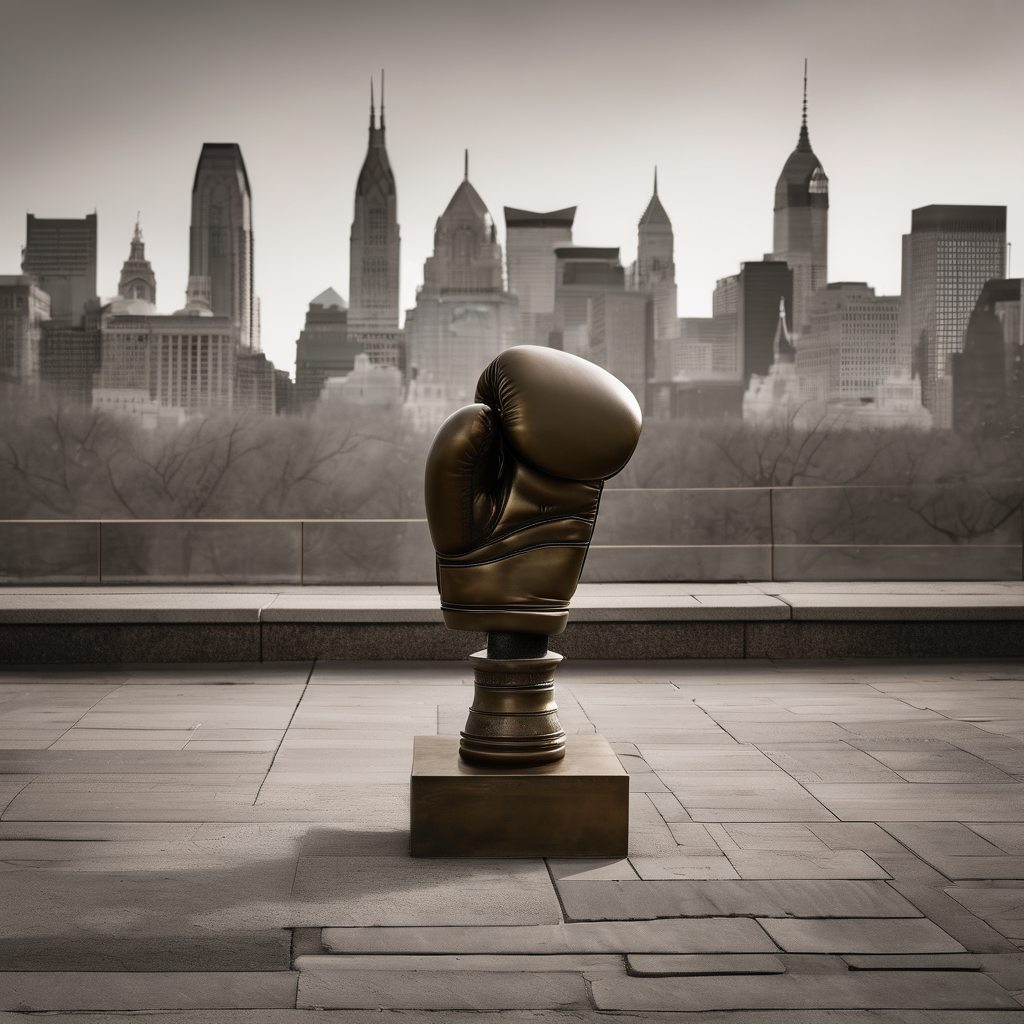
Philadelphia’s iconic Rocky statue saga took a surprising turn during a recent meeting of the Philadelphia Art Commission. Sylvester Stallone, the actor and original creator of the beloved sculpture, has backed away from plans to swap the original statue with a replica. This decision comes in response to significant public outcry regarding the statue’s potential relocation.
City officials announced that Stallone, who previously requested the return of the original statue to his possession, has decided against the swap after receiving “strong and heartfelt feedback from the public.” This change of heart reflects the passion Philadelphians have for the statue, which has become a symbol of the city.
“I’m sorry, Sly, man, you gave it to the city,” commented local resident Lars Jacoby, who emphasized that the statue should stay in Philadelphia. Many, like Jacoby, expressed their love for Stallone but also a desire for him to leave the piece in its rightful place. The Rocky statue is not just a piece of art; it represents a piece of Philadelphia’s history, attracting approximately 4 million visitors each year since its placement at the foot of the Art Museum’s steps.
The statue first appeared in “Rocky III,” commissioned by Stallone himself, who later donated it to the city. It has undergone several relocations but has remained a staple at its current location, where it enjoys an accessible position for fans and tourists alike.
While the current proposal would return a replica to Stallone and elevate the original to the top of the Art Museum steps, this raised concerns regarding accessibility. The climb involved—72 steps—could deter some visitors, leading many to advocate for a more inclusive solution. Residents, including Elizabeth Rivera, expressed their support for maintaining accessibility and suggested the need for a shuttle service to transport visitors between the bottom and top of the steps.
With the art commission requesting updated plans that would address these concerns, it seems the future of the Rocky statue remains at the forefront of community considerations. Philadelphia’s love for the statue has undoubtedly influenced these discussions, ensuring that its place in the city continues to resonate deeply with both locals and visitors alike. The emphasis on accessibility not only highlights the statue’s cultural importance but also the city’s commitment to inclusivity.