
For years, the significance of athletic recovery went largely unnoticed in the realm of performance culture—acknowledged as essential, yet seldom receiving the spotlight. Training programs concentrated primarily on factors like strength, speed, and strategy, relegating recovery to an afterthought, often only considered once injuries occurred. This trend has shifted dramatically over the last two decades, fueled by a new breed of athletes and innovators who recognize that availability, resilience, and minute advantages can determine championships and influence contracts.
Bradley Carden’s journey into the world of recovery technology was not planned; he initially dismissed red-light therapy as simplistic and lacking scientific rigor. “I thought it was BS,” he recalls, expressing skepticism about its efficacy. However, his perspective changed when he witnessed the solid evidence backing this therapy. Today, Carden leads Solbasium, a company trusted by numerous NFL teams, with its technology increasingly visible during major broadcasts.
Carden previously ventured into entrepreneurship with a startup focusing on wireless power, which ultimately did not succeed. This setback compelled him to reevaluate his goals and seek to create products that genuinely pushed industry boundaries. He found himself drawn to light therapy after conducting extensive reviews of clinical studies that confirmed its effectiveness in enhancing cellular function, reducing inflammation, and accelerating recovery.
The process culminated in a personal transformation when Carden utilized an early red-light device to alleviate a chronic elbow injury sustained from jiu-jitsu. The disappearance of his pain confirmed his belief in the therapy’s effectiveness, shaping his mission to develop practical and impactful recovery technology.
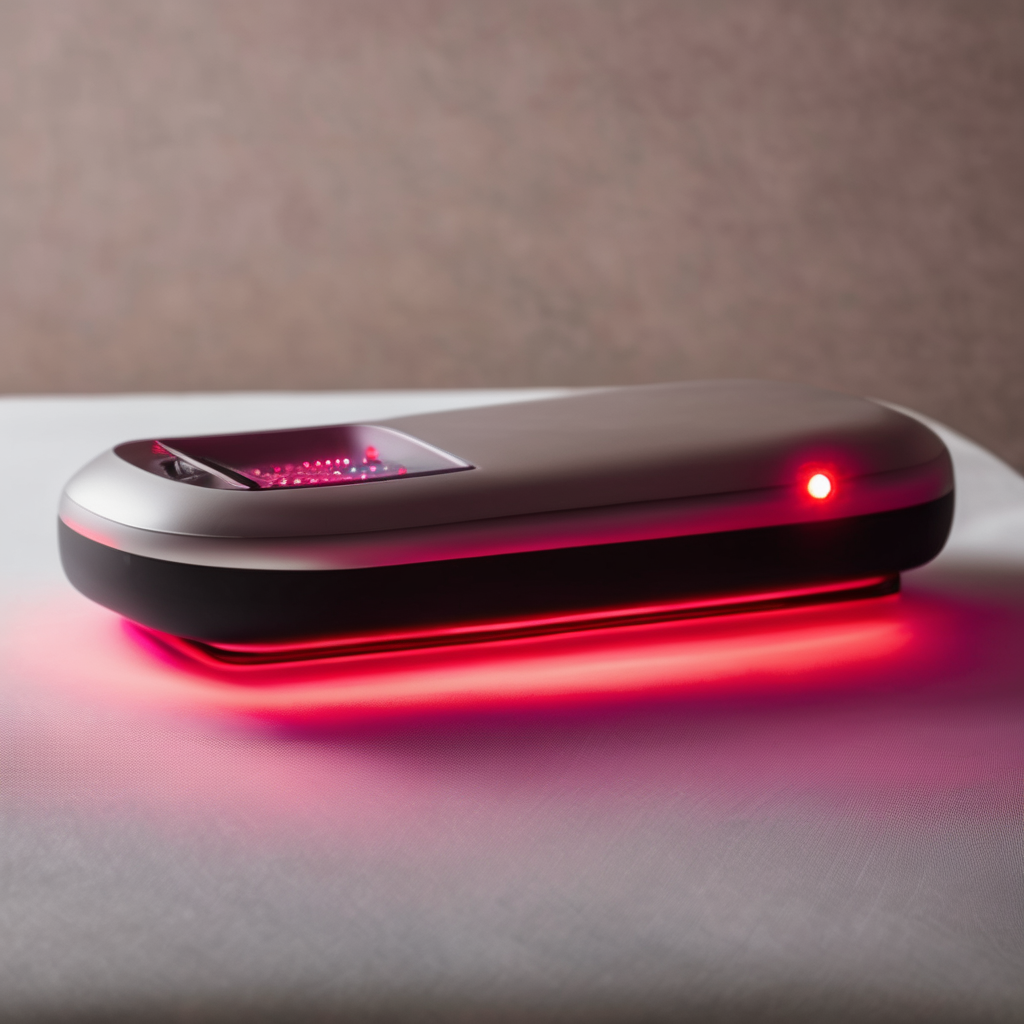
Red-light therapy operates by transmitting specific wavelengths of light that penetrate the skin, stimulating mitochondrial activity in cells, which in turn boosts ATP (adenosine triphosphate) production, reduces inflammation, and accelerates tissue recovery. Despite the scientific backing existing for decades, the technology was previously not tailored for high-performance environments. While massage guns dominated the recovery landscape, options were limited, often focusing more on cosmetic applications than athletic recovery.
Recognizing this gap, Carden sought to create devices athletes would actively use, emphasizing durability and measurable outcomes. He understood that within professional sports, where products need to withstand extreme conditions, a lack of reliability would lead to rejection.
Entering the challenging NFL market was not a straightforward task. Initial outreach to teams was often met with indifference. The turning point arrived unexpectedly when the Los Angeles Chargers reached out to test Solbasium’s Helios red-light bed. The feedback from players was overwhelmingly positive, and the validation came when star linebacker Khalil Mack personally credited the device for hastening his recovery. This public endorsement showcased the effectiveness of Solbasium’s technology, fostering growing acceptance across the league.
As players began to experience tangible recovery benefits, Solbasium gained traction. Collaborating with expert trainer Gunnar Peterson allowed the company to tailor its products to meet the needs of athletes effectively. Peterson’s extensive experience in training elite athletes provided invaluable insights into how recovery fits into performance, enhancing the design and application of Solbasium’s technologies.
Looking forward, Carden believes that recovery technology is on the brink of unprecedented innovation. By reinvesting most of their revenue back into research and development, Solbasium is forging ahead with new strategies like incorporating pulsed electromagnetic field (PEMF) therapy alongside red-light treatments, streamlining recovery options for athletes.
In a competitive sports environment where every fraction of a percentage matters, the importance of recovery is undeniable. As Carden puts it, “Championships are often decided by fractions.” Through evolving technologies, athletes can gain that much-needed competitive edge. With a future focused on composite recovery systems, Carden aims to create tailored solutions that will keep athletes safe, responsive, and ahead of their competition.