
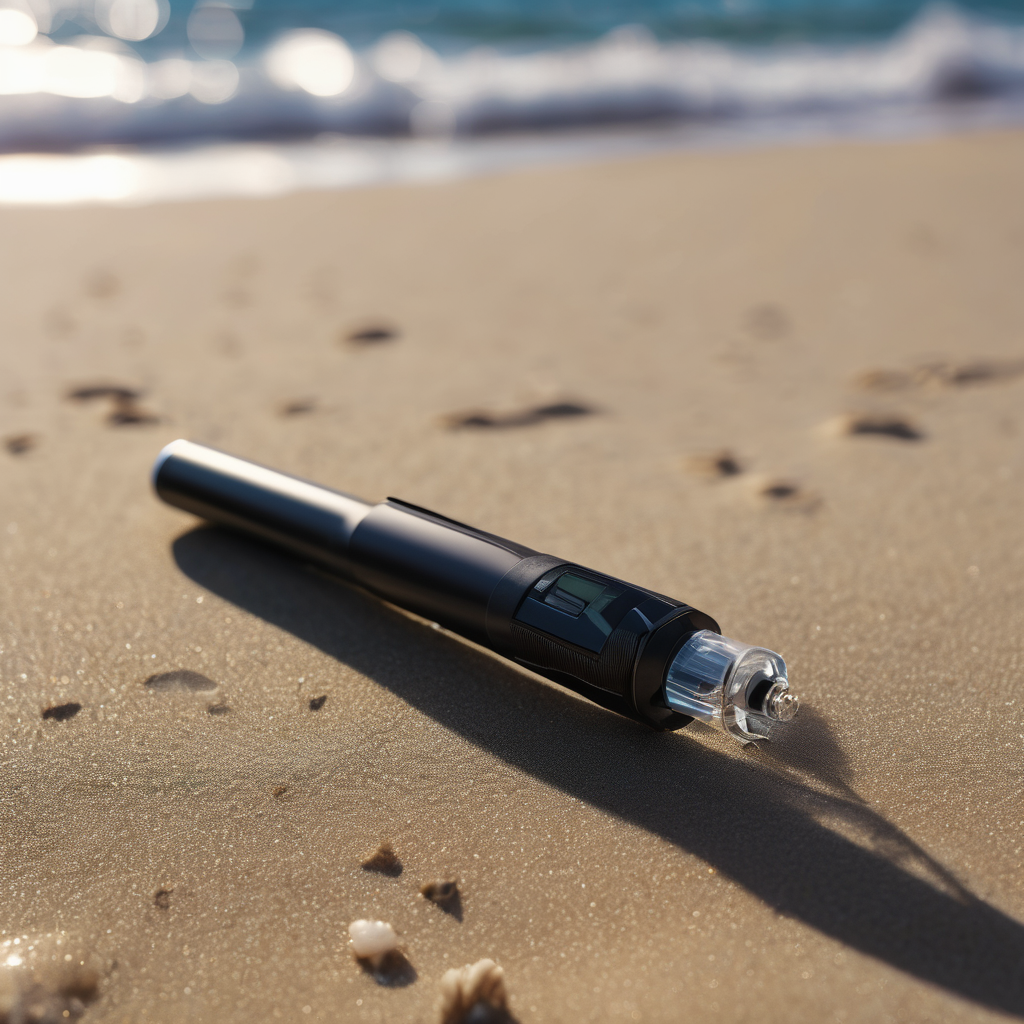
Vaping has emerged as a significant public health concern across the Pacific region, prompting governments to take decisive action amidst the expansion of a burgeoning black market. As an ingrained culture surrounding vaping persists, various territories struggle to implement effective legislative frameworks to manage the associated health risks.
By early 2026, the World Health Organization (WHO) and other international health authorities are responding to a “new wave” of nicotine addiction that predominantly affects young people. The situation is alarming, with over 100 million people globally involved in vaping, including approximately 15 million adolescents aged between 13 and 15. This has intensified calls for stricter regulatory measures to mitigate the potential health implications.
Vinayak M Prasad, Head of the WHO’s No Tobacco Unit, highlighted that targeted marketing strategies are particularly aimed at the youth. He stated, “Flavours, slick packaging, and deceptive marketing are being used to make highly addictive and harmful products seem fashionable. The result is a cycle of addiction threatening to undo years of tobacco control progress.”
In light of this public health crisis, several Pacific Islands have proactively established stringent regulations. Palau notably became the first Pacific Island to entirely ban electronic cigarettes in 2023, following the signing of a law by President Surangel Whipps Jr that prohibits import, advertising, sale, and use of e-cigarettes.
Papua New Guinea followed suit with a comprehensive ban instituted in May 2025, which makes the sale, importation, and distribution of all vaping products illegal, imposing harsh penalties for violations. Similarly, the Cook Islands enacted legislation to ban the sale and importation of imitation tobacco products, including vapes, although travelers over 21 years old can bring one device and up to 30ml of e-liquid for personal use, provided it is removed before departure.
The Solomon Islands, which previously had less stringent regulations, announced in June 2025 plans to amend the Tobacco Act of 2010 to specifically address e-cigarettes and to prohibit their promotion.
In Fiji, while vaping remains legal, it has come under increasing regulation as part of the Tobacco Control Decree. Retailers now must register to sell vaping products, and sales are restricted in certain areas. The Fiji Revenue and Customs Service (FRCS) reported a rise in online advertisements for vaping products and is currently investigating unauthorized importations. They remind the public that importing vape products for commercial purposes necessitates an official permit from the Ministry of Health and Medical Services (MOHMS). In a striking incident, a recent consignment was confiscated due to lacking a valid permit and a discrepancy in declared quantity.
Officials are emphasizing the importance of compliance with importation regulations and encourage individuals and businesses intending to import vape products to consult with the MOHMS. This collaborative approach demonstrates a commitment to address the rising vaping challenges in the Pacific, ultimately prioritizing public health, particularly for the younger generation. Through these united efforts, there is hope for a healthier future across the region as governments take strides to combat the vaping epidemic.