
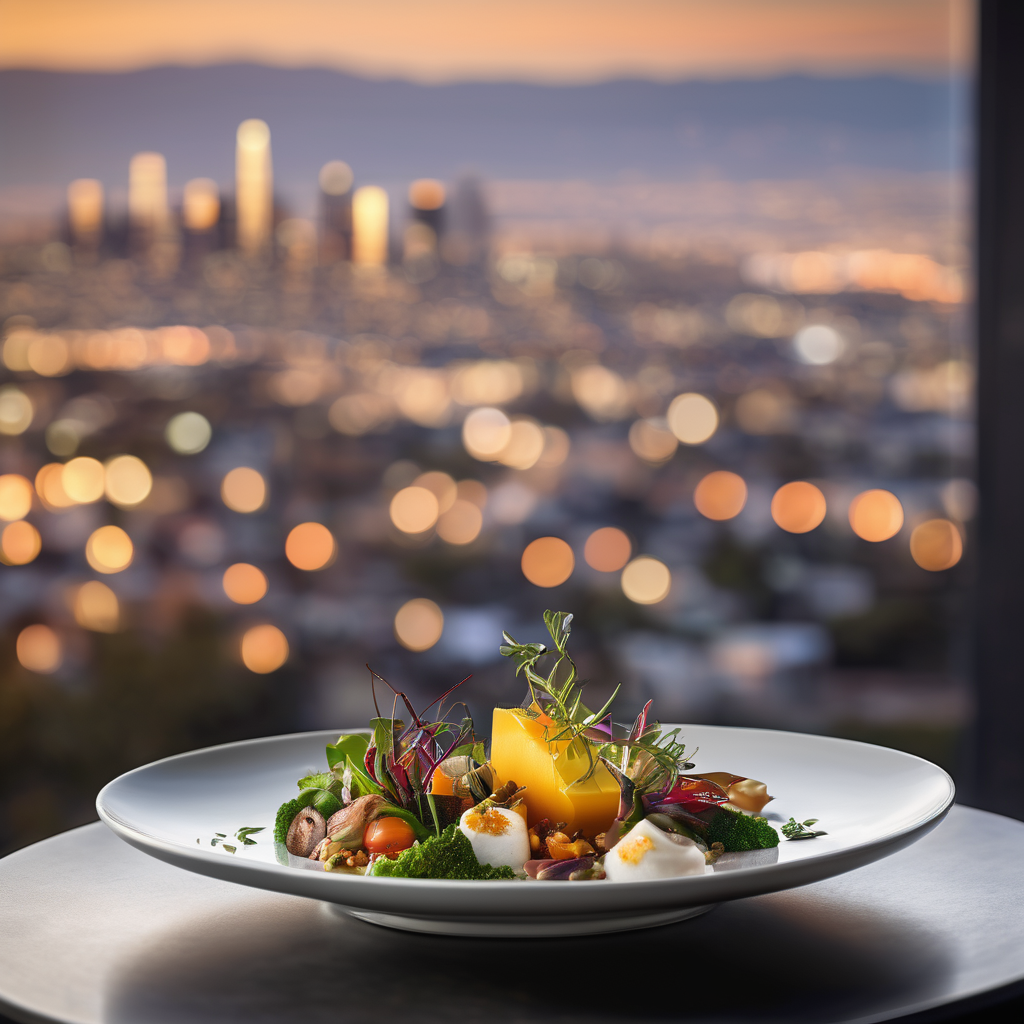
Noma’s $1,500-per-person residency has made its debut in Los Angeles, a city still recovering from the impacts of devastating wildfires and closures in the restaurant industry. The arrival of the world-renowned restaurant is eliciting a complex mix of emotions among local chefs, farmers, and producers, who are navigating feelings of hope, frustration, and opportunity.
Noma, the culinary institution led by René Redzepi, launched its residency in Silver Lake this spring, aiming to highlight California’s regional ingredients while featuring an exclusive all-California wine list sourced from local producers. As the city grapples with the aftermath of a tumultuous period for the restaurant sector, the timing of Noma’s introduction is significant.
The Los Angeles culinary landscape has faced considerable challenges in recent years, with many restaurants shuttering due to wildfires, immigration enforcement, and other dire circumstances. This has left an indelible mark on the industry, which often operates on thin margins. Into this environment comes Noma, a restaurant with immense cultural influence, prompting varied reactions from the community.
While some local food figures welcome the attention brought by Noma, arguing that food tourism can benefit neighborhood restaurants and the broader culinary scene, the price point raises serious questions about the accessibility of fine dining. Critics emphasize the implications of such high prices, highlighting concerns about transparency and the potential for local suppliers to feel exploited rather than valued.
Noma’s commitment to an all-natural California wine list reflects a changing perception of the state’s wine identity, moving beyond traditional regions like Napa and Sonoma to celebrate diverse microclimates and lesser-known areas. This focus on local sourcing also extends to the restaurant’s innovative use of native California ingredients, pushing the boundaries of culinary exploration.
However, Noma’s arrival is not without controversy. Questions about past workplace culture and the current status of its operational practices linger in the minds of many, casting a shadow over the restaurant’s prestigious reputation. For a city whose food industry has endured significant hardship, the need for genuine partnership and support from establishments like Noma is more urgent than ever.
The emphasis on plant-forward dining represents a meaningful evolution in fine dining, influencing how chefs and consumers view vegetables and foraging. Noma’s residency could inspire a shift in perception toward California’s produce, with potential ripple effects felt throughout the culinary community.
While some express skepticism about whether Noma will act as a true ally to Los Angeles’s struggling food scene, there remains a cautious optimism. The presence of such a high-profile restaurant may indeed attract attention to local producers and elevate the city’s place among culinary destinations worldwide.
As the community awaits the outcomes of Noma’s residency, local restaurants still deserve support. Diners do not need a luxury reservation to contribute; simply engaging with the vibrant food scene can help uplift the entire local community.