
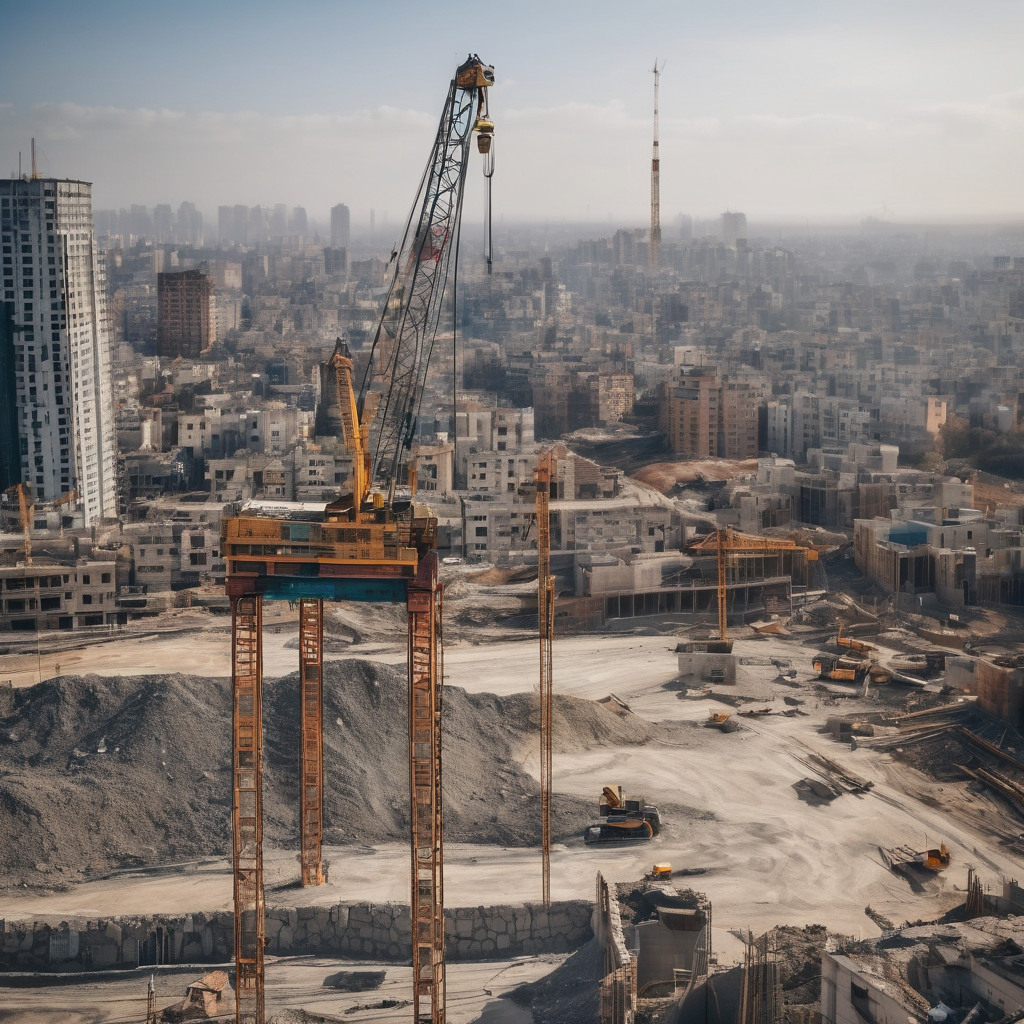
MOSCOW — Ahmad al-Sharaa, the interim President of Syria, made his second visit to Moscow in less than four months, where Russian President Vladimir Putin reiterated his commitment to assist Syria in rebuilding its war-stricken economy. During the talks, Putin acknowledged the critical need for reconstruction, particularly in the construction sector, and expressed readiness for collaborative efforts.
The discussions also addressed the future of Russian military bases in Syria, which serve as a vital foothold for Moscow in the Mediterranean region. Putin highlighted Russia’s support for the Syrian government’s objective to regain control over its entire territory, including regions governed by Kurdish forces. He commended al-Sharaa on the accelerating efforts toward restoring Syria’s territorial integrity, a project Russia has long championed.
Al-Sharaa, who previously visited Russia in October, expressed gratitude towards Putin for his role in stabilizing the country. Notably, the interim president led a rapid rebel offensive that resulted in the ousting of former President Bashar Assad in December 2024, a leader who enjoyed significant backing from Moscow during Syria’s lengthy civil war.
While Russian forces have begun withdrawing from northeastern Syria—an area primarily held by the Kurdish-led Syrian Democratic Forces—Putin’s government has taken a strategic interest in maintaining its military presence. Russia’s naval and air bases along Syria’s coast are pivotal, being the only such installations outside the former Soviet Union, crucial for sustaining Russia’s military foothold in the region. Russian authorities are hopeful for negotiations to secure the future of the Hmeimim air base and the naval installation in Tartus.
Kremlin spokesman Dmitry Peskov indicated that the upcoming discussions would include all matters related to Russia’s military position in Syria. Despite past tensions during the civil war, the interim government has shown willingness to strengthen ties with Moscow, aiming to leverage Russian support to rejuvenate a nation scarred by years of conflict. This evolving relationship illustrates a potential pathway towards rebuilding Syria and diversifying its foreign relations.