
Formula 1’s first pre-season test for the 2026 season concluded recently, generating a mix of enthusiasm and frustration among teams and fans alike. While no team can determine their championship trajectory from a five-day event where teams were limited to three days of running, the outcomes have sparked notable reactions across the grid.
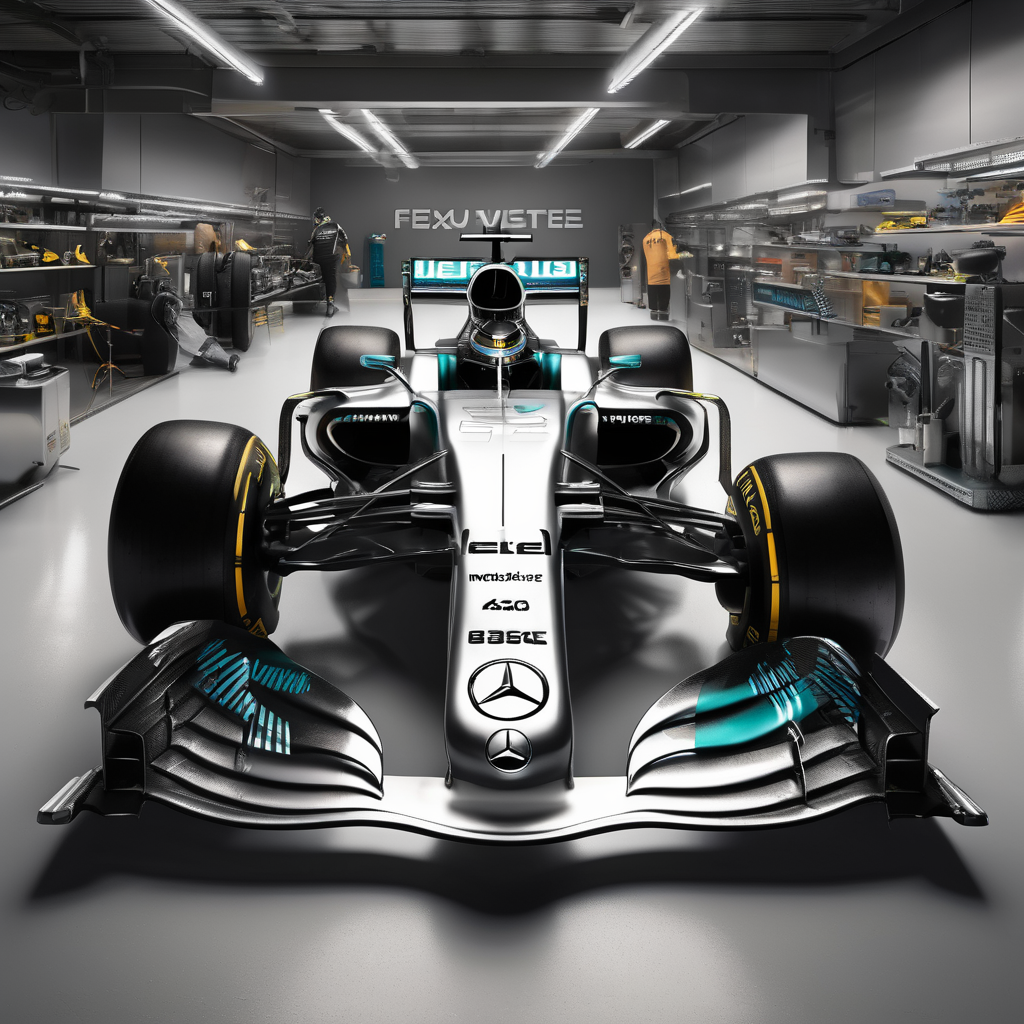
Mercedes emerged as a clear winner, shifting the narrative about their status in 2026 from speculation to confirmed performance. The team demonstrated impressive reliability and pace throughout the test, running extensively and eliciting excitement from fans and insiders, despite the absence of public attendees. The optimism expressed by drivers and team personnel hints at a potentially dominant season ahead, marking Mercedes as a firm favorite.
Conversely, the 2026 pre-season test highlighted challenges for Formula 1’s image, revealing a lack of goodwill among fans. The test format was heavily criticized as teams operated in a tightened security environment, with media and fan access severely restricted. This atmosphere left many feeling distanced from the excitement of the sport, with many longing for a more open approach to pre-season testing. Such a climate suggests that the league may not be capitalizing on its current popularity with fans eager for updates and transparency.
Ferrari also found a silver lining, surprising everyone by clocking the fastest time on the final day of testing. Despite not overshadowing Mercedes’ dominant performance, Ferrari displayed consistency and potential, hinting that their preparations could lead to competitive performances when it counts.
On the other hand, Williams faced significant criticism by not participating in the Barcelona test. Team principal James Vowles explained the absence stemmed from a focus on long-term development strategies, yet it highlighted a lack of visibility for a team eager to return to the midfield. Their absence during the crucial early testing phase raised concerns about their readiness for the new season, especially given their promise to improve after decades of struggles.
Red Bull Powertrains performed admirably, showcasing a reliable engine that impressed both their drivers and rivals, crucial as they prepare for a pivotal season of development. However, Audi’s performance raised eyebrows, with the team gradually improving but still lagging behind competitors in terms of laps completed, complicating their integration into the sport.
Overall, one positive takeaway from the test was the strong reliability observed across many teams. The mileage achieved by multiple teams, far surpassing previous testing benchmarks, indicates considerable progress in vehicle performance and durability. This trend creates an optimistic outlook for the season ahead as teams gear up for championship battles without significant mechanical failures overshadowing their early races.
Nevertheless, the pervasive secrecy surrounding the event has left many questioning its effectiveness in fostering fan engagement and team transparency. As the 2026 season draws near, the challenge lies ahead for F1 in balancing competitiveness with shared excitement and access for the sport’s passionate community.