
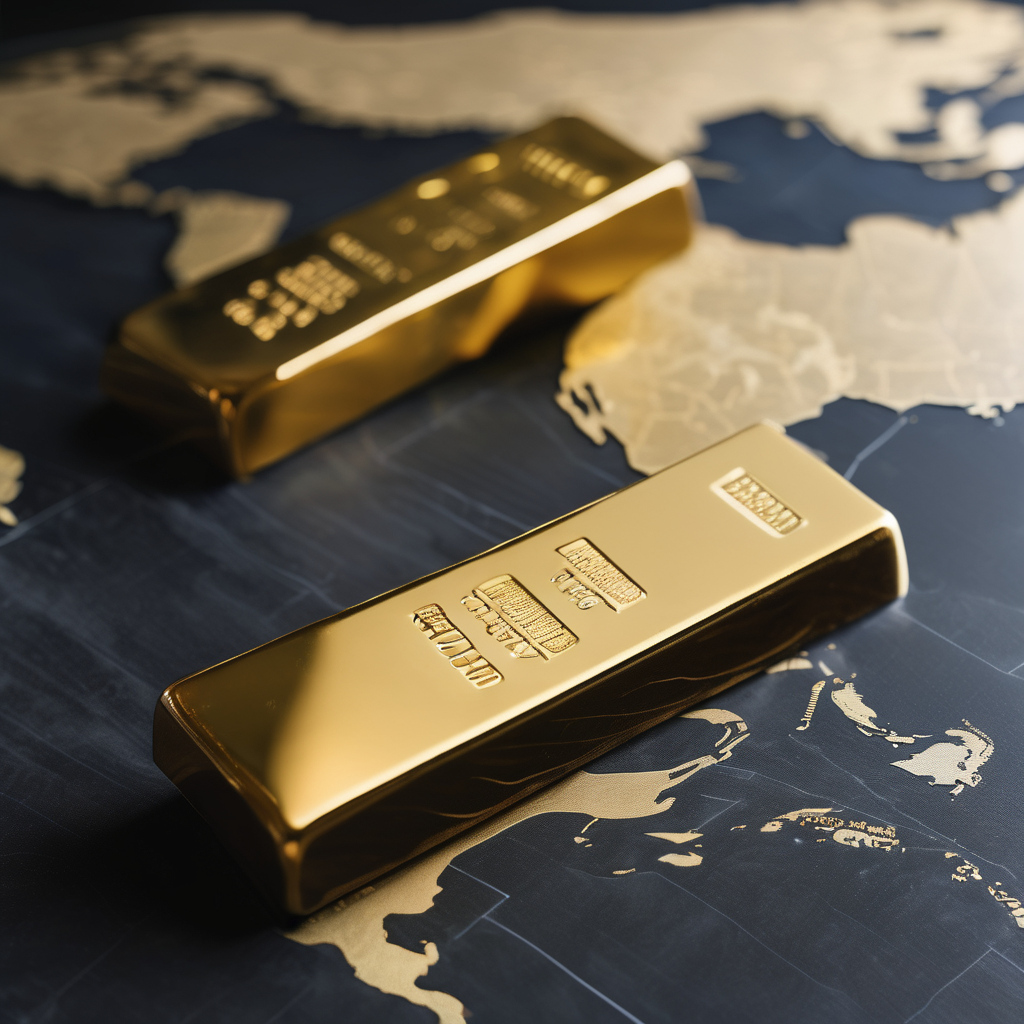
Gold futures experienced a modest pullback on Monday after peaking at $5,400 per ounce, driven by escalating geopolitical tensions in the Middle East that have pushed investors toward safe-haven assets. Analysts at JPMorgan predict a potential increase in gold prices by 5% to 10% amid fears stemming from US-Israel military actions against Iran and subsequent counterattacks in the region.
According to JPMorgan analysts, while these geopolitical uncertainties can cause sharp price fluctuations, such increases may not be sustainable in the long run. They highlighted that if the conflict diminishes or if stock market declines force investors to liquidate assets for liquidity, gold prices could retreat. On the same day, US stocks opened lower, signaling ongoing market unease.
Despite the anticipated short-term volatility, JPMorgan maintains an optimistic outlook for gold. The firm forecasts that demand from central banks and investors will eventually drive gold prices to $6,300 per ounce by the end of 2026. Analyst Patrick Jones noted that while the increased geopolitical risk contributes to a bullish sentiment towards gold, it is not the only factor reinforcing their long-term positive stance on the metal.
A prolonged conflict could amplify underlying factors influencing gold prices, such as escalating national deficits and the potential for a worsening economic environment, especially if oil prices continue to rise. As of Monday, gold prices were approximately $200 shy of their all-time high recorded in January, capping off eight consecutive months of growth.
Year-to-date, gold has surged by 21%, buoyed by central bank purchases, reduced interest rates, and a weaker dollar, enhancing its appeal as an investment. Expert Robin Brooks from the Brookings Institution commented on the outlook for 2026, suggesting it could mirror 2025 at an accelerated pace.
In contrast, other precious metals saw declines, with silver futures dropping by 3% on Monday, even though it remains up 17% for the year. Palladium and platinum also retreated as the US dollar strengthened, yet both metals continue to show positive performance for the year. The market’s current dynamics reflect a complex interplay of geopolitical factors and basic economic principles that are shaping the future landscape of investments in precious metals.