
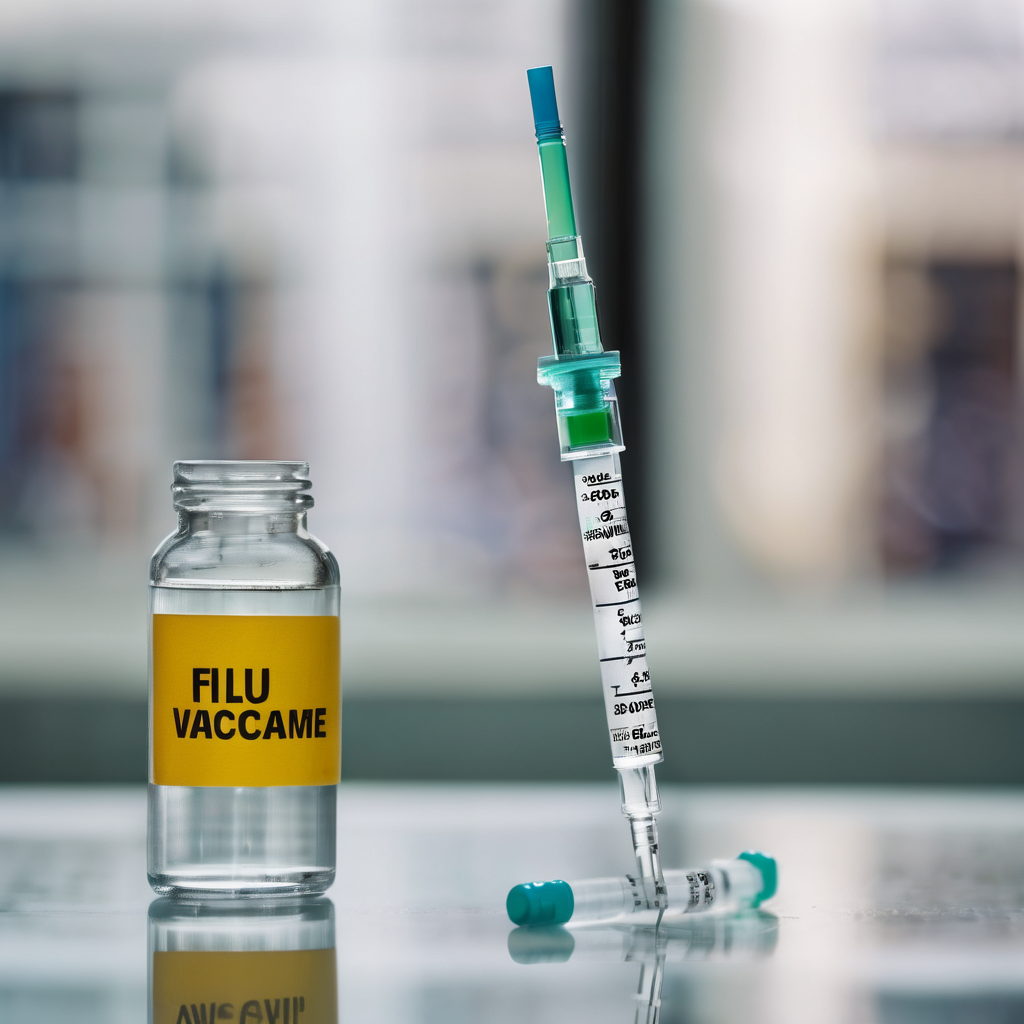
Health officials have confirmed that simultaneous vaccination against flu and COVID-19 is safe, as the country grapples with a surge in flu cases, particularly a concerning new super flu strain known as subclade K. Notably, this strain is not included in this year’s flu vaccine, which has raised alarms among public health experts.
As of Friday, the United States has witnessed a 14.3% increase in hospitalizations attributed to the flu, according to data from the Centers for Disease Control and Prevention (CDC). States like New York, Louisiana, and Colorado are currently experiencing notable spikes in flu cases, with New Jersey and Rhode Island also reporting high activity levels, based on the latest information from December 13.
The super flu strain, subclade K, has emerged as a dominant variant, with early reports indicating that it is present in 90% of influenza A viruses sampled. Notably, the current flu vaccine does not target influenza A, which is particularly dangerous for the elderly demographic who typically suffer the most severe consequences from flu infections. Public health experts still recommend getting vaccinated, as even though the vaccine may not prevent infection from this strain, it can help mitigate symptoms.
Flu symptoms can manifest as fever, chills, sore throat, cough, muscle aches, fatigue, and in some cases, gastrointestinal issues like vomiting or diarrhea. While many individuals recover within a few days to a couple of weeks, there is a risk of severe complications, including pneumonia, which can be fatal.
As we move deeper into the flu season, which stretches through February, health authorities anticipate continued spread across the nation. It remains crucial for the public to take preventive measures, including vaccination, to reduce the impact of this and other flu strains during this challenging season.