
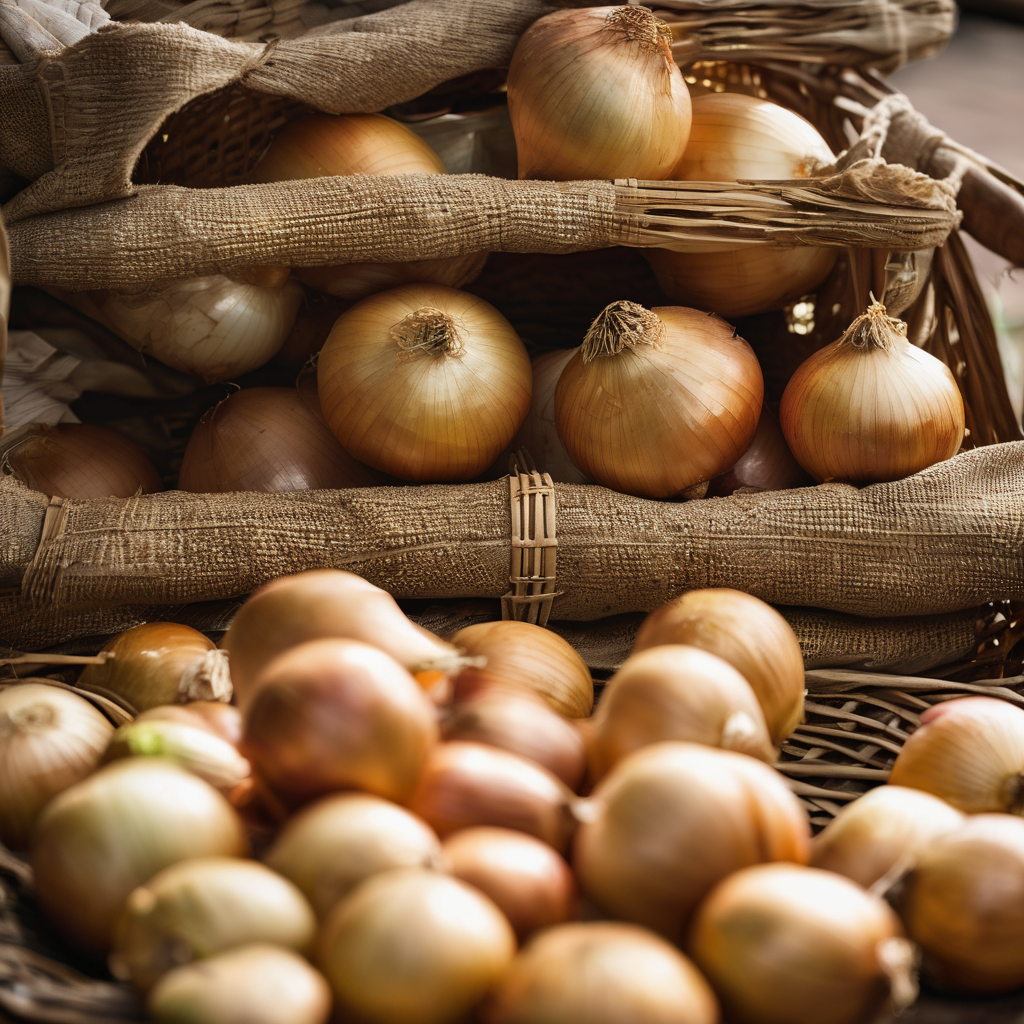
On November 14, 1984, a landmark moment for Fiji’s agricultural sector was highlighted by an article in *The Fiji Times*, detailing the introduction of onion farming which quickly became an overwhelming success due to comprehensive crop testing and funding initiatives. A remarkable yield of 350 tonnes of onions was produced by a farmer in Yaqara, Tavua, marking Fiji’s inaugural commercial onion crop.
The festivities surrounding this achievement included a ribbon-cutting ceremony led by then Prime Minister, Ratu Sir Kamisese Mara, just a day earlier, which opened access to a sizable storage shed housing 1,700 bags of the freshly harvested onions. Addressing a robust audience, the Prime Minister praised the collective effort put forth in the project, stating, “Today we see human effort bearing fruit,” and he expressed his confidence in the sustainability and future success of the venture.
This initiative was undertaken by Yaqara Projects Ltd, in collaboration with Australian agriculturist Dr. Peter Blood, working on a 75-25 equity basis. This newly formed company became a subsidiary of Yaqara Pastoral Co. Ltd, with directors including Abdul Yusuf, chairman of the parent company, Dr. Blood, and Dan Costello from Lautoka. The project had garnered significant support from Australia, with a confirmed $312,000 in aid allocated to cover Yaqara’s equity contribution from the Australian Development Assistance Bureau.
Dr. Blood indicated that after favorable trials the previous year, onion varieties were cultivated over eight hectares, yielding substantial results. Looking ahead, the project anticipates expanding its production to 40 hectares in the subsequent season and venturing into garlic farming, which has also shown potential.
While there were challenges associated with weeds and onion diseases, Dr. Blood highlighted that these issues were manageable. He noted that weeds were kept in check until the bulbing stage of the onions commenced, indicating successful initial control measures.
Yusuf emphasized the rationale behind selecting onions for cultivation, citing previous trial successes and the significant financial burden of importing onions, which cost Fiji around $2 million in recent years. He projected that wage earnings from casual labor associated with the project would exceed $30,000 when the entire 100 acres came into production by 1985-86.
With the promising potential of local onions, Yusuf advocated for existing distributors to buy and manage the distribution of these homegrown crops while suggesting that government intervention may be necessary to prevent market disruptions as more onions enter the market in subsequent seasons.
Prime Minister Ratu Mara underscored the project’s importance in diversifying the economy according to policies aimed at import substitution and enhancing domestic food production. He contrasted the local onions, which he affirmed were as good as, if not better than, their imported counterparts, and noted the advantages of growing them successfully in the low rainfall and unique soil conditions of Yaqara.
Ian Thomson, chairman of the Economic Development Board, welcomed this advancement, particularly given that the previous year’s onion imports reached a staggering 4,724 tonnes, costing $1.04 million, while the current year’s figures indicated a rise to $1.52 million. This growth in local agricultural production not only symbolizes a step towards self-sufficiency but also presents an opportunity for sustainable economic development in Fiji, showcasing the potential of local initiatives to meet domestic needs effectively.