
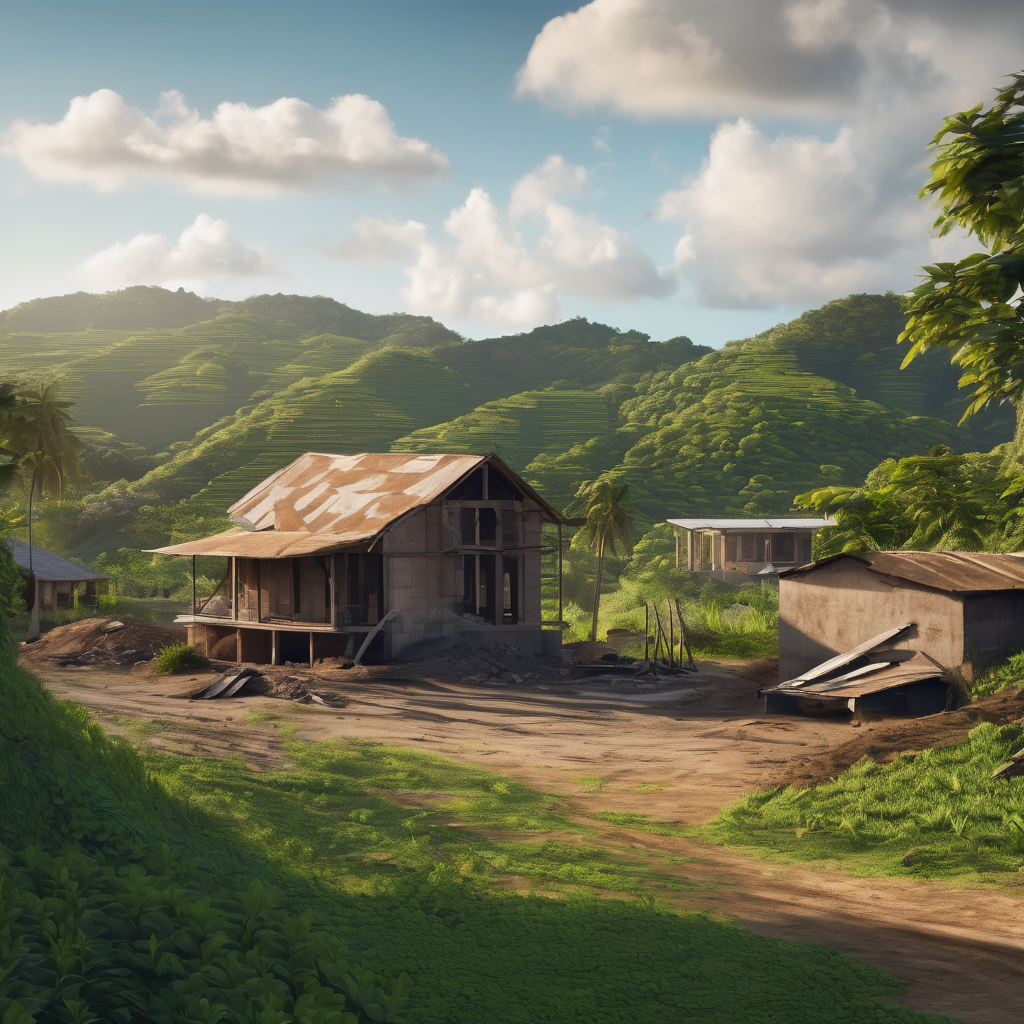
Housing projects around the nation are facing significant delays due to land disputes, overcrowding, and unresolved family issues, as highlighted by Minister Maciu Nalumisa. The complexities often arise in densely populated areas where tensions over land boundaries, access roads, and decreasing lot sizes are prevalent. Mr. Nalumisa pointed out that many housing projects are stalled for extended periods, with some on hold for nearly a decade due to these conflicts.
Residents frequently express concerns to the ministry about reductions in their land size or being compelled to share common driveways. In response, the ministry prioritizes resolution through dialogue to ensure resident satisfaction with the outcome of projects. “We do not want to complete a project only for people to later complain that it was not done properly or that they were not consulted,” Mr. Nalumisa stated, emphasizing the importance of early communication during the development process.
The minister also acknowledged that some disputes are more complex and can emerge later in the development, complicating timelines and project execution. He encouraged community members living in areas designated for new projects to raise their concerns as early as possible to avoid further delays.
Complicating the situation further are family disputes, including instances where siblings reside under one roof or landowners who are currently living abroad. “These are sensitive matters that must be addressed as part of the development process,” Mr. Nalumisa noted. He remarked that developments on occupied land present considerable hurdles for contractors and planners, who must design plans that respect the needs of all current residents.
In a positive development, the ministry is advancing with the creation of 44 iTaukei land sites across the country aimed at providing stable housing for families currently living in informal settlements. Minister Nalumisa reported that 48 informal settlement development sites have been identified, with significant efforts concentrated on upgrading the Vunika site in the North, which is expected to benefit 110 households and create 141 planned residential lots.
“This development will not only focus on constructing homes but also on cultivating safer, more organized communities,” Mr. Nalumisa explained. The vision is to create spaces that foster not just housing, but also safety, better accessibility, and enhanced community interaction. This proactive approach by the ministry indicates a commitment to addressing housing issues while facilitating community growth.