
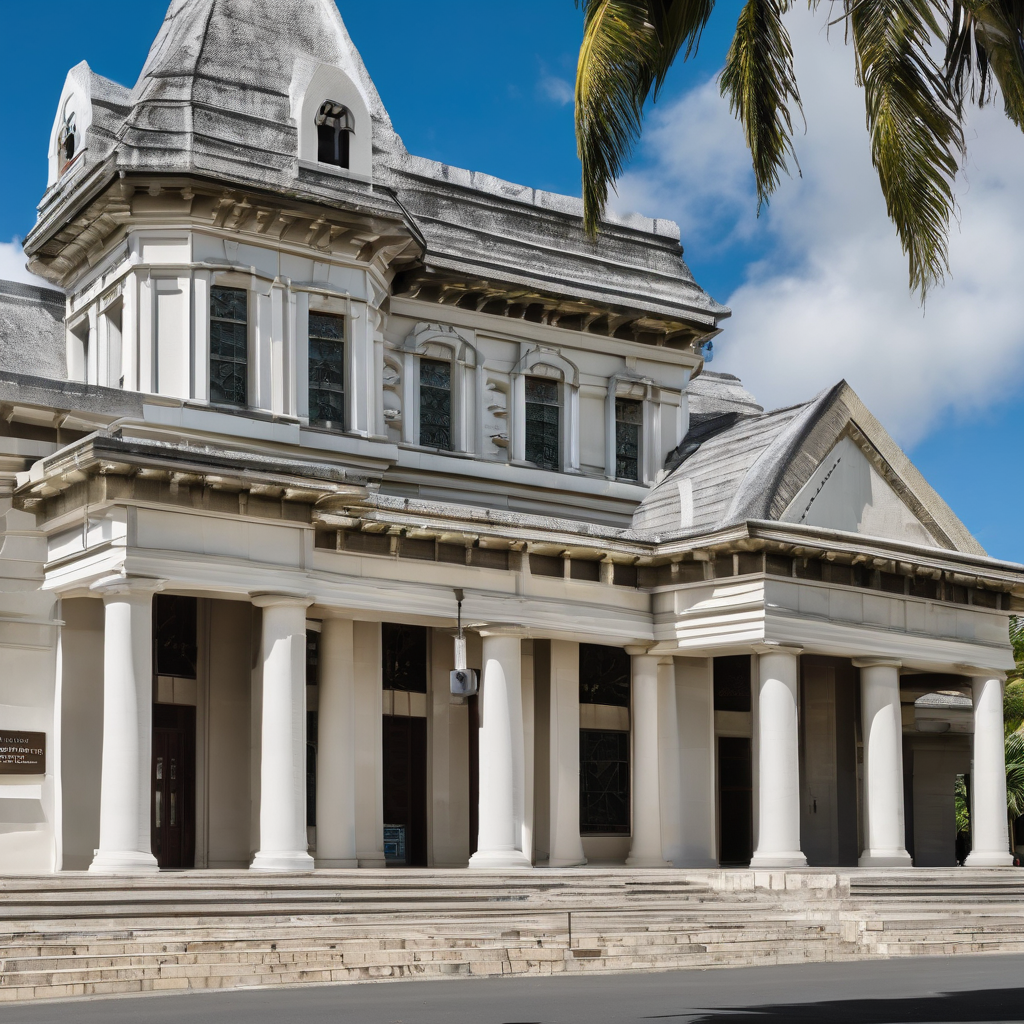
The Suva High Court is anticipated to issue its judgment this afternoon regarding the judicial review involving former FICAC Commissioner Barbara Malimali. This ruling aims to shed light on the scope of presidential authority and the necessary protocols for appointing or dismissing pivotal figures in the anti-corruption sector.
Last year, during the proceedings, Malimali’s attorney, Tanya Waqanika, argued that the process followed by Prime Minister Sitiveni Rabuka in revoking her client’s employment was deficient. She claimed that Malimali was denied natural justice when the Prime Minister instructed President Ratu Naiqama Lalabalavu to terminate her appointment as the FICAC Commissioner.
Waqanika further asserted that the findings of the Commission of Inquiry should have been presented to the Judicial Services Commission, which would then have led to the formation of a tribunal tasked with deliberating and advising the President on Malimali’s official capacity.
Additionally, her counsel contended that the FICAC Commissioner may only be dismissed on specific grounds such as incapacity or misconduct. The circumstances surrounding Malimali’s removal were likened to the protocols applicable to judges, emphasizing the need for a fair and defined process.
In her statements, Waqanika affirmed that, due to the failure to adhere to constitutional procedures, Malimali remains the legitimate FICAC Commissioner. The outcome of this judicial review is expected to have significant implications for the governance of anti-corruption institutions in Fiji, potentially reinforcing the importance of due process in public office appointments and removals. This situation presents a pivotal moment for accountability and governance standards in the country’s fight against corruption.