
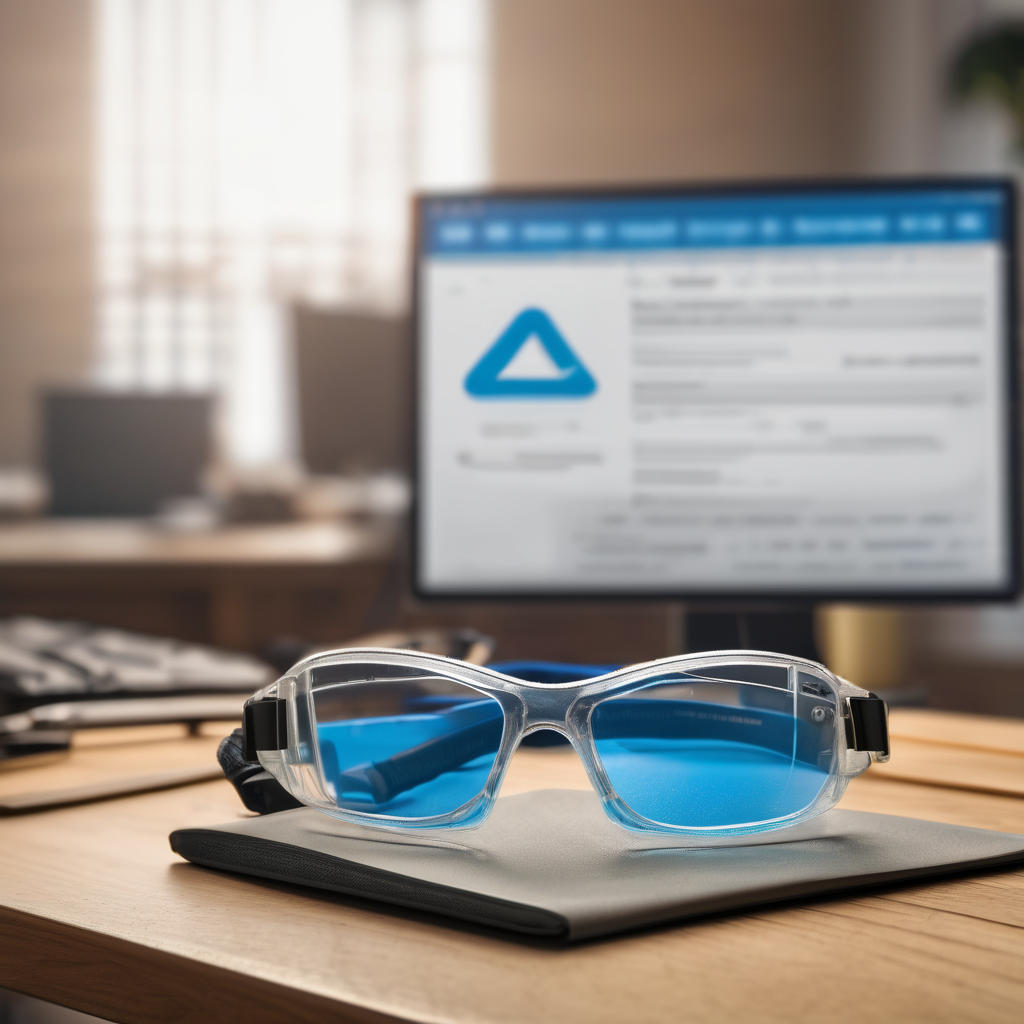
Eye safety is a vital yet often neglected aspect of workplace health across various environments, from corporate offices to industrial job sites. The delicate structure of the human eye makes it essential for workers to prioritize protection against potential hazards. Many eye injuries that occur in the workplace are preventable through the implementation of robust safety practices and heightened awareness.
In high-risk environments such as construction sites and manufacturing facilities, workers frequently encounter dangers like flying debris, dust, chemicals, sparks, and intense light from machinery. Without appropriate eye protection, these risks can lead to grave injuries ranging from cuts and burns to infections and even permanent vision loss. It is critical for workers to wear adequate personal protective equipment (PPE) including safety goggles, face shields, and helmets fitted with visors. Employers have a significant responsibility in ensuring that proper eye protection is available and that staff are trained on how to use it effectively.
Even in office settings, where risks may not seem as glaring, eye safety remains essential. Extended periods of screen time can result in digital eye strain, with symptoms such as dry eyes, headaches, blurred vision, and fatigue. Poor lighting, screen glare, and improper posture can aggravate these issues. Simple changes—such as adjusting screen brightness, maintaining an appropriate distance from monitors, using blue light glasses, and following the 20-20-20 rule (looking at something 20 feet away for 20 seconds every 20 minutes)—can make a significant difference in protecting eye health.
Workplaces such as laboratories and chemical handling areas also have inherent risks. Potential hazards include splashes of hazardous liquids and exposure to toxic fumes, which can lead to serious eye injuries. Consequently, it is crucial to have emergency eyewash stations readily accessible and to ensure that employees are trained in their use in case of an incident.
In specific regions like Fiji, the risk increases considerably for individuals working with metal tools or materials, as flying metal fragments can pose significant threats to eye safety. Even tiny particles can inflict severe pain, lead to infection, or cause lasting damage if not treated promptly. Workers in these situations are advised to wear appropriate protective eyewear, and immediate medical attention should be sought in the event of an eye injury.
Creating a culture of eye safety in the workplace is a shared responsibility. Employers need to cultivate a safe working environment by providing the necessary protective equipment and conducting regular safety training sessions. At the same time, employees must commit to following safety protocols and consistently wearing protective gear. By prioritizing eye safety, workplaces not only reduce the risk of injuries but also enhance overall productivity and foster the long-term health of their workforce.