
CORTINA D’AMPEZZO, Italy — As the Winter Olympics aimed for sustainability in the picturesque Italian Alps, doubts have emerged about whether these promises are being kept. In the heart of Cortina d’Ampezzo, a striking sculpture of a lady with a Dior handbag and skis reflects the area’s allure to the wealthy but also serves as a metaphor for the environmental challenges facing this breathtaking region. Visitors who touch the translucent figure soon discover it is made of plastic, highlighting issues of artificiality amidst the natural beauty.
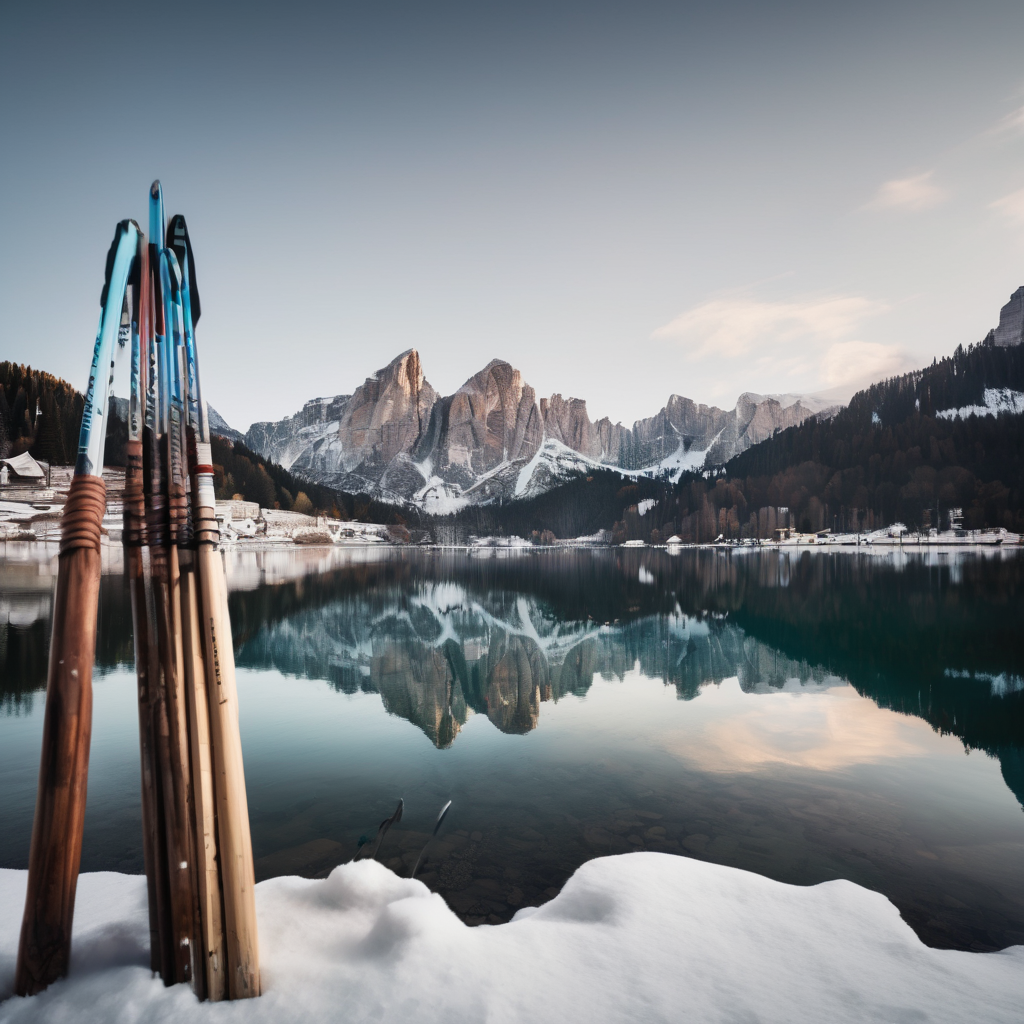
Organizers of the 2026 Winter Olympics in Milan and the Dolomites — a UNESCO World Heritage Site — pledged to prioritize sustainability and highlight the protection of fragile mountain ecosystems. However, as the Games’ opening ceremony nears, critics argue that the commitment to preserving the environment is faltering. They point to significant deforestation for new infrastructures and the depletion of Alpine rivers for artificial snow production. The rapid urbanization in high-stress environments already burdened by overtourism has raised alarms among environmentalists.
Luigi Casanova, director of the local environmental group Mountain Wilderness, voiced his concerns, noting the destructive impact of construction projects on ancient forests. “Cortina is known as the Queen of the Dolomites, but we should rename her the ‘Queen of Cement,’” he stated, observing the numerous cranes populating the landscape amidst the remnants of a once-thriving ecosystem. The new bobsled track, for instance, has already led to the destruction of hundreds of larch trees that survived two world wars.
Highlighting the urgent contrast, Casanova recounted an emotional incident where a famous cellist played melodies while the sounds of chainsaws echoed behind him, symbolizing the conflict between cultural heritage and ecological destruction. This sentiment echoed across various community and environmental groups, including the Italian branch of the WWF, which stated there is “no evidence to certify the environmental sustainability” of the ongoing projects.
The need for water for snowmaking is immense, estimated at 84.8 million cubic feet, equivalent to 380 Olympic swimming pools, with sources drawn from local rivers. Activist Fabio Tullio demonstrated the current state of the area, where construction debris lies scattered, and machinery disrupts the serene Alpine ambiance.
Despite the Games utilizing existing venues, the scale of new construction triggered by Olympic preparations is alarming to residents and environmental advocates alike. Local council opposition leader Roberta Zanna voiced the community’s concerns, fearing that new developments could irreversibly alter their identity and damage the natural environment they cherish.
The current situation stands in stark contrast to the 1956 Winter Olympics hosted in Cortina, which brought economic benefits without the extensive infrastructural developments seen today. In those days, snow came naturally, and transportation occurred predominantly by train, showcasing a more harmonious relationship with the environment.
As climate change continues to threaten the seasonality and viability of winter sports in Cortina, many, including Zanna, believe that further construction is ill-timed amidst ecological uncertainty. The ongoing developments raise significant questions about the legacy of these Winter Olympics and the balance between tourism and environmental preservation in the stunning Dolomites.