
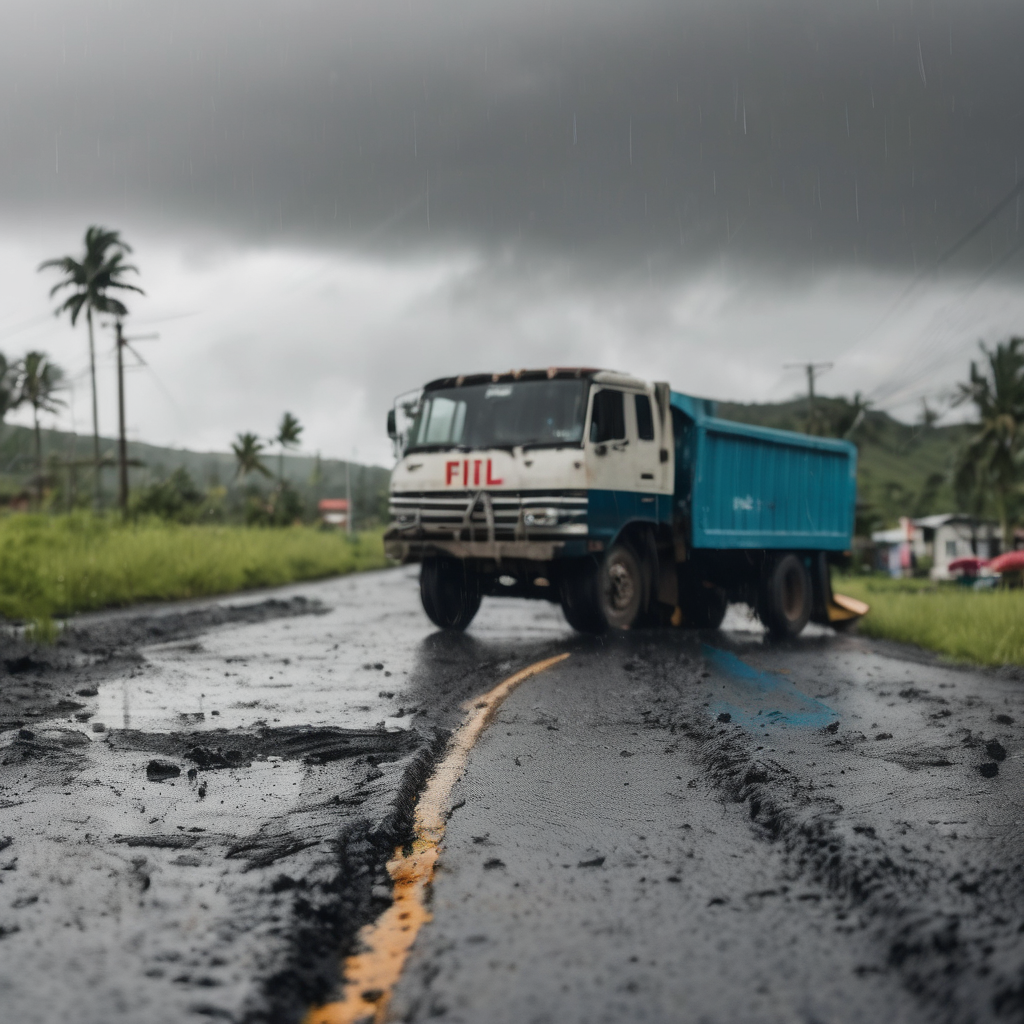
Truck accidents during heavy rain in California often stem from negligence rather than the weather itself. When truck drivers fail to slow down or maintain their vehicles properly, the consequences can be catastrophic for other motorists. Claims for these accidents typically depend on evidence, including the truck’s speed, spacing from other vehicles, maintenance records, and timely proof before conditions change.
California law mandates that truck drivers adjust their speeds based on weather conditions, traffic, and road conditions. Safe driving during storms requires drivers to slow down, maintain control, and adhere to safety regulations. Ignoring these protocols can result in the driver or trucking company being held liable for any resulting accidents.
Heavy rainfall can significantly impair visibility and traction on busy California routes, such as I-5, Highway 99, and areas like Tejon Pass. Drivers must demonstrate the appropriate level of care by reducing their speed and increasing following distance. In scenarios where careless driving leads to incidents, injured parties may seek compensation through insurance claims or lawsuits.
Federal regulations provided by the Federal Motor Carrier Safety Administration (FMCSA) outline the necessary precautions for commercial trucks in adverse weather conditions. These guidelines emphasize the need for sound judgment, reduced speed, and proper equipment use during heavy rain. Each driver is expected to assess road and visibility conditions and make informed decisions. If rain compromises the ability to drive safely, drivers should respond by slowing down or taking shelter until conditions improve.
The trucking industry adheres to standards that require increased caution in hazardous weather. For example, a truck’s stopping distance becomes substantially longer on wet roads, necessitating slower speeds to avoid hydroplaning or skidding. Investigators will often analyze the truck’s speed data, driver logs, and maintenance records to assess whether the driver complied with safety protocols in storm conditions.
Negligence can take many forms, such as driving too quickly for road conditions or following too closely in adverse weather. The responsibility for an accident does not simply lie in the weather conditions; it includes an examination of driver behavior and decisions made on the road.
Insurance companies often attempt to frame accidents in heavy rain as unavoidable, shifting focus away from the driver’s actions. An effective claim must emphasize whether the driver behaved responsibly, maintained proper distance, and adhered to legal safety standards.
Truck accidents can lead to severe injuries, given the substantial weight of commercial vehicles. Victims may face traumatic brain injuries, spinal cord injuries, fractures, and various internal injuries, with repercussions that can extend for years.
The issue of corporate liability also arises in truck accidents. Companies can be held accountable if their policies prioritize speed over safety or if their drivers lack proper training. Investigators may scrutinize company practices and logs to assess if the driver was pressured into unsafe driving.
In addition, there may be multiple parties responsible for a truck accident. This can include independent drivers, agricultural companies utilizing large trucks, or even manufacturers if mechanical failures are involved.
Understanding how heavy rain impacts truck accident claims can be crucial, and many individuals seek legal advice to navigate these complex situations. Compensation is primarily determined by the driver’s negligence rather than the inclement weather, and those injured in these crashes are encouraged to document evidence and seek legal counsel promptly.
California truck accident lawyers can provide guidance in these situations, ensuring victims understand their rights while seeking compensation for medical bills, lost income, and additional losses due to the accident. It’s essential to react quickly and preserve all pertinent documentation to support any legal claims.