
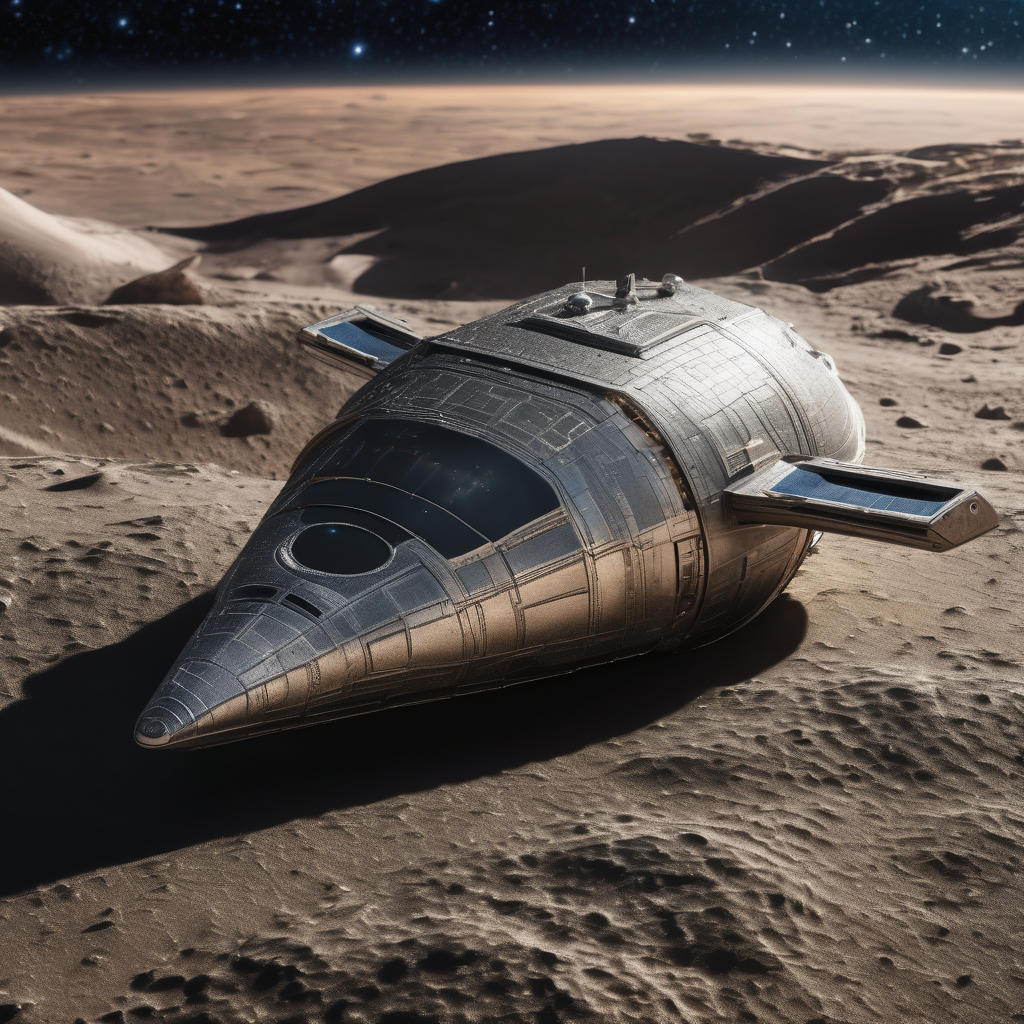
NASA is poised to resume lunar exploration with its upcoming Artemis 2 mission, set for 2026, which will see the first crewed flight to the moon in over fifty years. This significant mission will carry astronauts Reid Wiseman, Victor Glover, Christina Koch, and Canadian Space Agency astronaut Jeremy Hansen aboard the Orion spacecraft for a ten-day journey around the moon.
This mission follows the successful uncrewed Artemis 1 launch in November 2022, which tested the capabilities of the Orion spacecraft and the Space Launch System (SLS) rocket. Originally, NASA aimed to launch Artemis 2 in 2023, but setbacks, including damage to the Orion heat shield during reentry, shifted timelines. The Artemis program is part of a broader initiative to establish a sustainable human presence on the moon, paving the way for potential missions to Mars.
While the focus has been on when astronauts will set foot on lunar soil, discussions about competition in space have intensified, particularly with China’s ambitions for lunar exploration. The Chinese space program is advancing rapidly, with plans to establish a presence on the moon’s southern polar region, where water ice may be abundant. This has raised concerns among U.S. lawmakers and space industry leaders, who emphasize the importance of maintaining America’s leadership in space exploration.
Critics have scrutinized the Artemis program’s reliance on SpaceX’s Starship for landing astronauts on the moon, questioning the timeline and reliability of the vehicle. There is ongoing discourse regarding the potential reopening of NASA’s Human Landing Services contract to other bidders, including Blue Origin, in response to delays in Starship’s development.
As the Artemis 2 mission approaches, the crew has undergone rigorous training, intensifying over the past year. Their journey will include not only a historic flight but also scientific research involving in-flight data collection to study human health beyond low Earth orbit, marking the first extensive biomedical study in space since the Apollo missions.
Notably, should Artemis 2 succeed, it will set the record for the furthest distance traveled from Earth by humans since Apollo 13. The mission highlights progress toward gender and racial diversity in space exploration, as Koch and Glover will become the first woman and first person of color to fly to the moon.
With the Orion spacecraft expected to embark on its journey around February 5, 2026, both NASA and the Artemis crew are poised to make history by reigniting human exploration of space, while also reminding the world of America’s capabilities in pushing the boundaries of exploration in our solar system.